
Introduction to Unusual Flavors
Introduction to Unusual Flavors
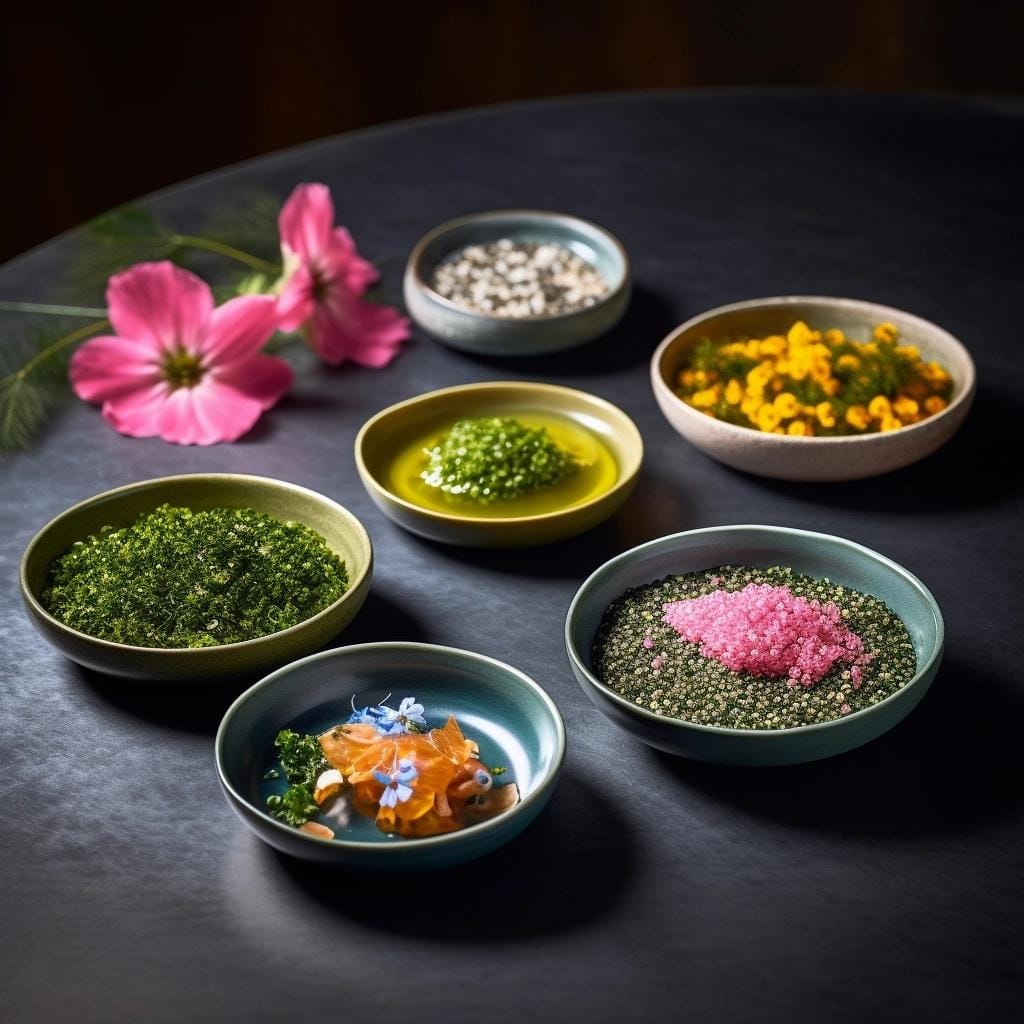
Are you tired of the same old flavors in your cooking? Do you want to add some excitement and adventure to your meals? Look no further than the world of unusual flavors. These unique ingredients can add a new dimension to your dishes and take your taste buds on a journey.
From the floral notes of elderflower to the superfood status of chia seeds and the nutritional powerhouse of spirulina, there are endless possibilities for incorporating unusual flavors into your cooking. Not only do these ingredients add flavor, but they also bring a range of health benefits to your meals.
While some of these flavors may seem intimidating or unfamiliar, don't be afraid to experiment and try something new. You never know what delicious creations you may discover.
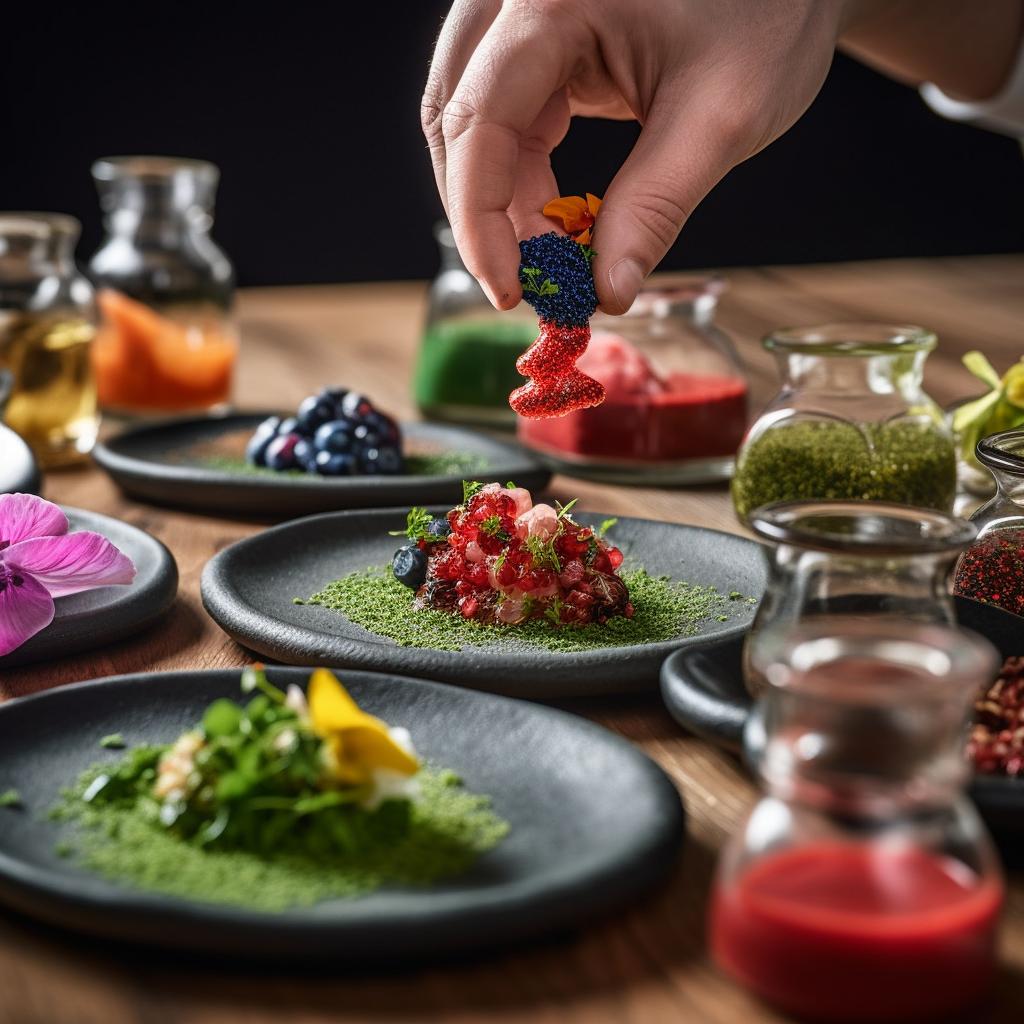
In this post, we'll dive into the world of elderflower, chia seeds, and spirulina, exploring their unique flavors and benefits. We'll also provide some recipes and tips for incorporating these unusual flavors into your cooking. So, let's embrace the unusual and discover new flavors together.
Elderflower: A Floral Twist to Your Dishes
Chia Seeds: The Superfood That Adds Texture and Flavor
Spirulina: The Blue-Green Algae That Packs a Nutritional Punch
Spirulina is a blue-green algae that has been consumed for centuries due to its high nutritional value. It is rich in protein, vitamins, and minerals, making it a popular dietary supplement for those looking to boost their health. But did you know that spirulina can also be used in cooking to add a unique flavor and vibrant color to your dishes?
Spirulina has a slightly salty and earthy taste, which makes it a great addition to savory dishes like soups, stews, and sauces. It can also be used to add a pop of color to smoothies, juices, and desserts. One of the most popular ways to use spirulina is by adding it to homemade energy bars or protein balls for a healthy snack.
Aside from its nutritional benefits, spirulina is also known for its detoxifying properties. It helps to remove toxins from the body and boost the immune system. This makes it a great ingredient to incorporate into your diet, especially during cold and flu season.
When using spirulina in your cooking, it's important to start with a small amount and gradually increase as you become accustomed to the flavor. Too much spirulina can overpower a dish and leave a bitter aftertaste. It's also important to source high-quality spirulina from a reputable supplier to ensure that it is free from contaminants.
Incorporating spirulina into your cooking is a great way to add a nutritional boost and unique flavor to your dishes. So why not give it a try and see how this blue-green algae can transform your meals?
Recipes to Try with Elderflower, Chia Seeds, and Spirulina
Recipes to Try with Elderflower, Chia Seeds, and Spirulina
If you're looking to add some excitement to your cooking, incorporating unusual flavors like elderflower, chia seeds, and spirulina can be a great place to start. Here are a few recipes to get you started:
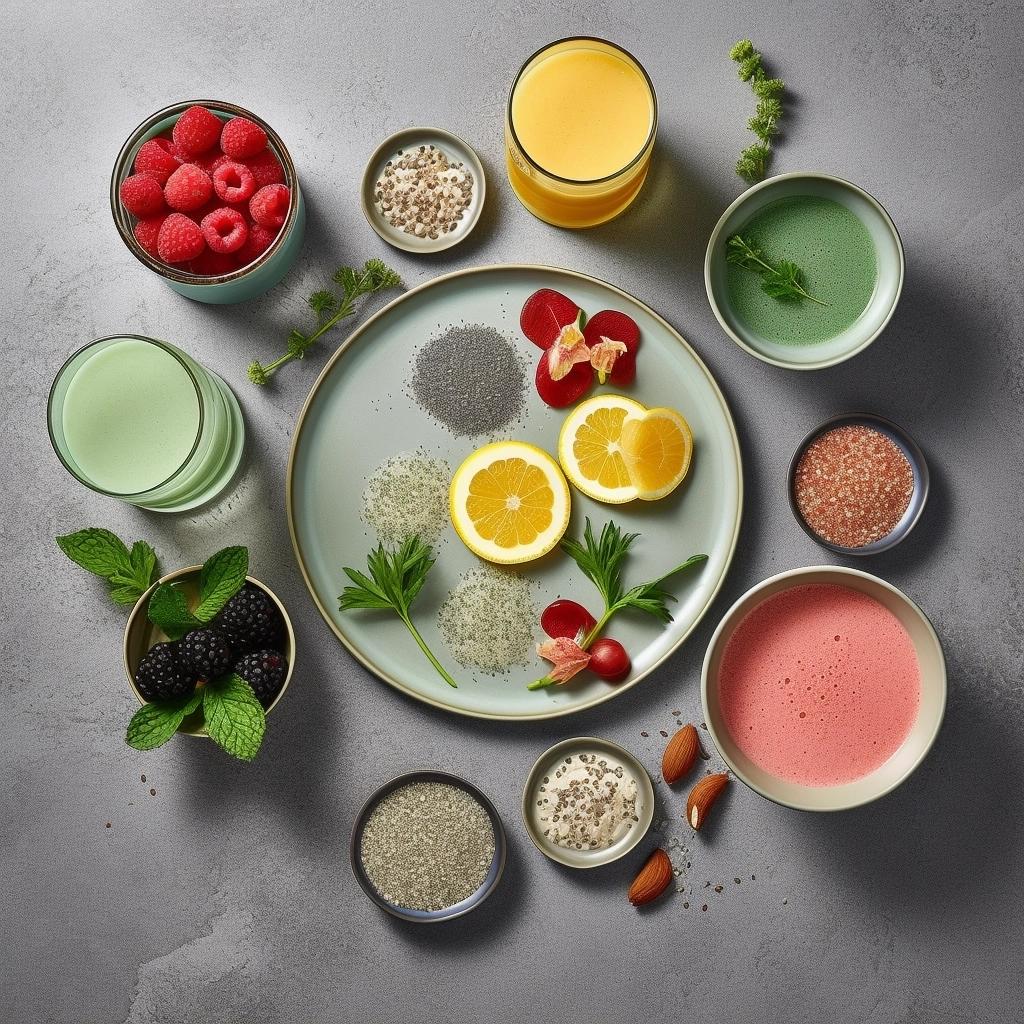
Elderflower Lemonade: This refreshing drink is perfect for a hot summer day. Mix together 1 cup of fresh lemon juice, 1 cup of elderflower syrup, and 4 cups of water. Serve over ice and garnish with a sprig of fresh mint.
Chia Seed Pudding: Chia seeds are a great way to add texture and flavor to your dishes. To make chia seed pudding, mix together 1 cup of coconut milk, 1/4 cup of chia seeds, and 1 tablespoon of honey. Let the mixture sit in the fridge for at least 2 hours, or overnight. Serve with fresh fruit and a sprinkle of cinnamon.
Spirulina Smoothie: Spirulina is a blue-green algae that is packed with nutrients. To make a spirulina smoothie, blend together 1 banana, 1 cup of frozen berries, 1 tablespoon of spirulina powder, and 1 cup of almond milk. Add honey or maple syrup to taste.
These are just a few examples of the many ways you can incorporate unusual flavors into your cooking. Don't be afraid to experiment and try new things. Who knows, you might just discover your new favorite ingredient!
Tips for Incorporating Unusual Flavors into Your Cooking
Tips for Incorporating Unusual Flavors into Your Cooking
Using unusual flavors in your cooking can be intimidating, but it can also be a fun and exciting way to experiment with new tastes and textures. Here are some tips to help you incorporate elderflower, chia seeds, and spirulina into your dishes:
1. Start small: When using unusual flavors, it's best to start with small amounts and gradually increase the quantity as you become more comfortable with the taste. This will help you avoid overpowering your dish with a flavor that you may not be used to.
2. Pair with complementary flavors: Unusual flavors can be enhanced by pairing them with complementary flavors. For example, elderflower has a floral and slightly sweet taste that pairs well with citrus fruits like lemon and lime. Chia seeds have a nutty flavor that can be paired with sweet or savory dishes. Spirulina has a slightly earthy taste that can be balanced with sweet fruits like bananas or mangoes.
3. Experiment with different textures: Unusual flavors can also add interesting textures to your dishes. Chia seeds, for example, can be used to add a crunchy texture to smoothies or yogurt bowls. Spirulina can be added to smoothies or sauces to create a creamy texture.
4. Use in unexpected ways: Don't be afraid to think outside the box when using unusual flavors. Elderflower, for example, can be used to make a refreshing summer drink or added to a salad dressing for a unique twist. Chia seeds can be used to make a vegan egg substitute or added to homemade granola bars.
5. Have fun with it: Cooking with unusual flavors should be a fun and creative experience. Don't be afraid to experiment and try new things. Who knows, you may discover a new favorite ingredient!
By following these tips, you can incorporate elderflower, chia seeds, and spirulina into your cooking and discover new and exciting flavors. So, go ahead, embrace the unusual, and let your taste buds take you on a culinary adventure!


No comments yet. Be the first to share your thoughts!