
5 Exotic Dragon Fruits Taking Social Media by Storm: Complete Guide to Buying, Preparing, and Cooking - Part 1
Dragon fruit has evolved from an exotic curiosity to a social media sensation, with its vibrant colors and Instagram-worthy appearance driving unprecedented demand. The global dragon fruit market, valued at USD 680 million in 2024, is projected to reach USD 1.02 billion by 2034, expanding at a remarkable 6.9% CAGR. This surge isn't just about aesthetics—dragon fruit offers exceptional nutritional benefits that align perfectly with today's health-conscious consumer trends.
The Dragon Fruit Revolution: Why These Exotic Varieties Are Trending
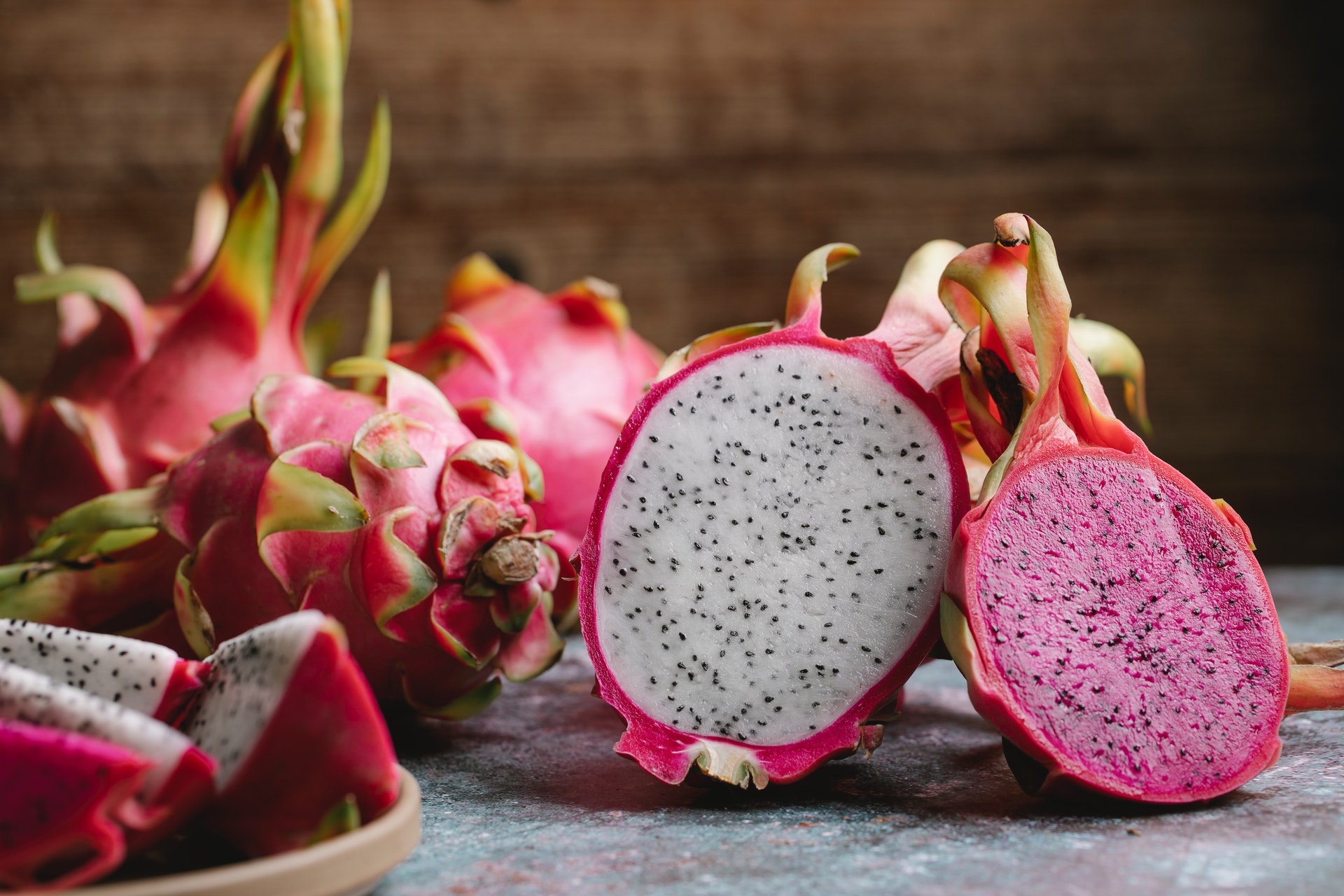
Social media platforms have transformed how we discover and consume exotic fruits. Dragon fruit, or pitaya, has become the poster child for this phenomenon. Its striking appearance—ranging from bright pink exteriors with green scales to pure white flesh dotted with tiny black seeds—creates the perfect backdrop for viral content. Food influencers and health enthusiasts have embraced these fruits not just for their photogenic qualities, but for their impressive nutritional profile.
Rich in vitamin C, antioxidants, and fiber while being naturally low in calories, dragon fruit varieties offer different flavor profiles that range from subtly sweet to mildly tart. The growing availability of exotic varieties has opened new culinary possibilities, making these fruits accessible to home cooks eager to experiment with trending ingredients.
Content is being updated. Check back soon.
Meet the 5 Exotic Dragon Fruit Varieties Taking Over Your Feed
1. Red Dragon Fruit (Hylocereus costaricensis)
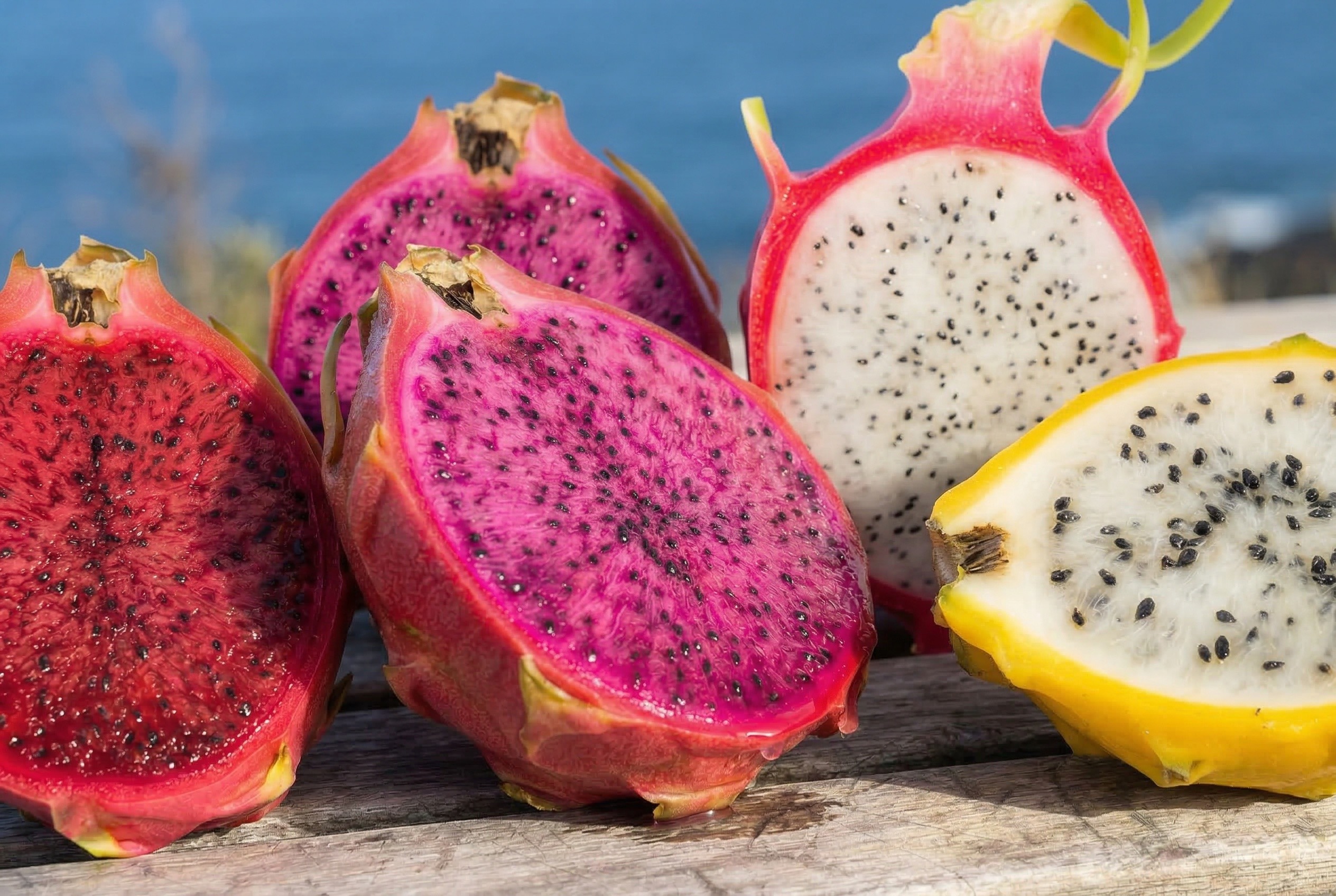
The most visually striking variety, red dragon fruit features a vibrant magenta exterior and deep red flesh. This variety has gained massive traction on social media due to its dramatic color that doesn't fade when cut, making it perfect for smoothie bowls and colorful fruit arrangements. The flavor is notably sweeter than its white-fleshed counterparts, with hints of berry undertones.
2. Yellow Dragon Fruit (Selenicereus megalanthus)
Often considered the premium variety, yellow dragon fruit boasts a sunny exterior with white flesh and the sweetest flavor profile of all dragon fruit types. Its smaller size and thorny exterior make it less common in mainstream markets, but social media has driven demand for this "golden pitaya" among fruit enthusiasts seeking unique flavors.
3. White Dragon Fruit (Hylocereus undatus)
The most widely available variety, white dragon fruit serves as many people's introduction to this exotic fruit family. Its mild, refreshing taste and striking contrast between pink skin and white flesh make it incredibly versatile for both sweet and savory applications.
4. Pink Dragon Fruit (Hylocereus polyrhizus)
A hybrid variety that combines the visual appeal of red dragon fruit with a more subtle flavor profile. The pink flesh creates beautiful gradients when sliced, making it particularly popular for food styling and photography.
5. Purple Dragon Fruit (Rare Variety)
The rarest and most sought-after variety, purple dragon fruit features deep purple flesh that creates stunning visual contrast. Limited availability has made it a coveted ingredient among food bloggers and exotic fruit collectors.
Essential Guide to Selecting and Storing Dragon Fruit
Choosing the perfect dragon fruit requires understanding the subtle indicators of ripeness and quality. Unlike many fruits, dragon fruit doesn't continue ripening after harvest, making proper selection crucial for optimal flavor and texture.
Where to Source These Exotic Varieties
While white dragon fruit has become increasingly available in mainstream grocery stores, exotic varieties often require specialized sourcing. Asian markets, specialty produce stores, and online retailers have become primary sources for rare varieties. The growing demand has also led to increased domestic cultivation in states like California and Florida.
Exotic Dragon Fruit Varieties: Characteristics and Market Data
| Variety | Origin | Flesh Color | Average Price per lb | Peak Season |
|---|---|---|---|---|
| Yellow Dragon Fruit (Selenicereus megalanthus) | Colombia/Ecuador | White with black seeds | $8.99-$12.99 | June-November |
| Red Dragon Fruit (Hylocereus costaricensis) | Central America | Deep magenta | $6.99-$9.99 | July-December |
| White Dragon Fruit (Hylocereus undatus) | Mexico/Vietnam | White with black seeds | $4.99-$7.99 | May-October |
| Pink Dragon Fruit (Hylocereus polyrhizus) | Malaysia/Thailand | Pink-purple | $7.99-$10.99 | June-September |
| Sweet Dragon Fruit (Hylocereus guatemalensis) | Guatemala | White with large seeds | $9.99-$13.99 | August-January |
| Purple Haze Dragon Fruit | California (hybrid) | Purple-pink | $11.99-$15.99 | September-December |
Understanding seasonal availability and storage requirements becomes essential when investing in these exotic varieties. Proper handling can extend shelf life and maintain the fruit's signature texture and flavor profiles that have made them social media darlings.
In Part 2 of this guide, we'll dive deep into preparation techniques, showcase a show-stopping dragon fruit recipe, and explore creative cooking applications that will elevate your culinary repertoire while creating Instagram-worthy presentations.
Advanced Dragon Fruit Preparation Techniques
Mastering dragon fruit preparation goes beyond simple slicing. Professional chefs and food enthusiasts have developed sophisticated techniques that maximize both visual appeal and flavor potential. The key lies in understanding the fruit's unique texture and how different varieties respond to various preparation methods.

White-fleshed dragon fruit requires gentle handling to preserve its delicate texture, while red-fleshed varieties can withstand more aggressive preparation. Yellow dragon fruit, with its sweeter profile, benefits from techniques that highlight its natural sugars. Each variety demands specific approaches to unlock their full culinary potential.
Step-by-Step Dragon Fruit Preparation Guide
Follow this comprehensive preparation method used by top culinary professionals to achieve restaurant-quality results at home.
Trending Dragon Fruit Recipe: Viral Pitaya Smoothie Bowl
This Instagram-famous smoothie bowl has garnered over 2 million views across social platforms, combining the visual appeal of dragon fruit with superfood nutrition. The recipe capitalizes on dragon fruit's natural photogenic qualities while delivering exceptional taste and health benefits.
The success of this recipe lies in its balance of flavors and textures. The frozen dragon fruit creates a thick, ice-cream-like base, while fresh toppings add contrasting textures that photograph beautifully under natural lighting.
Social Media Impact and Cooking Trends
Dragon fruit's rise on social media platforms has fundamentally changed how consumers approach exotic fruits. TikTok alone features over 500 million dragon fruit-related videos, with cooking content leading engagement metrics. Food influencers have transformed dragon fruit from a specialty item into a mainstream ingredient.
The fruit's photogenic qualities make it ideal for social media content, but its versatility in both sweet and savory applications has surprised many home cooks. Professional chefs now incorporate dragon fruit into everything from cocktails to main courses, expanding its culinary applications beyond traditional fruit salads.
Essential Tools for Dragon Fruit Success
Proper tools significantly impact your dragon fruit preparation experience. A high-quality knife designed for delicate fruits ensures clean cuts without damaging the flesh, while specialized serving tools help create professional presentations.
Investment in proper tools pays dividends in both preparation efficiency and final presentation quality. Professional-grade equipment allows home cooks to achieve restaurant-level results consistently.
Storage and Preservation Techniques
Proper storage extends dragon fruit's usability and maintains its nutritional value. Whole fruits should be stored at room temperature until ripe, then refrigerated for up to one week. Cut dragon fruit requires immediate refrigeration and should be consumed within 2-3 days for optimal quality.
Freezing dragon fruit changes its texture but makes it perfect for smoothies and frozen desserts. The fruit's high water content means it becomes softer after thawing, making it unsuitable for fresh applications but excellent for blended preparations.
Understanding these storage principles ensures you can enjoy dragon fruit at peak quality while minimizing waste. As dragon fruit continues trending throughout 2024, mastering these fundamental techniques positions you to fully capitalize on this exotic fruit phenomenon.

No comments yet. Be the first to share your thoughts!