
Why exotic fruits matter now
The modern dessert landscape is shifting away from standard vanilla and chocolate profiles toward ingredients that offer distinct sensory experiences. Chefs and home bakers alike are turning to exotic fruits not just for novelty, but for their ability to replace traditional structural and flavor components in high-end baking. These fruits bring unique textures and complex acidity that challenge conventional recipes, creating desserts that are as visually striking as they are flavorful.
This trend is driven by a desire for authenticity and novelty. Ingredients like dragon fruit, jackfruit, papaya, mango, passion fruit, and cherimoya are no longer confined to tropical regions; they are becoming staples in professional kitchens worldwide. Their natural sweetness and vibrant colors allow for fewer artificial additives, aligning with the clean-label movement while delivering bold taste profiles that standard fruits cannot match.

The integration of these fruits often involves reimagining classic techniques. For instance, jackfruit’s fibrous texture mimics shredded meat, making it a surprising yet effective base for savory-sweet fillings. Passion fruit’s intense tartness cuts through rich creams, offering a palate-cleansing contrast that balances heavy desserts. This shift represents more than a passing fad; it reflects a broader culinary evolution where global flavors are reshaping the boundaries of what a dessert can be.
5 Rare Exotic Fruits Transforming Global Desserts
These five exotic fruits are moving beyond novelty status to redefine the architecture of modern pastry. Each selection offers a distinct sensory profile, from unexpected textures to bold flavor notes, that elevates classic dessert techniques.
-
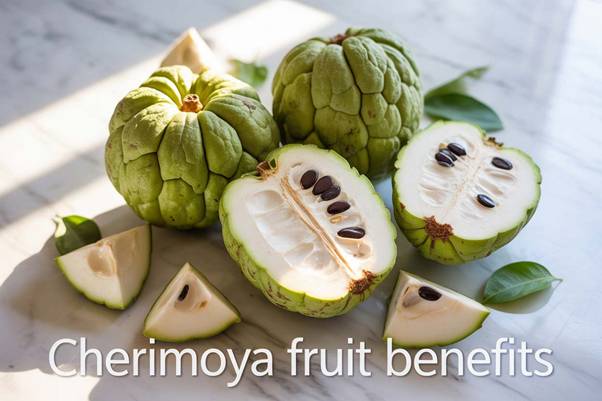
Cherimoya custard in chocolate mousse
Cherimoya’s creamy, banana-strawberry hybrid flesh melts into a silkier base than standard custard. Folded into dark chocolate mousse, it softens the cocoa’s bitterness while adding a tropical floral note. The result is a dessert that feels indulgent yet lighter, offering a complex flavor profile that elevates simple chocolate into something exotic and sophisticated for the modern palate. -

Granadilla passion tart filling
Granadilla offers a milder, honeyed sweetness compared to intense passion fruit, making it ideal for delicate tart fillings. Its translucent, gelatinous seeds provide a pleasant crunch against a smooth, pale yellow curd. This balance prevents the tart from becoming overwhelmingly sour, creating a refined, elegant centerpiece that highlights the fruit’s subtle floral undertones without masking the pastry’s buttery crust. -
Dragon fruit layered pavlova
Vibrant dragon fruit adds striking visual contrast to airy pavlova meringues. Its mild, kiwi-like flavor does not overpower the crisp shell, allowing the whipped cream and other berries to shine. Sliced into thin, vivid pink or white layers, it creates a stunning geometric pattern that turns a classic dessert into a show-stopping visual experience, perfect for summer gatherings and celebrations. -
Kiwano seed gel sorbet
Kiwano’s jelly-like seeds and acidic green flesh transform into a refreshing, visually unique sorbet. The tiny, edible seeds add a surprising textural crunch that contrasts with the smooth, icy base. With a flavor profile akin to cucumber and lime, this sorbet offers a light, palate-cleansing finish that pairs exceptionally well with rich, heavy cakes or spicy curry-inspired dessert courses. -
Mangosteen syrup panna cotta
Mangosteen syrup brings a delicate, peach-apricot sweetness to creamy panna cotta. Its subtle floral notes complement the dairy’s richness without the cloying intensity of tropical syrups. The pale purple hue of the syrup creates a beautiful marbled effect when swirled into the white custard, offering a sophisticated, understated flavor that feels both exotic and comforting in every spoonful.

Where to buy rare exotic fruits
Sourcing these ingredients requires navigating specialty markets. Look for high-end grocers, Asian markets, or online specialty retailers that focus on fresh produce. When purchasing, prioritize fruits that are ripe but firm to ensure they hold up during preparation. For fruits like cherimoya and mangosteen, check for slight give in the skin or a fragrant aroma, indicating peak sweetness.
Common questions about exotic fruits
Getting these rare ingredients right makes the difference between a good dessert and a great one. Here are the most practical answers to common questions about ripeness, storage, and flavor.

No comments yet. Be the first to share your thoughts!