
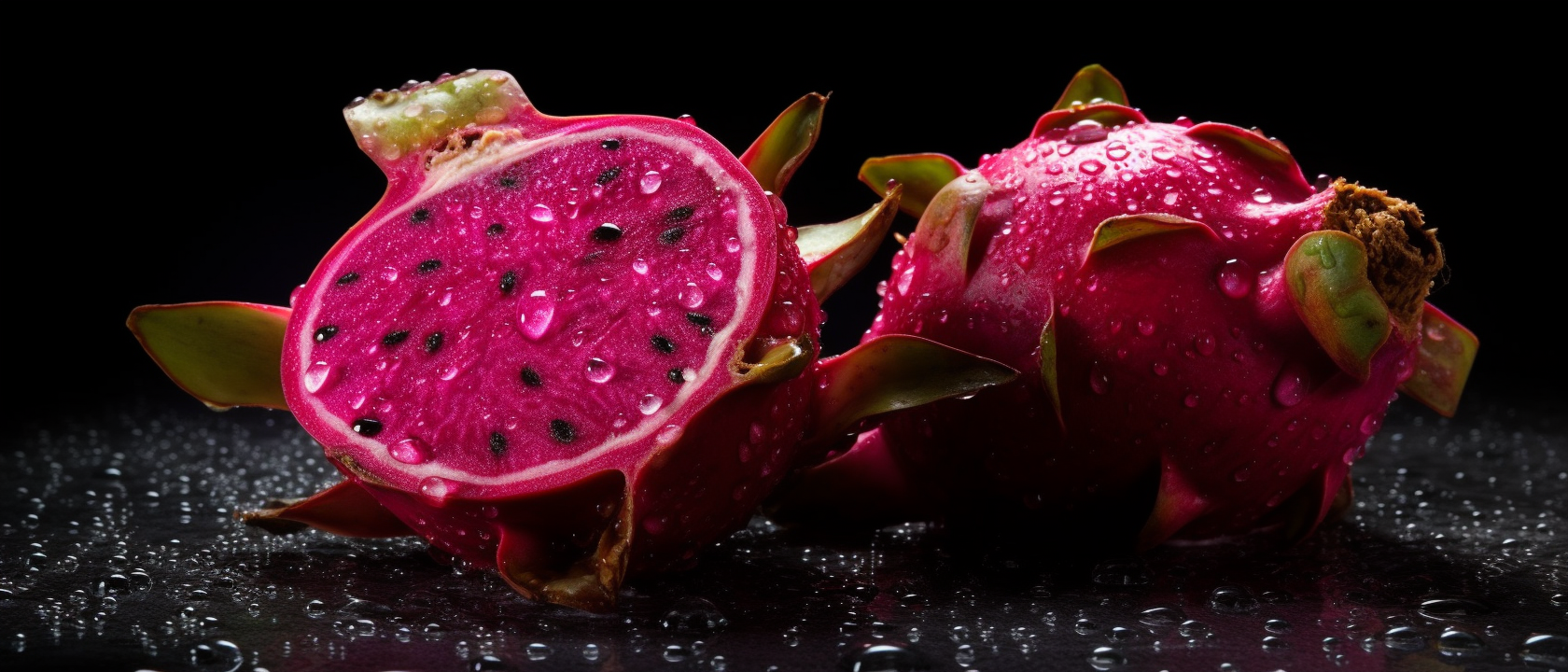
7 Exotic Dragon Fruits Taking Social Media by Storm: Complete Guide to Buying, Preparing, and Enjoying These Colorful Superfruits - Part 1
Dragon fruit has exploded across Instagram feeds and TikTok videos, transforming from an obscure tropical curiosity into one of the most photographed and sought-after exotic fruits in the world. These vibrant, otherworldly-looking superfruits are not just Instagram-worthy – they're packed with nutrients, antioxidants, and unique flavors that are revolutionizing the way we think about tropical fruit consumption.
The Dragon Fruit Social Media Phenomenon
The rise of dragon fruit on social media platforms has been nothing short of meteoric. Food influencers and health enthusiasts have embraced these colorful superfruits for their photogenic qualities and impressive nutritional profiles. The fruit's striking appearance – with its scaly exterior and jewel-toned flesh dotted with tiny black seeds – creates the perfect backdrop for viral content, leading to millions of posts tagged with dragon fruit-related hashtags.
Beyond their visual appeal, dragon fruits offer substantial health benefits that align perfectly with current wellness trends. Rich in vitamin C, iron, magnesium, and antioxidants, these exotic fruits support immune function, promote healthy skin, and may help regulate blood sugar levels. The high fiber content also supports digestive health, making dragon fruit an ideal addition to smoothie bowls, fruit salads, and healthy snack routines.

Meet the 7 Most Popular Dragon Fruit Varieties
While many people are familiar with the classic pink-skinned, white-fleshed dragon fruit, the world of pitaya extends far beyond this single variety. Each type offers distinct flavors, textures, and visual characteristics that have captured the attention of fruit enthusiasts worldwide.
1. White-Fleshed Dragon Fruit (Hylocereus undatus)
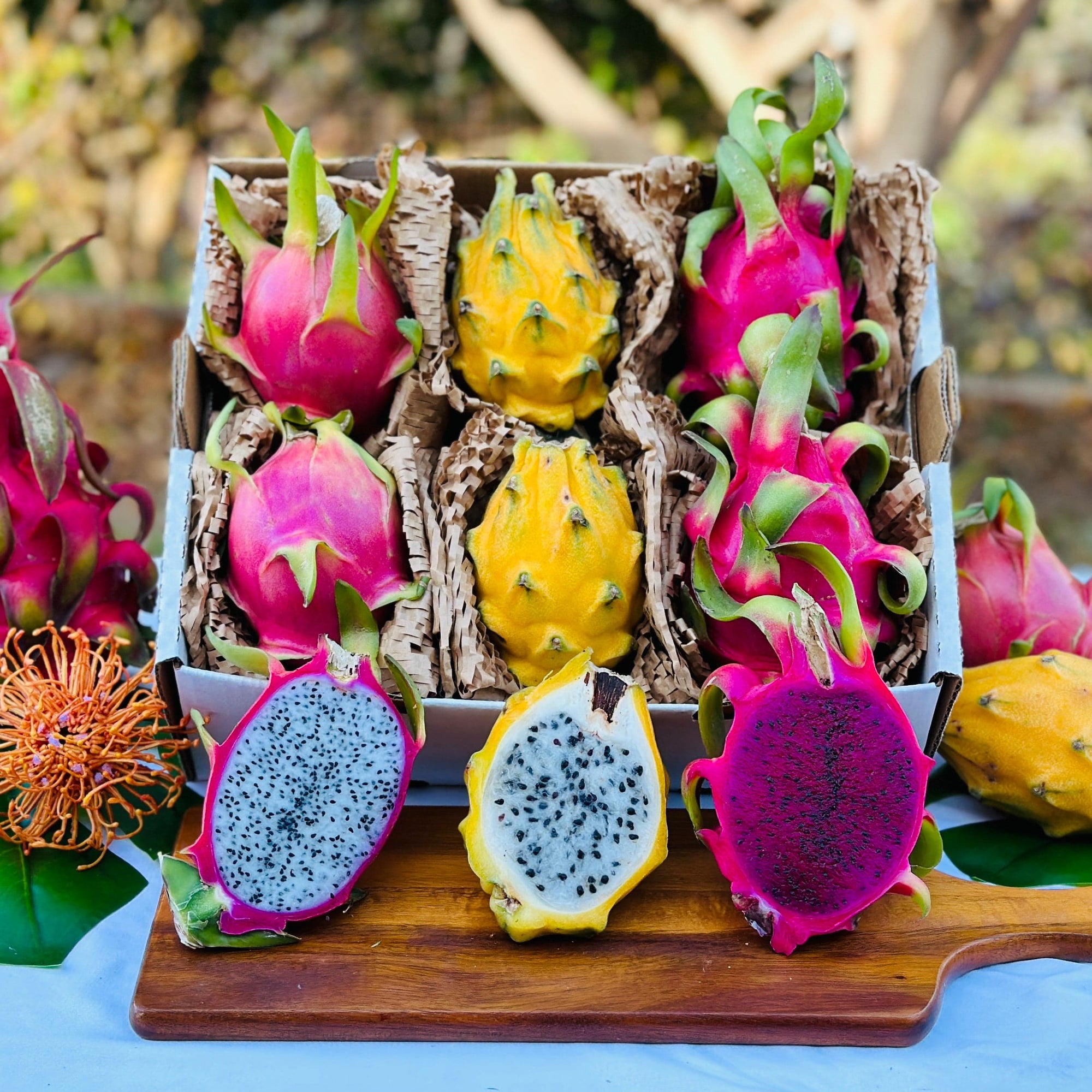
The most commonly available variety, white-fleshed dragon fruit features bright pink skin with dramatic green scales and pristine white flesh speckled with tiny black seeds. The flavor is mild and subtly sweet, often compared to a cross between a kiwi and a pear. This variety is perfect for beginners due to its accessibility and gentle taste profile.
2. Red-Fleshed Dragon Fruit (Hylocereus costaricensis)
Perhaps the most Instagram-famous variety, red-fleshed dragon fruit delivers a stunning visual impact with its deep magenta interior. The flavor is noticeably sweeter than its white-fleshed cousin, with berry-like undertones that make it ideal for smoothies and desserts. The vibrant color comes from betalains, powerful antioxidants that provide additional health benefits.
3. Yellow Dragon Fruit (Selenicereus megalanthus)
Distinguished by its bright yellow skin covered in small spines rather than scales, yellow dragon fruit offers the sweetest flavor profile of all varieties. The white flesh is exceptionally juicy and has a tropical sweetness reminiscent of pineapple and banana. This variety is prized by chefs and food enthusiasts for its superior taste, though it can be more challenging to find in regular grocery stores.
4. Pink-Fleshed Dragon Fruit (Hylocereus guatemalensis)
A beautiful middle ground between white and red varieties, pink-fleshed dragon fruit features delicate rose-colored flesh that photographs beautifully. The flavor combines the mildness of white dragon fruit with subtle berry notes, creating a balanced taste that appeals to a wide range of palates.
Understanding these varieties is crucial for both purchasing decisions and recipe planning. Each type brings unique characteristics to dragon fruit recipes, from smoothie bowls to exotic fruit salads, and knowing their distinct properties helps ensure the best culinary results.
The growing availability of these exotic dragon fruit varieties in specialty stores and online markets has made it easier than ever to experiment with different types. Many consumers start with the readily available white-fleshed variety before exploring the more exotic options, gradually building their appreciation for the subtle differences in flavor, texture, and appearance.
Exotic Dragon Fruit Varieties: Characteristics and Availability Guide
| Variety Name | Flesh Color | Skin Color | Flavor Profile | Average Price (USD/lb) |
|---|---|---|---|---|
| White-Fleshed Dragon Fruit (Hylocereus undatus) | White with black seeds | Pink/magenta with green scales | Mild, subtly sweet, kiwi-like | $4.99-$6.99 |
| Red-Fleshed Dragon Fruit (Hylocereus costaricensis) | Deep magenta/red with black seeds | Pink/magenta with green scales | Sweet, berry-like, more intense than white | $7.99-$12.99 |
| Yellow Dragon Fruit (Selenicereus megalanthus) | White with black seeds | Bright yellow with small spines | Sweetest variety, tropical, honey-like | $12.99-$18.99 |
| Purple Dragon Fruit (Hylocereus guatemalensis) | Deep purple/magenta | Dark purple/red skin | Rich, sweet, grape-like undertones | $15.99-$22.99 |
| Pink Dragon Fruit (Hylocereus polyrhizus) | Pink/light red with black seeds | Bright pink with green scales | Moderately sweet, floral notes | $8.99-$14.99 |
| Golden Dragon Fruit (Selenicereus undatus) | Pale yellow/white | Golden yellow skin | Crisp, refreshing, citrus hints | $16.99-$24.99 |
| Vietnamese White Dragon Fruit | Pure white with tiny black seeds | Pale pink with prominent scales | Delicate, cucumber-fresh, very mild | $5.99-$8.99 |
As we dive deeper into the world of exotic dragon fruits, understanding these foundational varieties sets the stage for exploring advanced preparation techniques, creative recipe applications, and optimal storage methods that will be covered in Part 2 of this comprehensive guide.
Preparing and Enjoying Your Dragon Fruit
Once you've selected your perfect dragon fruit, proper preparation is key to maximizing both flavor and nutritional benefits. The preparation method varies slightly depending on the variety, but the basic technique remains consistent across all types.
Start by washing the fruit thoroughly under cool running water. Using a sharp knife, cut the dragon fruit in half lengthwise. The flesh should easily separate from the skin with a spoon, similar to an avocado. For serving, you can cube the flesh, slice it into rounds, or scoop it directly from the skin for a rustic presentation.
Creative Dragon Fruit Recipes
Dragon fruit's mild, refreshing taste makes it incredibly versatile in both sweet and savory applications. For breakfast, blend white-fleshed dragon fruit with coconut milk, banana, and a touch of honey for a stunning purple smoothie bowl. Top with granola, chia seeds, and fresh berries for added texture and nutrition.
The red-fleshed variety works beautifully in agua frescas and cocktails, providing natural color without artificial additives. Muddle chunks of red dragon fruit with lime juice and sparkling water for a refreshing summer drink. For a more sophisticated approach, incorporate yellow dragon fruit into fruit salsas paired with grilled fish or chicken, where its sweeter profile complements savory proteins.
Dragon fruit also shines in desserts. Create elegant fruit tarts using the colorful flesh as a topping, or freeze cubed pieces for natural fruit popsicles. The seeds add a delightful crunch similar to kiwi, making dragon fruit an excellent addition to yogurt parfaits and overnight oats.
Maximizing Nutritional Benefits
To get the most from your dragon fruit investment, consume it fresh rather than processed. The fruit is best enjoyed at room temperature, which enhances its subtle sweetness and allows the full flavor profile to develop. Pairing dragon fruit with vitamin C-rich foods like citrus or strawberries can boost iron absorption from the fruit's natural iron content.
Store ripe dragon fruit in the refrigerator for up to five days, but bring it to room temperature before eating for optimal taste. Unripe fruit can be left at room temperature for 2-3 days to soften. Avoid storing dragon fruit near ethylene-producing fruits like bananas or apples, as this can cause premature ripening and affect texture.
Where to Buy Quality Dragon Fruit
Finding fresh, high-quality dragon fruit has become easier as demand increases. Many mainstream grocery stores now carry at least the white-fleshed variety, typically in the exotic fruit section. Asian markets often offer the widest selection, including harder-to-find varieties like purple-fleshed or yellow dragon fruit.
When shopping online, timing is crucial. Order dragon fruit for delivery early in the week to ensure freshness, and choose suppliers who specialize in tropical fruits. Look for vendors who provide harvest dates and shipping methods that maintain optimal temperature during transport.
Social Media Presentation Tips
Dragon fruit's photogenic qualities have made it a social media sensation, but capturing its beauty requires some technique. Natural lighting works best to showcase the vibrant colors without washing them out. Cut the fruit just before photographing to maintain the fresh, juicy appearance that makes dragon fruit so appealing online.
For Instagram-worthy presentations, contrast different varieties in the same shot. Place white-fleshed dragon fruit alongside red-fleshed pieces to create visual drama. The natural patterns of the black seeds create interesting textures that photograph beautifully in macro shots.
Consider the background carefully - neutral surfaces like marble, wood, or white plates allow the fruit's natural colors to pop. Adding complementary elements like mint leaves, lime wedges, or tropical flowers can enhance the exotic appeal without overwhelming the main subject.
Dragon fruit represents more than just a trending superfruit; it's a gateway to exploring diverse flavors and expanding culinary horizons. Whether you're drawn to its health benefits, Instagram potential, or simply curious about new tastes, these exotic varieties offer something unique for every palate. Start with the more readily available white-fleshed variety, then venture into the sweeter yellow or more vibrant red-fleshed options as your appreciation for this remarkable fruit grows.

No comments yet. Be the first to share your thoughts!