
Discover the Magic of Exotic Winter Fruits: Your Gateway to Global Flavors
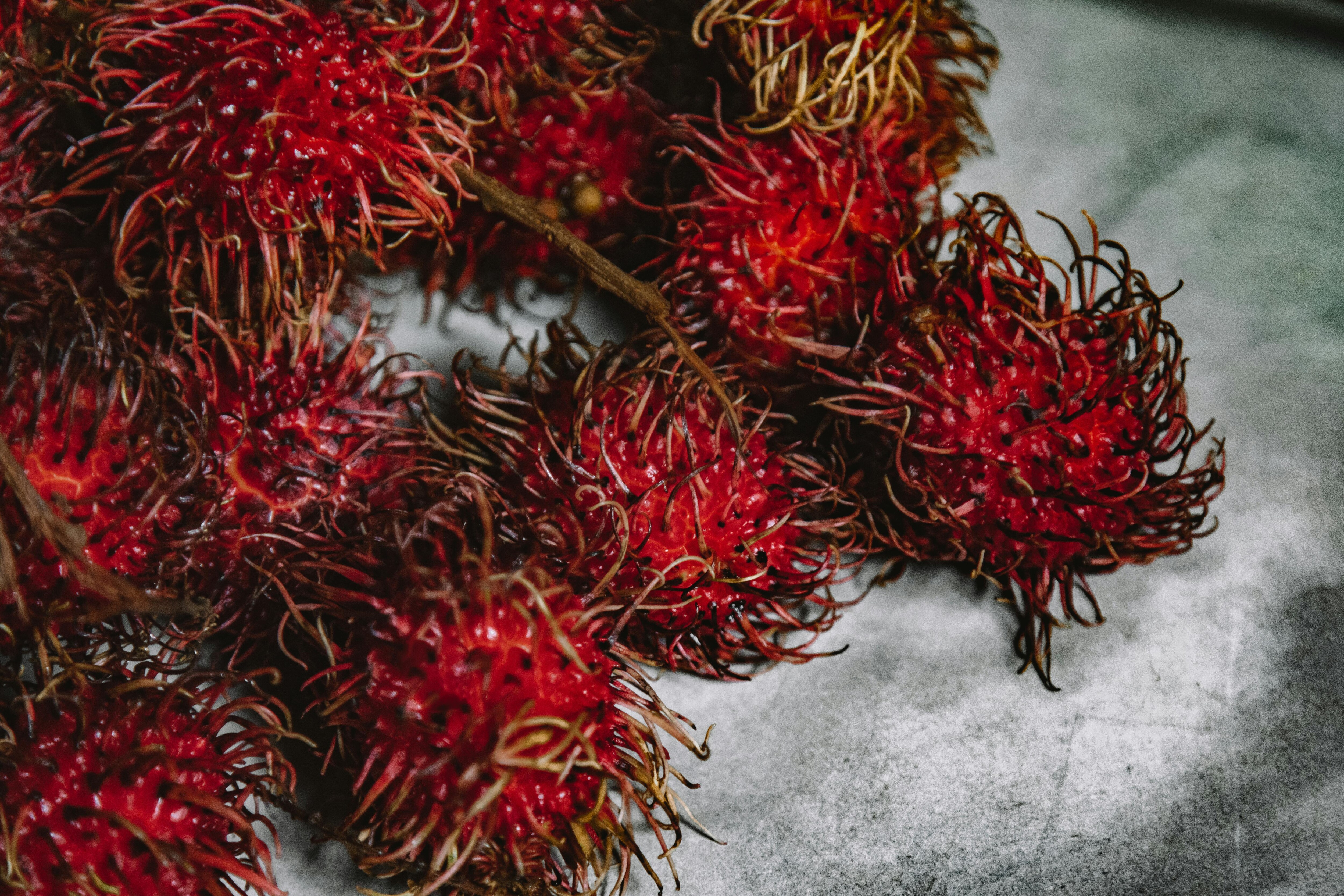
Winter doesn't have to mean settling for the same old apples and oranges. While the cold months might seem limiting for fresh fruit enthusiasts, this season actually offers an incredible opportunity to explore some of the world's most fascinating exotic fruits. From the striking dragon fruit with its dramatic appearance to the hairy, mysterious rambutan, these tropical treasures are more accessible than ever before in 2024.

The exotic fruit market has experienced remarkable growth, with specialty grocers and online retailers making these once-rare delicacies available to home cooks across the globe. What makes winter particularly exciting for exotic fruit exploration is that many of these tropical varieties are harvested during their peak seasons in the Southern Hemisphere, arriving fresh in our markets just when we need a burst of sunshine and flavor most.
Why Winter is Perfect for Exotic Fruit Adventures
There's something almost magical about cutting into a vibrant dragon fruit on a grey January morning or savoring the sweet complexity of a perfectly ripe rambutan while snow falls outside. These fruits don't just provide nutritional benefits – they offer an escape, a momentary transport to tropical paradises that can lift your spirits during the darker months.
Beyond their mood-boosting qualities, exotic winter fruits pack impressive nutritional profiles. Most are loaded with vitamin C, antioxidants, and unique compounds that support immune health – exactly what our bodies crave during cold and flu season. They're also naturally hydrating, helping combat the dry indoor air that's so common in winter.
1. Dragon Fruit: The Instagram Star of the Fruit World
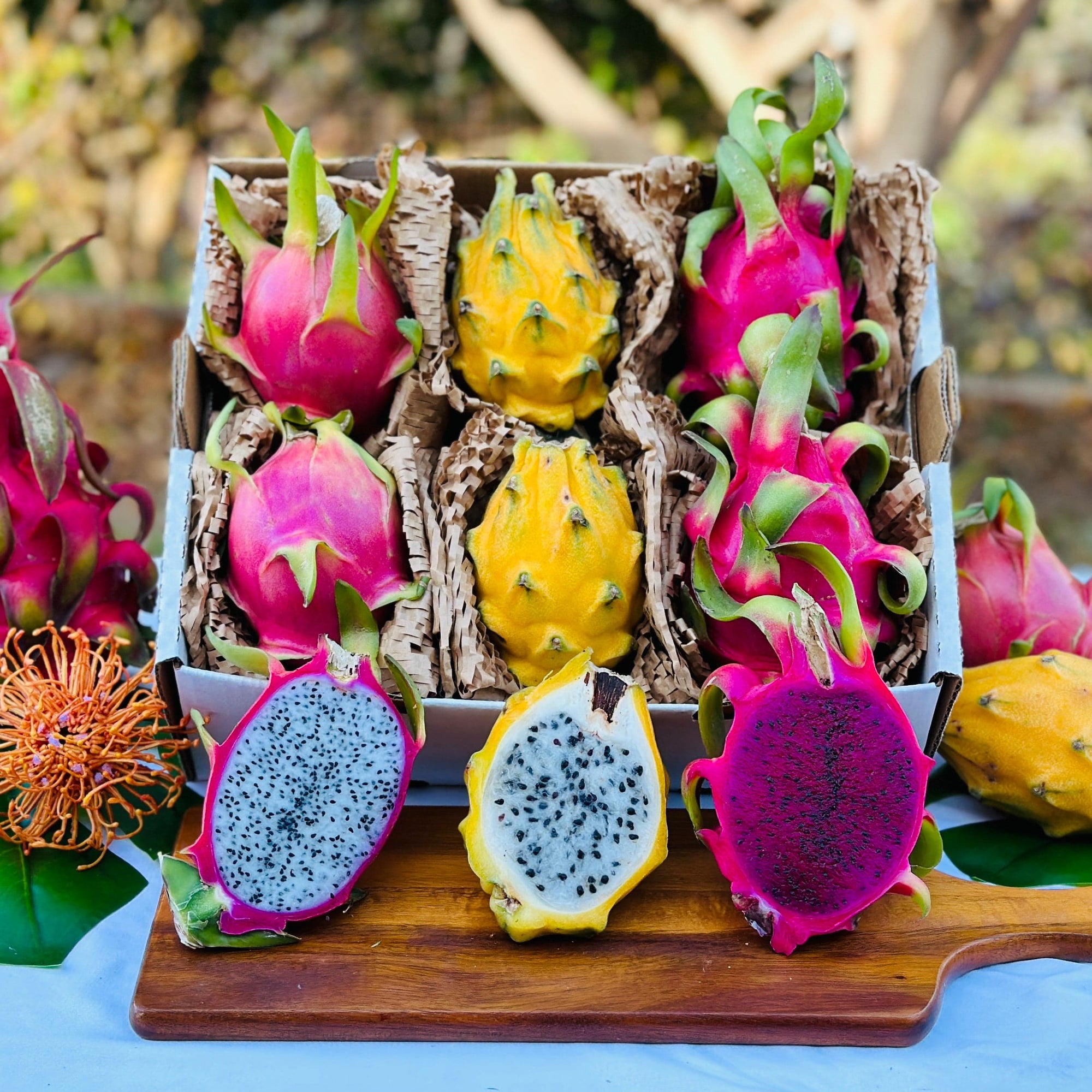
Let's start with perhaps the most visually stunning fruit you'll encounter: dragon fruit, also known as pitaya. This remarkable fruit looks like something from a fantasy novel with its vibrant pink or yellow skin adorned with green scales. But don't let its dramatic exterior intimidate you – inside lies a treasure of mild, refreshing flavor.
The flesh of dragon fruit comes in two main varieties: white and red, both speckled with tiny black seeds that add a delightful crunch. The taste is subtly sweet, often described as a cross between kiwi and pear, with hints of watermelon. It's this gentle flavor that makes dragon fruit incredibly versatile in the kitchen.
Nutritionally, dragon fruit is a powerhouse. A single serving provides substantial vitamin C, fiber, and antioxidants, while remaining remarkably low in calories. The fruit also contains iron, magnesium, and B vitamins, making it an excellent addition to your winter wellness routine.
Dragon Fruit in Your Kitchen
The beauty of dragon fruit extends far beyond its appearance. In the kitchen, it's remarkably adaptable. The mild flavor means it plays well with both sweet and savory applications. Try it diced in fruit salads where its striking appearance creates visual drama, or blend it into smoothies for a gorgeous pink hue and creamy texture.
Content is being updated. Check back soon.
For something more adventurous, dragon fruit makes an excellent base for cocktails and mocktails. Its natural sweetness and beautiful color create Instagram-worthy drinks that taste as good as they look. You can also incorporate it into desserts – dragon fruit panna cotta or sorbet showcases the fruit's delicate flavor while creating an elegant presentation.
Selecting and Storing Dragon Fruit
When shopping for dragon fruit, look for specimens that yield slightly to gentle pressure, similar to a ripe avocado. The skin should be bright and even-colored without dark spots or excessive wrinkling. A ripe dragon fruit will have a subtle, sweet aroma at the stem end.
Store unripe dragon fruit at room temperature until it gives slightly to pressure, then refrigerate for up to a week. The fruit is best enjoyed chilled, and preparation is simple – just cut it in half and scoop out the flesh with a spoon, or peel and slice like you would a kiwi.
As we continue our journey through exotic winter fruits, remember that each variety offers its own unique story, flavor profile, and culinary possibilities. Dragon fruit is just the beginning of an adventure that will transform how you think about winter eating.
Your Complete Guide to Exotic Winter Fruits: Flavors That Will Transform Your Season
Let's dive deeper into the fascinating world of exotic winter fruits that are revolutionizing how we think about seasonal eating. These remarkable fruits not only bring vibrant colors to your winter table but also pack incredible nutritional benefits and unique flavors that will expand your culinary horizons.
Dragon Fruit: The Instagram-Worthy Superfruit
Dragon fruit has become the darling of social media, and for good reason. This stunning fruit with its vibrant pink exterior and speckled white or red flesh offers more than just visual appeal. The taste is surprisingly subtle – imagine a cross between a mild kiwi and a crisp pear, with a texture that's both refreshing and satisfying.
What makes dragon fruit particularly exciting for winter cooking is its versatility. The mild flavor profile means it won't overpower other ingredients, making it perfect for both sweet and savory applications. Try adding cubed dragon fruit to your morning yogurt parfait, or blend it into a refreshing smoothie bowl topped with granola and coconut flakes. For something more adventurous, dragon fruit pairs beautifully with lime and chili in a winter fruit salsa that's perfect alongside grilled fish or chicken.
Rambutan: The Hairy Delicacy with Sweet Surprises
Don't let the rambutan's spiky, hair-like exterior intimidate you – this Southeast Asian fruit is a true gem waiting to be discovered. Once you peel away the distinctive red shell, you'll find translucent, juicy flesh that tastes like a sweet grape with floral undertones and a hint of lychee-like perfume.
The rambutan taste is complex yet approachable, making it an excellent gateway fruit for those new to exotic varieties. The texture is firm yet yielding, with a satisfying juiciness that makes it perfect for eating fresh. However, rambutan also shines in cooked applications – try adding it to a winter fruit compote or incorporating it into a tropical-inspired rice pudding for a warming dessert that celebrates global flavors.
Maximizing Tropical Fruits in Winter: Storage and Selection Tips
Successfully incorporating tropical fruits into your winter routine requires understanding how to select, store, and prepare these delicate treasures. Look for dragon fruits that give slightly to pressure but aren't mushy, with bright, evenly colored skin. Rambutan should have vibrant red spikes that aren't dried out or blackened.
Store most exotic fruits at room temperature until ripe, then refrigerate to extend their life. Dragon fruit can last up to a week in the refrigerator once ripe, while rambutan is best enjoyed within 2-3 days of ripening. The key to enjoying these fruits at their peak is understanding their ripening cues and planning your meals accordingly.
Creative Culinary Applications for Winter
These exotic fruits aren't just novelty items – they're legitimate ingredients that can transform your winter cooking. Dragon fruit's neutral flavor makes it an excellent addition to winter salads, where its striking appearance creates visual interest alongside heartier ingredients like roasted beets and winter greens. The fruit also freezes beautifully, making it perfect for smoothies and sorbets.
Rambutan works wonderfully in both sweet and savory contexts. Try it in a winter fruit chutney alongside apples and cranberries, or incorporate it into a warming curry where its sweetness balances spicy elements. The fruit's floral notes also make it an excellent addition to herbal teas and infused waters.
Nutritional Powerhouses for Cold Season Health
Beyond their exciting flavors, these exotic fruits offer impressive nutritional profiles that support winter wellness. Dragon fruit is loaded with vitamin C, supporting immune function during cold season, while also providing fiber for digestive health and antioxidants that combat winter skin dullness.
Rambutan brings its own nutritional benefits, including vitamin C, copper for healthy metabolism, and manganese for bone health. These fruits offer a natural way to boost your nutrient intake during the months when fresh, local produce options are limited.
Embracing exotic winter fruits is about more than just trying something new – it's about expanding your culinary vocabulary and bringing global flavors into your everyday cooking. Whether you're looking to impress dinner guests, add nutrition to your family's diet, or simply break out of a winter food rut, these remarkable fruits offer endless possibilities for creativity and nourishment.


No comments yet. Be the first to share your thoughts!