
Spot ripe exotic fruits
Choosing the right exotic fruit relies on three physical checks: color, texture, and scent. Unlike apples or bananas, which ripen uniformly on the tree, many tropical fruits continue to develop flavor after harvest. Learning to read these signs ensures you get the best sweetness and texture.
Dragon fruit
Look for a fruit with bright, even skin. For the common red-skinned variety, the color should be vivid pink or yellow without brown spots. Avoid fruits with shriveled skin, which indicates age and moisture loss. When you press the side gently, it should yield slightly, similar to a ripe avocado. If the fruit feels rock-hard, it needs a few days at room temperature to soften.
Passion fruit
The goal here is weight and wrinkling. Pick a fruit that feels heavy for its size, signaling juicy interior flesh. The skin should be smooth at first but will develop a slight wrinkle as it ripens. Do not reject wrinkled passion fruit; this is actually a sign of peak sugar concentration and intense flavor. If the skin is deeply shriveled or soft to the touch, the fruit may be overripe or fermenting inside.
Rambutan
Inspect the hair-like spines on the skin. Fresh rambutan has bright red or green spines that are flexible and not dried out. If the spines are brown, brittle, or falling off, the fruit is old. The skin should feel firm but give a little under pressure. A ripe rambutan will also have a faint, sweet floral aroma. Avoid any fruit with dark spots or a sour smell, which indicates spoilage.
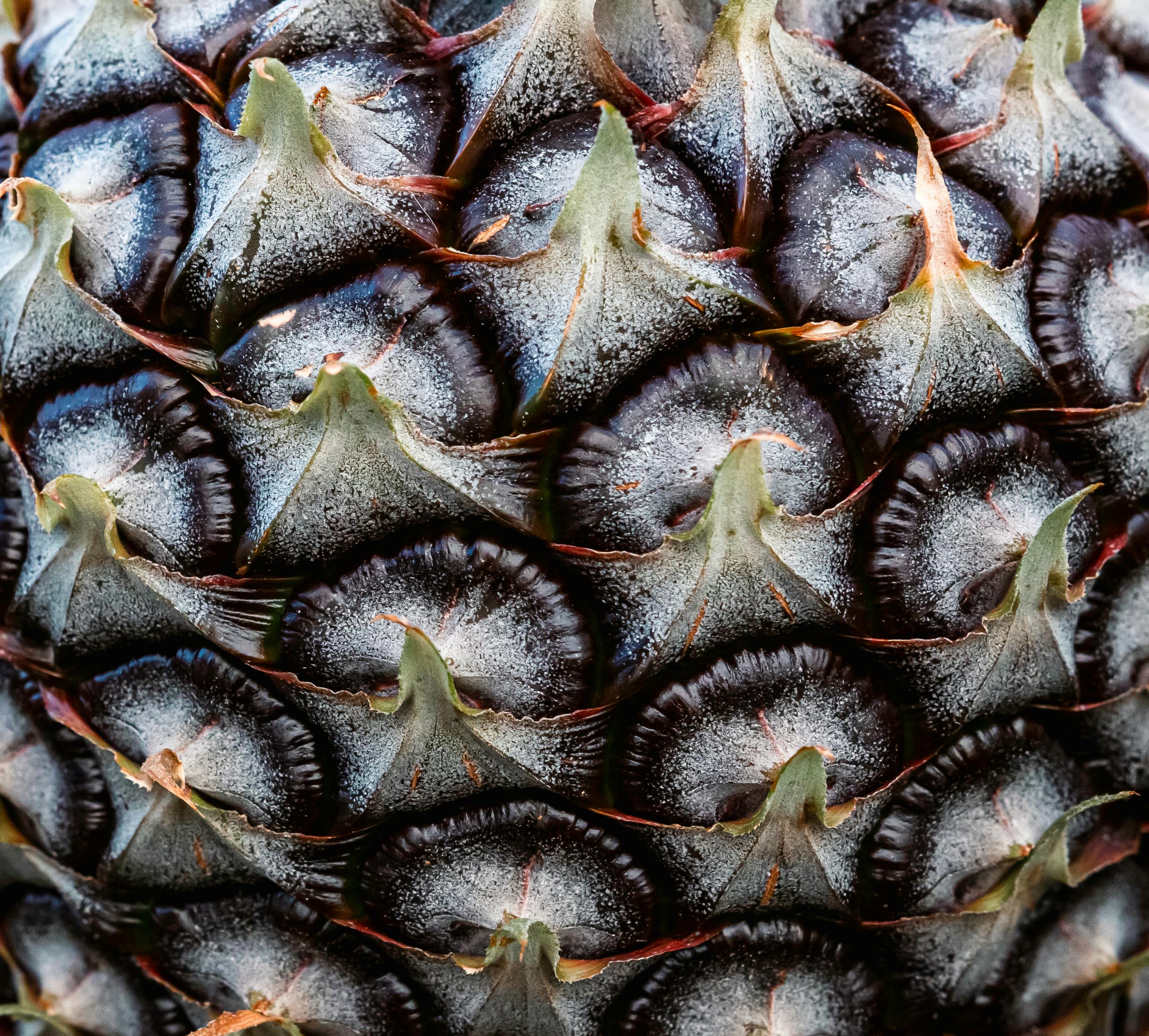
Look for vibrant, uniform skin color. Avoid fruits with dull patches, brown spots, or shriveled areas, which indicate age or damage.
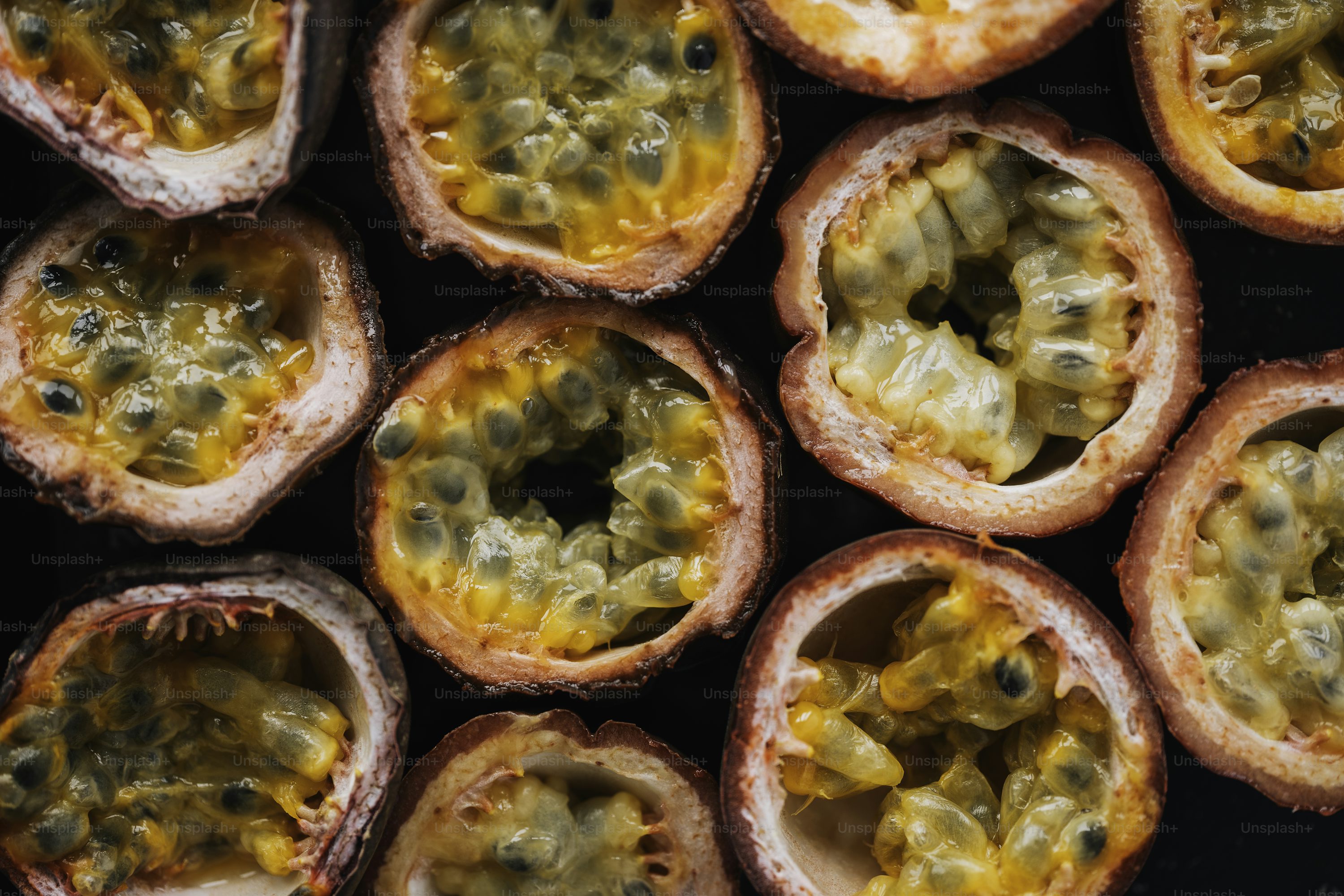
Gently squeeze the fruit. It should yield slightly to pressure. Hard fruits need time to ripen, while mushy ones are likely overripe.
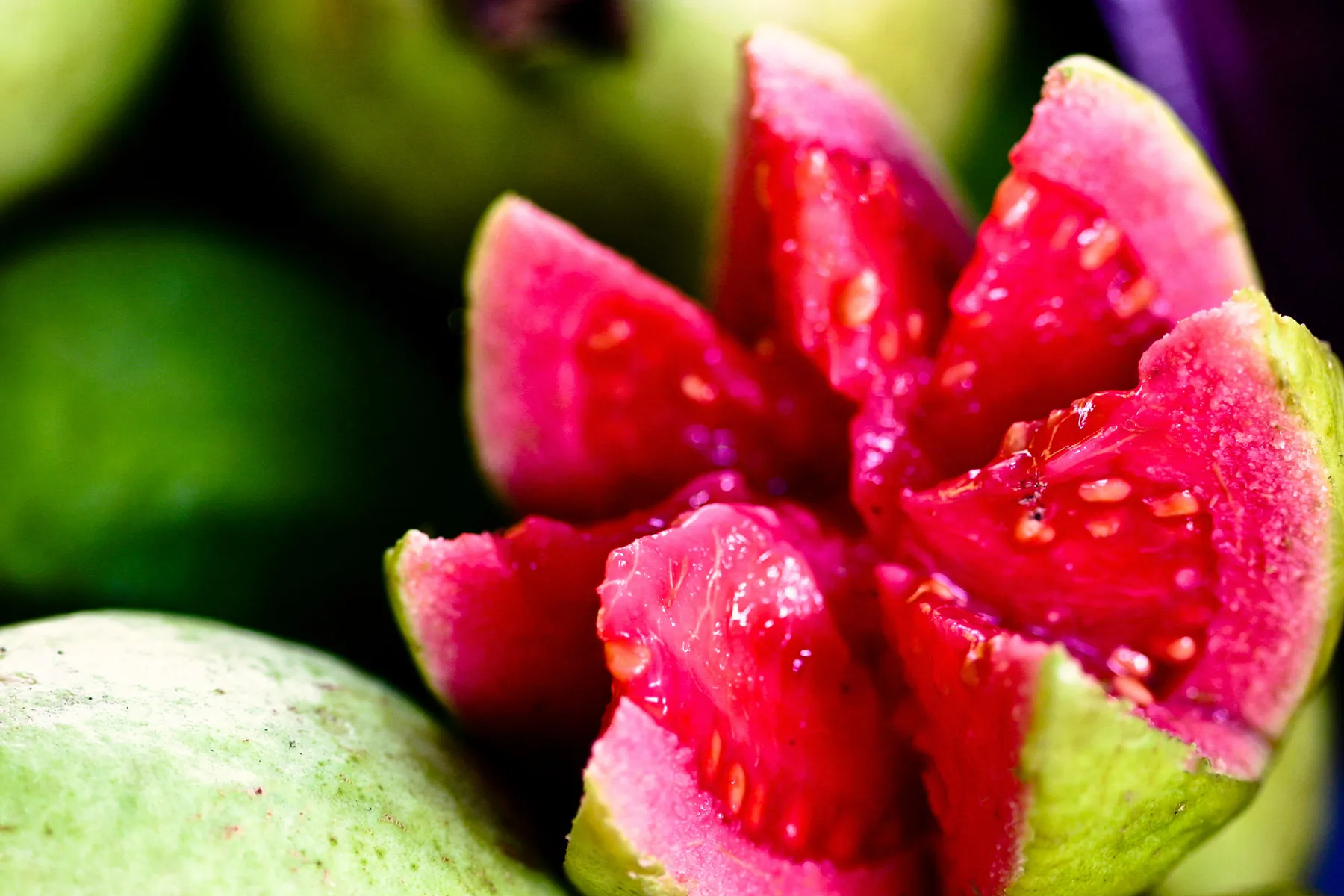
Smell the stem end. A sweet, floral, or tropical scent indicates ripeness. Lack of scent or a sour smell suggests the fruit is unripe or spoiled.
Prepare exotic fruits safely
Exotic fruits often come with protective barriers—thick rinds, leathery skins, or hard shells—that hide the edible flesh inside. Opening them safely requires the right tool and a bit of technique to avoid damaging the fruit or injuring yourself. The goal is to access the flesh cleanly, preserving its flavor and texture.
Even if you peel the fruit, dirt and bacteria on the skin can transfer to the flesh when you cut through it. Rinse the fruit under cool running water and scrub gently with a produce brush. Dry it with a clean towel before starting. This simple step prevents contamination from the start.
For fruits with hard shells like jackfruit, durian, or pineapple, use a large, sharp chef’s knife. Place the fruit on a stable cutting board. Cut downward with controlled pressure, letting the knife do the work rather than forcing it. If the skin is leathery, like on a mango or papaya, a paring knife offers more precision.
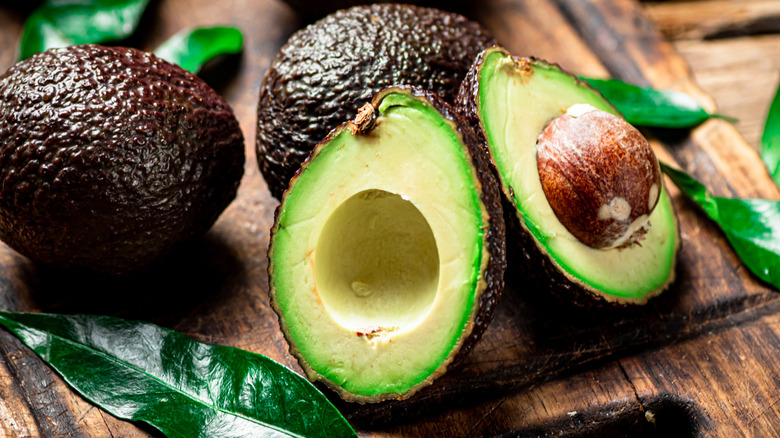
Many exotic fruits contain seeds, pits, or central cores that are not meant to be eaten. Dragon fruit has tiny black seeds that are safe to eat, but larger seeds in passion fruit or cherimoya should be discarded. Cut away any fibrous or bitter parts surrounding the flesh. If you are unsure about a specific seed, check a reliable reference before consuming.
Once the protective layers are removed, use a spoon to scoop out soft flesh from fruits like kiwano or passion fruit. For firmer fruits like rambutan or mangosteen, tear the segments apart by hand or slice them into bite-sized pieces. Serve immediately for the best flavor, or store in an airtight container in the refrigerator for up to two days.
Safety checklist for exotic fruit prep
Before you begin, keep these quick checks in mind to ensure a safe and enjoyable experience:
- Use a stable cutting board to prevent slipping.
- Keep knives sharp; dull blades require more force and are more likely to slip.
- Wash your hands before handling the flesh.
- Discard any fruit that shows signs of mold or excessive bruising.
- When in doubt about a seed or skin, research that specific variety first.
Note: Some exotic fruits, like ackee or unripe star fruit, can be toxic if not prepared correctly. Always verify the safety of the specific variety you are handling.
If you want to see these techniques in action, watching a short demonstration can help clarify the best approach for your specific fruit.
Avoid Common Tasting Mistakes
The journey from buying exotic fruit to enjoying it is short, but it’s easy to ruin the experience with a few common errors. Underripe specimens are hard, flavorless, and sometimes indigestible, while overripe fruit turns mushy or fermented. Equally important is knowing how to actually eat the fruit once it’s open; many exotic varieties require specific techniques to access their edible flesh safely and effectively.
Check Ripeness Before You Bite
Don’t rely on color alone, as some fruits like dragon fruit or kiwano stay green or orange even when fully ripe. Instead, use touch and smell. A ripe mango should yield slightly to gentle pressure, similar to a ripe avocado. Passion fruit skins wrinkle as they ripen, signaling peak sweetness. If a fruit smells fragrant and sweet at the stem end, it’s likely ready. If it smells sour or has no scent, it needs more time.
Use the Right Eating Method
Each exotic fruit has a unique structure. Mangosteen requires cracking the thick purple shell to reveal the white segments inside. Jackfruit needs to be pulled apart by hand or cut with a knife to separate the pods from the fibrous center. Star fruit is typically sliced crosswise into star shapes. Trying to eat these like apples or oranges will result in wasted fruit and a messy experience. Take a moment to look up the specific eating method for the variety you’ve chosen.
Store and Serve Correctly
Most exotic fruits are best eaten at room temperature to fully develop their flavor profile. Refrigeration slows down the ripening process and can dull the taste. If your fruit is underripe, leave it on the counter for a day or two. Once ripe, you can refrigerate it for a day or two to extend its life, but let it come back to room temperature before eating. This simple step makes a significant difference in texture and taste.
Store exotic fruits properly
Choose and Eat Exotic Fruits works best when the purchase path is explicit. Verify the source, compare the offer against real alternatives, check the total cost, and confirm what happens after payment before you decide. After each comparison, write down the one risk that would change your mind. If the seller, condition, support, warranty, shipping, or upkeep still feels uncertain, resolve that question before moving to checkout.
The simplest way to use this section is to verify the seller, compare the total cost, and resolve the biggest risk before you commit.
Exotic fruits FAQ
These answers address common questions about exotic fruits, helping you identify what they are, where to find them, and how to start your collection.

No comments yet. Be the first to share your thoughts!