
Make the recipe
Traditional cooking methods often rely on abundant water and stable power grids—luxuries that are becoming less reliable. Adapting these dishes for 2026 means focusing on drought-tolerant ingredients, minimal water usage, and energy-efficient techniques. The goal is not to reinvent the wheel, but to tighten the spokes so the wheel holds up under pressure.
This recipe for Mung Bean and Millet Stew draws on principles from climate-resilient agriculture. Mung beans are nitrogen-fixing legumes that require less water than soy or beef, while millet is a hardy grain that thrives in heat and poor soil. Together, they form a complete protein source that is both affordable and sustainable. The cooking method uses a "one-pot" approach, which significantly reduces fuel consumption and water waste compared to traditional multi-step preparations.
The process relies on soaking and simmering rather than boiling away moisture. This preserves nutrients and ensures that every drop of water used contributes to the final dish. It is a practical shift from the high-volume cooking of the past to the precision cooking of the future.
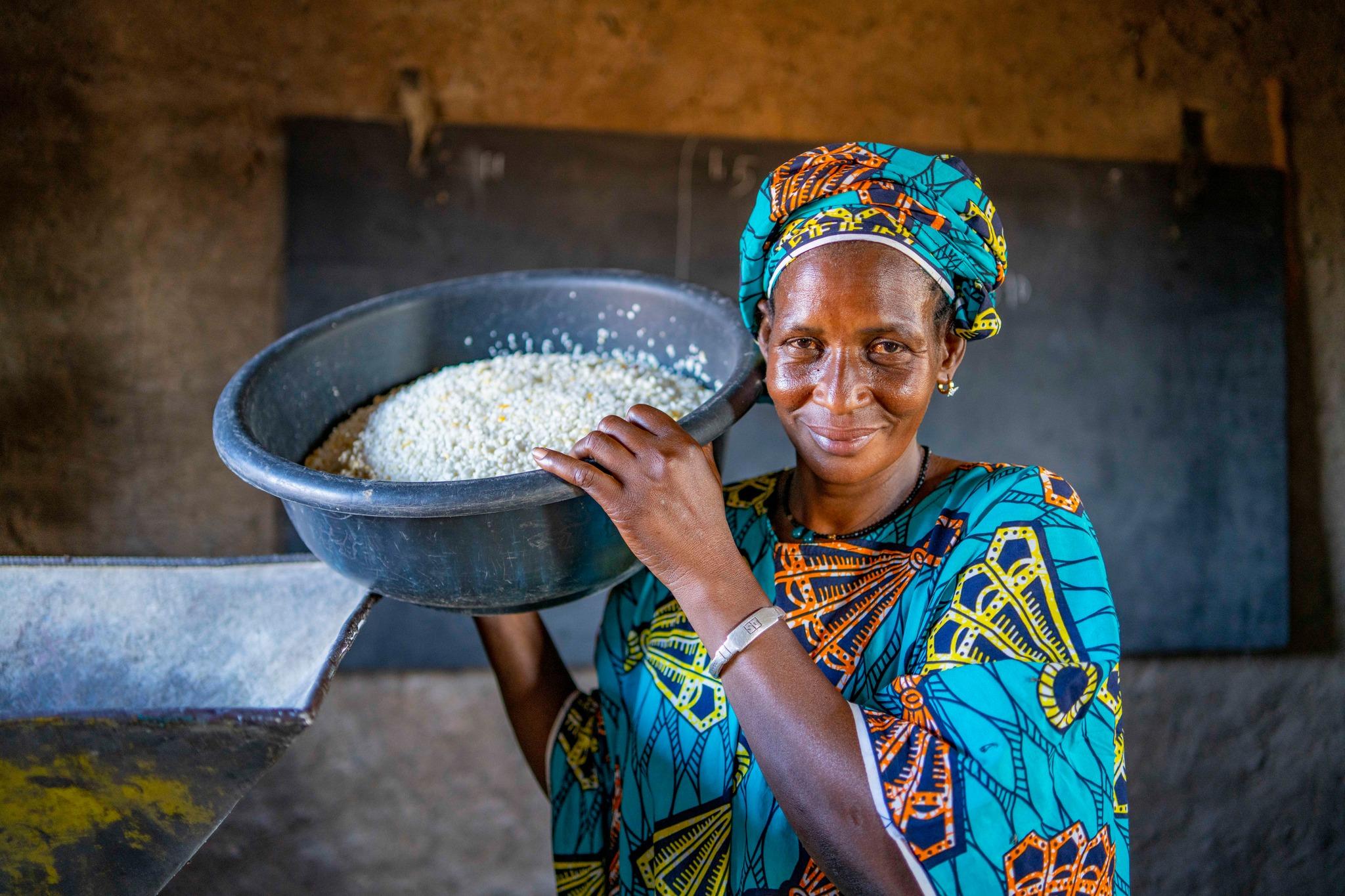
This dish demonstrates how small adjustments in ingredient selection and technique can create a meal that is resilient to supply chain disruptions. By keeping the pantry stocked with dry grains and legumes, you ensure that you can cook a nutritious meal even when fresh produce is scarce or expensive. The result is a hearty, comforting stew that respects both the planet and your pocketbook.
Preventing Texture Failures in Climate-Resilient Cooking
Adapting traditional recipes to climate-resilient ingredients often means swapping out reliable staples for drought-tolerant or locally sourced alternatives. These ingredients behave differently under heat. Without adjustments, a familiar stew can turn into a watery mess, or a hearty grain bowl can become dry and chalky. The difference between a successful adaptation and a failed meal lies in managing moisture and heat distribution.
The goal is not to mask the unique flavor of resilient crops but to ensure the texture holds up. We focus on three common failures: excess liquid, dryness, and uneven cooking. By understanding how these ingredients absorb water and release heat, you can make small tweaks that keep the dish balanced.
Many climate-resilient vegetables, like certain varieties of squash or leafy greens, have higher water content than their conventional counterparts. If you add them to a simmering pot at the same time as traditional ingredients, they will release too much liquid, diluting the flavor and creating a soupy consistency.
To prevent this, treat high-moisture ingredients as a finishing element. Sauté them separately in a hot pan with a little oil to evaporate surface water before adding them to the main dish. Alternatively, add them in the last five minutes of cooking. This preserves their structure and keeps the broth or sauce concentrated rather than diluted.

Drought-tolerant grains like millet, sorghum, or teff can be drier and more absorbent than rice or quinoa. If cooked using the same water-to-grain ratio as traditional recipes, they often end up tough or crumbly. This dryness also makes the dish feel bland because the texture interferes with flavor perception.
Use the absorption method with a slight buffer. Start with 1.5 to 2 cups of liquid for every cup of grain, depending on the specific variety. Simmer on low heat with the lid tightly sealed to trap steam. Let the pot rest off the heat for ten minutes after cooking. This allows the grains to reabsorb any remaining moisture, resulting in a tender, cohesive texture rather than a dry, loose one.
Climate-resilient root vegetables and legumes often have denser cellular structures than conventional varieties. This density means they cook slower and can remain hard in the center while the outside turns mushy. Uneven cooking leads to a frustrating eating experience where some bites are undercooked and others are overdone.
Cut these ingredients into smaller, uniform pieces—no larger than one inch. Par-boil them for five to ten minutes before adding them to stews or roasting them. This head start ensures they are tender throughout by the time the other ingredients are done. Uniform sizing also helps them absorb marinades and sauces evenly, preventing bland spots.
-
Sauté high-moisture vegetables separately to evaporate excess water before adding to the main dish.
-
Use the absorption method with a 1.5:1 or 2:1 liquid-to-grain ratio for drought-tolerant grains like millet or sorghum.
-
Rest cooked grains off the heat for ten minutes to allow reabsorption of moisture.
-
Cut dense root vegetables into uniform one-inch pieces and par-boil them to ensure even cooking.
-
Taste and adjust seasoning at the end, as resilient ingredients may absorb salt differently than conventional staples.
Swaps that still work
When supply chains tighten or seasonal crops fail, the best defense is a pantry built on flexibility. Rather than abandoning familiar dishes, you can pivot to ingredients that withstand heat, drought, or storage constraints. The goal is to maintain the soul of the meal while swapping in components that are currently abundant and affordable.
The following table outlines practical substitutions for common staple ingredients. These swaps prioritize durability and availability, ensuring your cooking remains resilient even when traditional supplies fluctuate.
These adjustments require minimal technique changes. For instance, lentils absorb flavors similarly to ground meat in slow-cooked dishes, while millet flour provides a nutty depth that complements whole-grain baking. By keeping these alternatives in rotation, you reduce dependency on volatile global markets and build a kitchen that adapts to local conditions.
Serve and store it
These climate-resilient dishes are built to hold up, but timing matters. The key to avoiding soggy grains or rubbery proteins lies in how you cool and reheat them. Treat leftovers as a second cooking stage, not just a warm-up.
Cooling and refrigeration
Cool food quickly to keep it safe. Spread stews, curries, or grain bowls in shallow containers rather than leaving them in a deep pot. This helps the center drop below 40°F (4°C) within two hours. Once cool, seal with airtight lids. Most cooked dishes stay fresh in the fridge for three to four days.
Freezing for long-term storage
Freezing is your best tool for food security. Most hearty dishes—like lentil soups, bean stews, or roasted vegetable mixes—freeze well for up to three months. Avoid freezing dishes with high water content like lettuce or cucumbers, which turn mushy. Dairy-heavy sauces may separate when thawed; stir in a splash of fresh milk or broth when reheating to restore creaminess.
Reheating with care
Reheat gently to preserve texture. Use low heat on the stove or a microwave at 50% power, stirring halfway through. Add a little water, broth, or stock if the dish looks dry. Grain-based dishes often need extra moisture to return to their original consistency. Avoid boiling, which can break down vegetables and toughen proteins.
Serving suggestions
Serve warm, not hot. These dishes are meant to be comforting and sustaining. Pair with fresh herbs, a squeeze of citrus, or a crunchy topping like toasted seeds or nuts to add brightness and texture. This simple step can transform a reheated meal into something that feels freshly made.
Common questions about climate-resilient cooking
Adapting your kitchen to 2026’s food security challenges doesn’t mean sacrificing flavor or tradition. It means shifting toward ingredients that withstand drought, heat, and supply chain disruptions. Here are the most practical questions home cooks ask when making this transition.
These adjustments are about building confidence in your kitchen. When you know your meals can withstand uncertainty, you cook with less stress and more creativity.

No comments yet. Be the first to share your thoughts!