
Why exotic fruits dominate dessert trends
The modern pastry landscape is shifting away from the familiar comfort of standard berries and stone fruits. Chefs are increasingly turning to exotic fruits to create desserts that offer more than just sweetness. These ingredients bring distinctive flavors, striking visual appeal, and complex textures that challenge traditional baking norms. This movement is not merely about novelty; it represents a broader culinary evolution where rarity and complexity drive innovation.
Exotic fruits, defined as non-native varieties with unique sensory profiles, are becoming central to high-end dessert menus. According to the Institute of Culinary Education, the biggest produce trends in this category currently include dragon fruit, jackfruit, papayas, mangoes, passion fruit, and cherimoya. These fruits offer chefs a palette of colors and tastes that are difficult to replicate with conventional ingredients. For instance, the vibrant pink of dragon fruit or the custard-like texture of cherimoya adds an immediate visual and textural dimension to a dish.
The appeal of these ingredients extends beyond the plate. They often carry stories of origin and sustainability that resonate with modern diners. Fruits like rambutan, mangosteen, and lychee are sourced from diverse regions, adding a global narrative to local dessert experiences. This connection to place and rarity allows chefs to create memorable moments that stand out in a crowded market. As consumers seek more adventurous eating experiences, exotic fruits provide the perfect vehicle for exploration.
This trend is also driven by the desire for less reliance on processed sugars. Many exotic fruits have natural sweetness levels that can reduce the need for added sweeteners, aligning with health-conscious trends. The complex acidity found in fruits like passion fruit or soursop can balance rich creams and chocolates, creating more sophisticated flavor profiles. As a result, exotic fruits are no longer just garnishes; they are foundational elements in revolutionary dessert design.
5 Exotic Fruits Revolutionizing Global Desserts
Exotic fruits are reshaping the global dessert landscape with bold flavors and unique textures that challenge traditional confections. These rare ingredients are moving beyond novelty status to become essential components in modern culinary innovation.
-
Dragon fruit for vibrant color
Dragon fruit delivers striking magenta and pale green hues without artificial dyes, making it a visual powerhouse in modern desserts. Its mild, slightly sweet flavor allows it to blend seamlessly into smoothies, sorbets, and layered cakes. The speckled flesh adds an exotic aesthetic that elevates presentation, turning ordinary treats into Instagram-worthy centerpieces while maintaining a light, refreshing taste profile. -
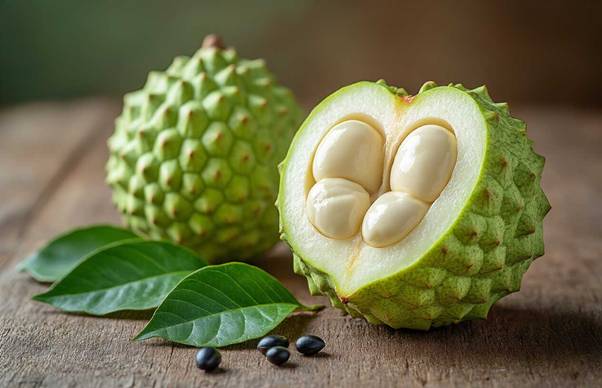
Cherimoya for creamy texture
Cherimoya offers a custard-like consistency that rivals dairy, making it ideal for vegan panna cotta and rich mousses. Mark Twain famously called it the most delicious fruit known to man, praising its complex blend of banana, pineapple, and strawberry notes. This tropical gem provides a luxurious mouthfeel without heavy cream, allowing chefs to create decadent textures while keeping desserts lighter and more digestible for health-conscious diners. -
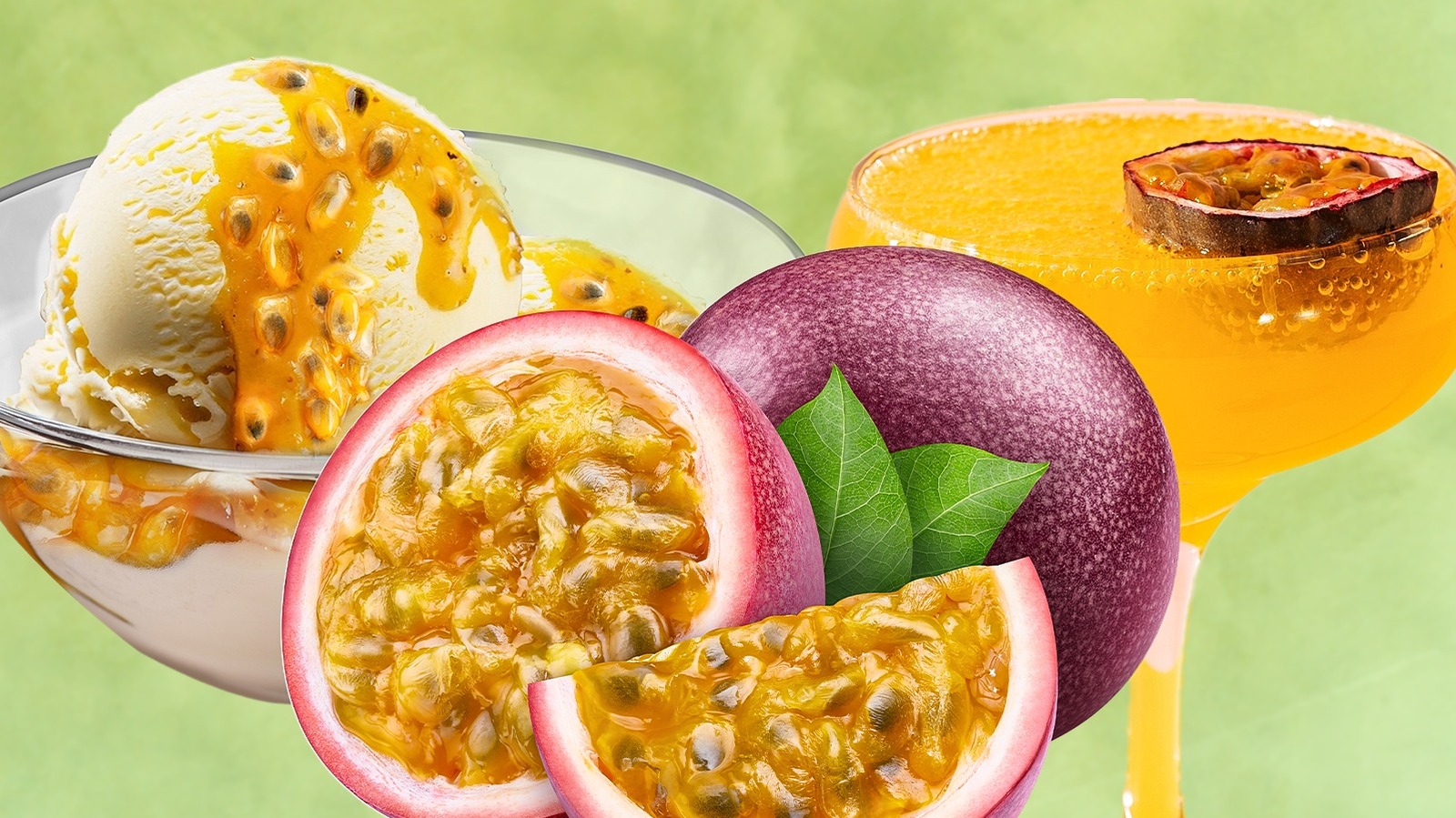
Passion fruit for tart acidity
Passion fruit injects intense, tangy acidity that cuts through rich chocolate and sweet creams, balancing heavy dessert profiles. Its seedy pulp adds textural contrast and a burst of tropical brightness, perfect for curds, glazes, and fruit compotes. Chefs use this vibrant ingredient to awaken dormant flavors, ensuring each bite offers a sophisticated interplay of sweet and sour that keeps palates engaged and craving more. -
Lychee for floral sweetness
Lychee brings a delicate, floral sweetness reminiscent of roses and grapes, enhancing delicate pastries and chilled soups. Its translucent flesh dissolves slightly in syrups, infusing desserts with an aromatic perfume that feels elegant and refined. This subtle exotic fruit pairs beautifully with green tea and jasmine, offering a nuanced flavor profile that distinguishes high-end confections from standard sweet treats. -
:max_bytes(150000):strip_icc()/GettyImages-1325238415-8825501823144f5d908f9acf5d17c637.jpg)
Rambutan for tropical garnish
Rambutan’s hairy red exterior and translucent white flesh provide a striking visual contrast, making it an exceptional garnish for tropical tarts and fruit platters. The mild, sweet flavor complements coconut and citrus elements without overpowering them. Its unique texture adds a playful element to dessert presentations, inviting diners to peel away the outer layer and discover a juicy, refreshing interior that enhances the overall sensory experience.
Frequently asked questions about exotic fruits
Exotic fruits are non-native fruits with distinctive flavors, textures, and appearances sourced from around the world. Common examples include rambutan, mangosteen, kaki fruit, and lychee. These ingredients bring unique profiles to global desserts, moving beyond standard tropical staples like bananas or pineapples.
What are 5 exotic fruits?
Five notable exotic fruits frequently used in advanced pastry and dessert making are:
- Dragon fruit (pitaya): Known for its vibrant pink or yellow skin and mild, refreshing taste.
- Durian: Famous for its pungent aroma and creamy, custard-like texture.
- Cherimoya: Often called the "custard apple" for its sweet, complex flavor.
- Kiwano (horned melon): Features a spiky orange exterior and green, jelly-like flesh.
- Passion fruit: Valued for its intense tartness and aromatic seeds.
What is the rarest exotic fruit?
Rarity often depends on region and season, but fruits like rambutan, mamey sapote, and soursop are considered rare in many Western markets. These fruits have specific growing conditions and short shelf lives, making them difficult to transport. Chefs often seek them out for their unique textures and intense flavors that cannot be replicated by common ingredients.
Can I find exotic fruits in regular grocery stores?
While mainstream supermarkets carry staples like dragon fruit and passion fruit, finding rarer varieties like mamey sapote or cherimoya usually requires specialty produce stores or online retailers. Online vendors often ship fresh exotic fruits directly to consumers, ensuring the quality needed for delicate dessert applications.

No comments yet. Be the first to share your thoughts!