
Beyond Flavor: The Rise of Texture
For years, flavor has reigned supreme in the food world. Chefs and food developers have tirelessly chased the next big flavor combination, the perfect spice blend, the most umami-rich ingredient. But something is shifting. Consumers aren't just looking to taste food anymore; they're looking to feel it. We are entering an era where texture is becoming just as important, if not more so, than flavor.
This isn’t to say flavor is disappearing. It’s evolving. The latest insights, like those from Symrise’s 2026 trend report, point to a growing demand for multi-sensory engagement. People want a complete experience, a symphony for their senses. It’s about the interplay between taste, smell, sight, and, crucially, texture.
The pursuit of novelty is a significant driver. We’ve become accustomed to a wide range of flavors, and simply introducing a new one doesn't always cut through the noise. Texture offers a different kind of innovation – a way to surprise and delight the palate in a fundamentally different way. It’s a new dimension for chefs to explore and for consumers to enjoy. This is a move away from the expected, towards something genuinely engaging.
I think this shift reflects a broader cultural trend towards mindfulness and embodied experience. We're paying more attention to how things feel, not just how they taste. And, frankly, a really interesting texture can make even a simple dish incredibly satisfying. It’s a subtle but powerful shift in how we relate to our food.
The Crunchy-Soft Dynamic
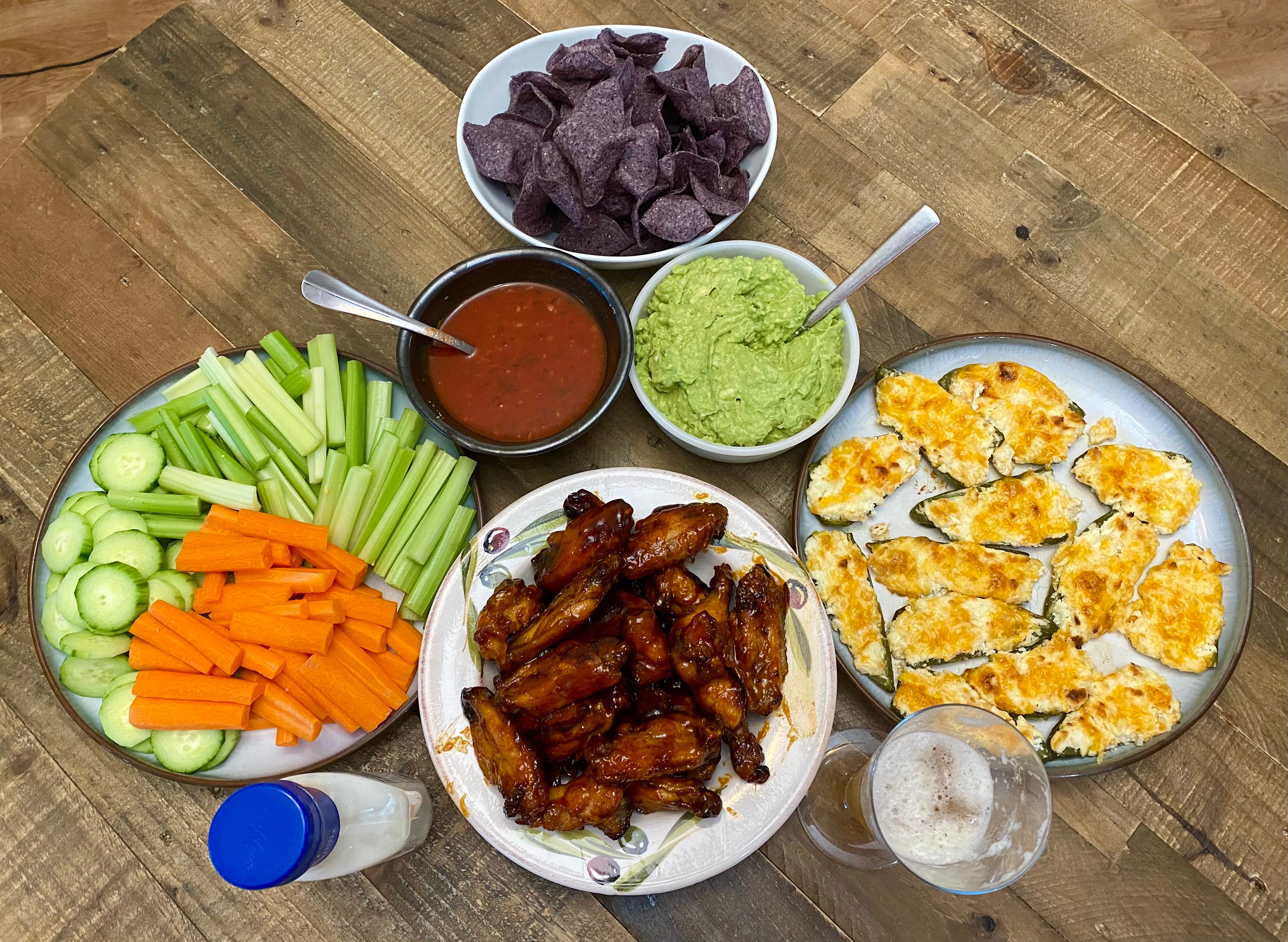
Within the broader rise of textural awareness, one combination is emerging as particularly compelling: crunchy-soft. It's a pairing that seems to tap into something primal, a deeply satisfying contrast that keeps the palate engaged. Think of the simple pleasure of a chocolate chip cookie – the snap of the cookie against the gooey, melted chocolate. That's the power of this dynamic.
The appeal, I believe, lies in the contrast itself. Our mouths enjoy the variation. A consistently soft food can become monotonous, while a relentlessly crunchy one can be tiring. The interplay between the two keeps things interesting, creating a more complex and rewarding sensory experience. It's about the unexpectedness, the surprise of each bite.
This isn't just about pleasurable sensation; it also signals quality and freshness. A crisp element often indicates a recently prepared dish, while a soft interior suggests careful cooking. The Symrise report noted a consumer desire for unexpected textures, and crunchy-soft delivers exactly that. It’s a signal that someone has put thought and care into the food.
From a psychological perspective, textural contrast can also enhance our perception of flavor. The different sensations stimulate different nerve endings in the mouth, which can amplify our ability to detect subtle nuances in taste. It’s a fascinating connection between our senses.
What's Your Texture Personality?
The culinary world is buzzing about the power of textural contrast! In 2026, crunchy-soft combinations are predicted to dominate menus. But what about *you*? Are you drawn to the satisfying snap of a crisp element, the comforting smoothness of a creamy bite, or a perfect balance of both? Take this quiz to discover your texture personality and unlock the ideal food pairings for your palate.
Culinary Examples: Now Happening
The crunchy-soft trend isn’t some distant prediction; it’s already appearing on menus and in packaged foods. It’s not just limited to desserts, though that’s a natural starting point. Restaurants are getting clever with incorporating contrasting textures into both sweet and savory dishes.
Consider the example of Pujol in Mexico City, where chef Enrique Olvera is known for his innovative use of texture. Their signature mole madre, mole madre, is often served with crispy tortilla strips, providing a delightful counterpoint to the rich, smooth sauce. It’s a masterclass in textural balance. This isn’t an isolated incident; many high-end restaurants are experimenting with similar techniques.
You’re also seeing it in more accessible formats. Puffed quinoa is increasingly being sprinkled on yogurt or breakfast bowls, adding a satisfying crunch. Crispy fried shallots are appearing on everything from mashed potatoes to salads. Even fast-casual chains are getting in on the act – think of the addition of tortilla strips to salads or the inclusion of a crunchy element in wraps.
Packaged foods are also evolving. Soft-serve ice cream with a honeycomb candy crumble is becoming more common. Even ramen kits are starting to include packets of fried garlic and onion, allowing consumers to add their own textural element. MegaMex Foods is responding to the demand for added flavor and fiber, which often translates to texture, across their menu offerings. The trend is pervasive, and it’s only going to grow.
The Science of Mouthfeel
What’s actually happening in our mouths when we experience these different textures? It’s more complex than you might think. The sensation of texture, often referred to as "mouthfeel,’ is a result of a complex interplay between the food"s physical properties and the mechanics of chewing.
When we bite into something crunchy, we’re fracturing the food’s structure. This creates a sound, which contributes to the sensory experience. Simultaneously, pressure receptors in our gums and jaw are activated. Saliva plays a crucial role, lubricating the food and aiding in its breakdown. The softer components of the food then interact with different receptors, providing a contrasting sensation.
Different textures stimulate different nerve endings. For example, the trigeminal nerve, which is responsible for sensing touch, temperature, and pain, plays a significant role in detecting crispness and smoothness. The amount of friction, the rate of particle breakdown, and the overall lubrication all contribute to our perception of texture.
It's not just about the food itself, but also about how our brains interpret the signals from our mouths. Our brains integrate all of this information to create a cohesive sensory experience. Understanding this process helps chefs and food developers create textures that are truly satisfying and engaging. I’m not a neuroscientist, but it’s clear the process is incredibly involved.
Techniques for Texture Creation
Chefs and food developers are employing a wide range of techniques to create these interesting textures. Some are high-tech, while others are surprisingly simple. The key is understanding how different processes affect the food’s structure and mouthfeel.
Dehydration is a classic technique for creating crispness. Removing water concentrates the flavors and creates a brittle texture. Freeze-drying takes this a step further, preserving the food’s shape and flavor while creating an incredibly light and airy texture. Air frying is another popular method, offering a crispy exterior with a tender interior.
More advanced techniques include spherification, which involves encapsulating liquids in thin, gel-like spheres, creating a burst of flavor and texture in the mouth. Techniques involving hydrocolloids – substances like agar-agar, xanthan gum, and gellan gum – allow for precise control over texture, creating gels, foams, and emulsions.
For home cooks, there are plenty of accessible options. Toasted nuts and seeds, fried onions, and crispy breadcrumbs are all easy ways to add crunch. Playing with different starches can also create interesting textures – think of the difference between a creamy potato puree and a slightly grainy polenta. It's about experimenting and finding what works best for your dish. Don’t be afraid to try something new.
Flavor Pairings That Amplify Texture
The right flavor pairing can really elevate the textural experience. Some combinations simply work better than others, creating a more harmonious and satisfying sensation. It’s about finding pairings that complement and enhance the textural contrast.
Sweet and salty is a classic pairing that often works well with crunchy-soft textures. Think of salted caramel, chocolate-covered pretzels, or a brownie with a sprinkle of sea salt. The sweetness balances the saltiness, while the crunchy element provides a satisfying contrast to the soft interior.
Spicy and cooling pairings can also be incredibly effective. A crunchy chili-lime seasoned snack paired with a creamy yogurt dip offers a delightful interplay of sensations. The heat from the chili is tempered by the coolness of the yogurt, creating a balanced and refreshing experience.
Here’s a simple recipe idea: Spicy Mango Salsa with Cinnamon Tortilla Chips. Dice ripe mangoes and red onion, add a pinch of chili powder and lime juice. Serve with homemade tortilla chips sprinkled with cinnamon. The sweetness of the mango, the heat of the chili, and the crunch of the cinnamon chips create a delightful textural and flavor experience.
Looking Ahead: Texture Personalization
Where is this texture revolution heading? I believe we’ll see a growing trend towards personalization – foods designed to provide the exact textural experience a consumer desires. This is where things get really interesting. Consumers are increasingly demanding customized experiences, and food is no exception.
3D-printed food is one potential pathway to texture personalization. This technology could allow us to create foods with precisely controlled textures, tailored to individual preferences. Imagine being able to design a snack that has the perfect level of crunchiness and softness for you. It sounds like science fiction, but it’s becoming increasingly feasible.
Another possibility is customized food formulations. Companies could use data analytics to identify individual textural preferences and then create food products that are specifically designed to meet those needs. The IFT.org’s Outlook 2026 report highlights the importance of understanding consumer preferences, and texture is a key component of that understanding.
This isn’t just about novelty; it’s about improving the overall eating experience. Texture plays a significant role in our enjoyment of food, and being able to personalize it could have a profound impact on our relationship with what we eat. The future of food is not just about what it tastes like, but how it feels.



No comments yet. Be the first to share your thoughts!