
Kitchens at CES 2026: A First Look
At CES 2026, AI-infused kitchen tech was abundant. It went beyond simple smart appliances, though not quite to the robot chef takeover some predicted. YouTube videos from the event, especially those showing demonstrations, capture the atmosphere.
AI appeared across all appliance exhibits, from ovens and refrigerators to specialized tools like AI-powered food scales. Full-suite systems aimed for kitchen automation, while individual gadgets offered targeted assistance. Bosch was a notable player, with their collaboration with a Top Chef All-Star drawing attention.
The focus seemed to be on augmenting cooks' abilities rather than replacing them. While some demos leaned into automation, the most compelling presentations positioned AI as a partner, offering suggestions, monitoring progress, and adjusting parameters. The question of replacement versus assistance was a recurring theme.
CES left a feeling of cautious optimism. The potential is significant, but so are the risks. The technology is still developing, and consumer adoption remains uncertain. It's an interesting time for food technology, but a revolution is not yet declared.
The AI Food Scale: Beyond Just Weight
An AI food scale demonstrated in a YouTube video raised skepticism. It claims to assess quality beyond weight, analyzing fruit for 'subjective' (appearance, freshness) and 'objective' (internal measurements) ratings. The basis for the subjective assessment was unclear.
The subjective rating appeared flimsy, relying on color and shape—unreliable quality indicators. A ripe tomato was downgraded for a minor blemish. The objective rating, based on sugar content and density, seemed more promising but its meaning for the average cook is questionable.
Feedback comes via a companion app, offering suggestions on ripeness, storage, and uses. This feels like unnecessary guidance. The scale's rating system, 5/10 subjective and 1/5 objective, seemed arbitrary and lacked actionable insights.
This scale appears to be a solution searching for a problem. It's a clever gadget, but unlikely to become essential. It feels like a gimmick for data-focused foodies. Significant limitations exist, and a very low price point would be needed to justify it.
Bosch and Marcel Vigneron: Chef-Guided AI
The Bosch demonstration with Top Chef All-Star Marcel Vigneron was a CES 2026 highlight. It showed AI as a powerful assistant, not a replacement. Vigneron prepared dishes as the AI system guided him, suggested pairings, and adjusted cooking parameters in real-time.
Dishes ranged from complex seafood stew to delicate chocolate mousse. The AI responded to Vigneron’s input, offering suggestions based on his expertise and preferences, rather than dictating. It was a collaboration where the AI handled technical aspects like temperature control and timing, while Vigneron focused on flavor and presentation.
The Bosch system learned from the chef’s actions, tracking techniques and preferred flavor profiles to refine suggestions. This personalization adapts to individual style, rather than forcing pre-programmed recipes.
Vigneron called the system a “game-changer” for professional kitchens, enabling freer experimentation and consistent results. He stated the AI enhanced his role, freeing him for creativity and innovation. This direction—augmenting human skill—is promising for AI in cooking.
Reimagining Classics: AI’s Recipe Transformations
AI can reimagine classic dishes by generating new flavor combinations and techniques, pushing culinary boundaries. The Skywork AI recipe book generator exemplifies this.
An AI-enhanced Beef Wellington might replace traditional mushroom duxelles with black garlic and truffle paste, pair it with a smoked paprika red wine reduction, and flavor the pastry with rosemary and sea salt. The beef could be cooked sous vide to a precise medium-rare. This elevates the dish with complexity and sophistication.
AI personalizes recipes for dietary restrictions and preferences. A gluten-free soufflé, for example, would use almond flour and a different binding agent. AI can also account for allergies, nutritional needs, and taste preferences, offering customization beyond traditional recipes.
Experimenting with Skywork AI on French onion soup yielded a suggestion to add roasted butternut squash for sweetness and smokiness, and top with gruyere and parmesan crisps instead of croutons. The result was a delicious, familiar comfort food with a modern twist, evolving tradition.
null
Beyond Recipes: AI in Kitchen Appliance Control
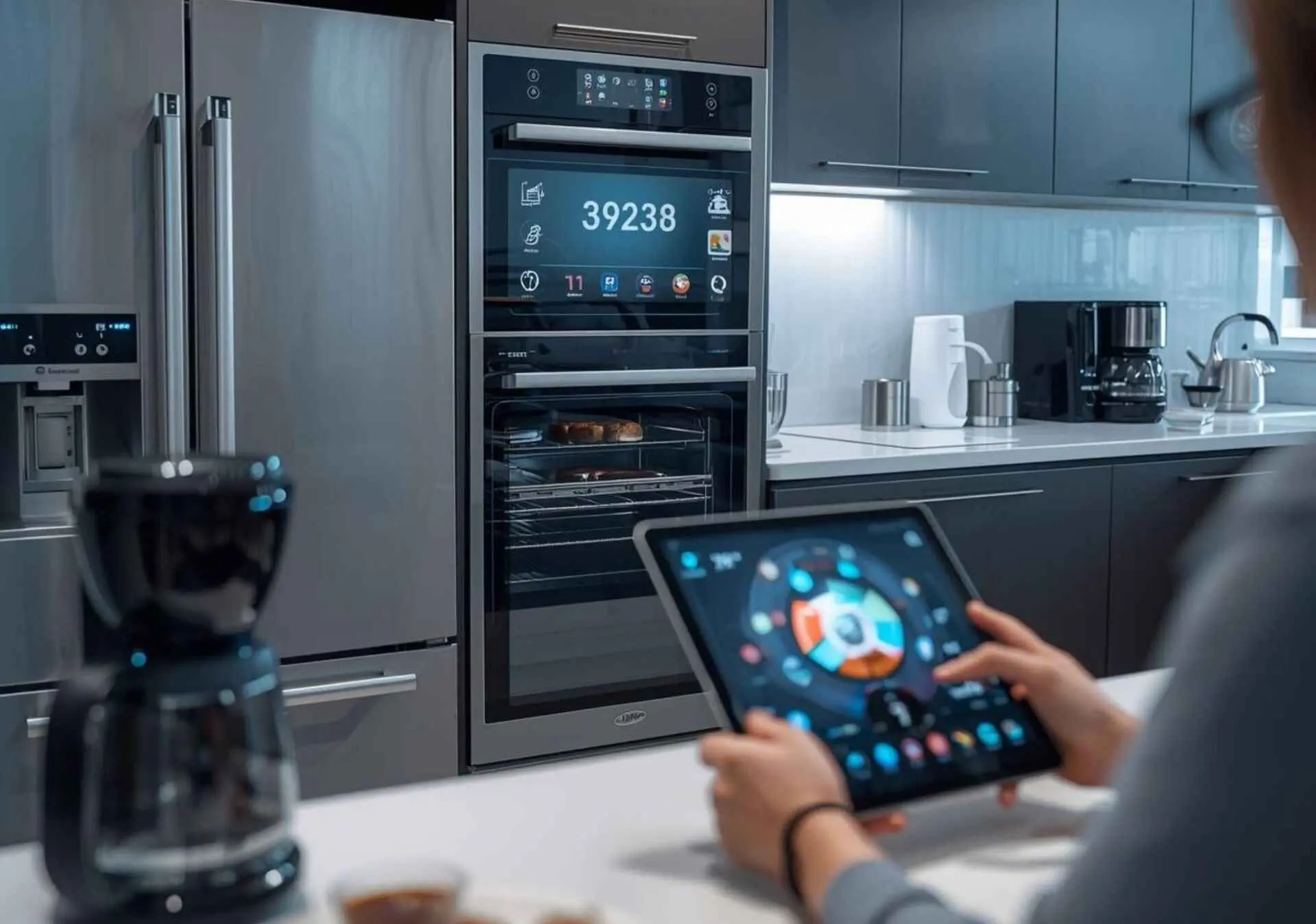
The integration of AI extends beyond recipe generation and into the core functionality of kitchen appliances. Smart ovens are now capable of adjusting cooking times and temperatures based on the type of food being cooked, ensuring perfect results every time. They can even detect when food is nearing completion and automatically switch to a warming mode.
Refrigerators are becoming increasingly intelligent, using AI to track inventory, suggest meal plans based on available ingredients, and even order groceries automatically. They can also monitor food spoilage and alert you when items are about to expire. This reduces food waste and saves money.
Dishwashers are also getting a smart upgrade, optimizing cleaning cycles based on the level of dirtiness and the type of dishes being washed. They can even detect leaks and alert you to potential problems. These features aren't just about convenience; they also contribute to energy efficiency.
The level of 'intelligence' varies. Some features are simply clever programming, while others rely on machine learning algorithms. The more advanced systems are capable of adapting to your cooking habits and learning your preferences. This personalization is key to maximizing the benefits of AI in the kitchen. I suspect energy savings will be a major selling point as these systems become more widespread.
Smart Oven Feature Comparison - CES 2026
| Brand | Self-Adjusting Temperature | Automated Recipe Following | Food Recognition | Remote Control | Energy Optimization |
|---|---|---|---|---|---|
| Bosch | Advanced | Advanced | Basic | Advanced | Basic |
| Samsung | Cutting Edge | Advanced | Advanced | Advanced | Advanced |
| LG | Advanced | Cutting Edge | Advanced | Basic | Advanced |
Illustrative comparison based on the article research brief. Verify current pricing, limits, and product details in the official docs before relying on it.
The Gadget Flow Perspective: Replacement or Assistance?
The Gadget Flow article raises a critical question: can AI replace human cooks? The author argues that while AI has the potential to automate many aspects of cooking, it’s unlikely to completely replace the human element. The article highlights the importance of creativity, intuition, and personal touch in culinary artistry – qualities that AI currently lacks.
The benefits of AI in the kitchen are undeniable: increased efficiency, reduced food waste, personalized recipes, and improved consistency. However, the article also acknowledges the potential drawbacks, including job displacement and the risk of losing traditional cooking skills. There’s a valid concern that relying too heavily on AI could stifle culinary innovation.
The author strikes a balanced tone, suggesting that AI is more likely to serve as an assistant to human cooks rather than a complete replacement. This aligns with the observations I made at CES 2026, where the most compelling demonstrations focused on AI as a collaborative tool. The idea is to empower cooks, not to eliminate them.
Ultimately, the future of cooking will likely involve a hybrid approach, combining the precision and efficiency of AI with the creativity and passion of human chefs. It’s about finding the right balance between automation and artistry. The article doesn’t shy away from the ethical considerations, recognizing the need to address potential job losses and ensure that culinary traditions are preserved.
AI Cooking: Pros & Cons
- Increased Efficiency - AI-powered appliances, like smart ovens and robotic assistants, can automate repetitive tasks, reducing cooking time and effort. This allows for faster meal preparation, particularly beneficial for busy individuals.
- Reduced Food Waste - Smart refrigerators and inventory management systems utilizing AI can track expiration dates and suggest recipes based on available ingredients, minimizing food spoilage and waste.
- Personalized Nutrition - AI algorithms can analyze dietary needs and preferences, creating customized meal plans and adjusting recipes to optimize nutritional intake. This is particularly useful for individuals with specific health concerns or dietary restrictions.
- Enhanced Recipe Discovery - AI-powered platforms can analyze vast databases of recipes and suggest new dishes based on user tastes, available ingredients, and desired cooking styles, broadening culinary horizons.
- Potential Job Displacement - The automation of cooking tasks through AI could lead to job losses in the food service industry, particularly for roles involving repetitive food preparation.
- Loss of Culinary Creativity - Over-reliance on AI-generated recipes and automated cooking processes might stifle culinary creativity and the development of unique cooking skills. Human intuition and experimentation could be diminished.
- High Initial Costs - Smart kitchen appliances and AI-powered systems often come with a significant upfront investment, making them inaccessible to some consumers. Gadget Flow notes this is a barrier to entry.
- Data Privacy Concerns - AI-powered kitchen tools often collect data about cooking habits and dietary preferences, raising concerns about data privacy and security. Safeguarding user information is crucial.
What Does This Mean for Home Cooks?
For the average home cook, the rise of AI-powered kitchen tools presents both opportunities and challenges. AI can make cooking more accessible, easier, and more enjoyable, particularly for those who lack confidence or experience. Personalized recipes, automated cooking processes, and smart appliances can take the stress out of meal preparation.
However, there’s also a risk of creating a new digital divide. Access to these technologies may be limited by cost, and those who are not tech-savvy may be left behind. It’s important to ensure that everyone has the opportunity to benefit from these advancements.
Certain skills will remain valuable, even in an AI-driven kitchen. The ability to understand flavors, adapt recipes, and troubleshoot problems will still be essential. Cooking is about more than just following instructions; it’s about creativity, intuition, and personal expression. Don’t abandon those skills.
My advice is to embrace these tools without losing sight of the joy of cooking. Use AI to augment your abilities, not to replace them. Experiment with new recipes, explore different techniques, and don’t be afraid to make mistakes. AI can be a powerful ally in the kitchen, but ultimately, the art of cooking is still in your hands. It’s about empowerment, not replacement, and I think that’s a message worth remembering as we move forward.
- Embrace the technology: Don't be afraid to experiment with AI-powered kitchen tools.
- Focus on fundamentals: Continue to develop your core cooking skills.
- Stay creative: Use AI as a starting point, but don't be afraid to personalize recipes and experiment with new flavors.
- Be mindful of the limitations: AI is not a substitute for human judgment and intuition.



No comments yet. Be the first to share your thoughts!