
Why make marshmallow fluff at home
Store-bought marshmallow creme is convenient, but it lacks the airy, cloud-like texture that defines a true fluffernutter. Commercial versions rely heavily on corn syrup and stabilizers to achieve shelf stability, resulting in a product that is often denser and stickier than its homemade counterpart. As noted in culinary history, the original New England classic debuted in 1918, relying on fresh, whipped egg whites rather than industrial preservatives to create its signature lightness.
Making marshmallow fluff from scratch gives you complete control over the texture and sweetness. You can whip the mixture until it holds stiff, glossy peaks that melt on the tongue, a quality impossible to replicate with a jarred spread. The result is a purer, more delicate confection that highlights the natural flavor of sugar and egg whites without the cloying aftertaste of high-fructose corn syrup.
While the process requires a few more steps than opening a jar, the difference in quality is immediate. The fresh fluff sets up quickly, offering a superior mouthfeel that transforms simple peanut butter sandwiches into a gourmet experience. This is the texture that inspired the original brand, recreated in your own kitchen with nothing but sugar, water, and egg whites.
Gather your ingredients
Before you start whipping, lay out everything you need. Marshmallow fluff relies on a few simple pantry staples, but having a stand mixer and a candy thermometer ready will keep the process smooth.
Ingredients
- 2 cups granulated sugar
- 1 cup light corn syrup
- 1 cup water
- 2 large egg whites
- 1/2 teaspoon vanilla extract
- Pinch of salt
Equipment
- Stand mixer with whisk attachment
- Candy thermometer
- Medium saucepan
- Rubber spatula
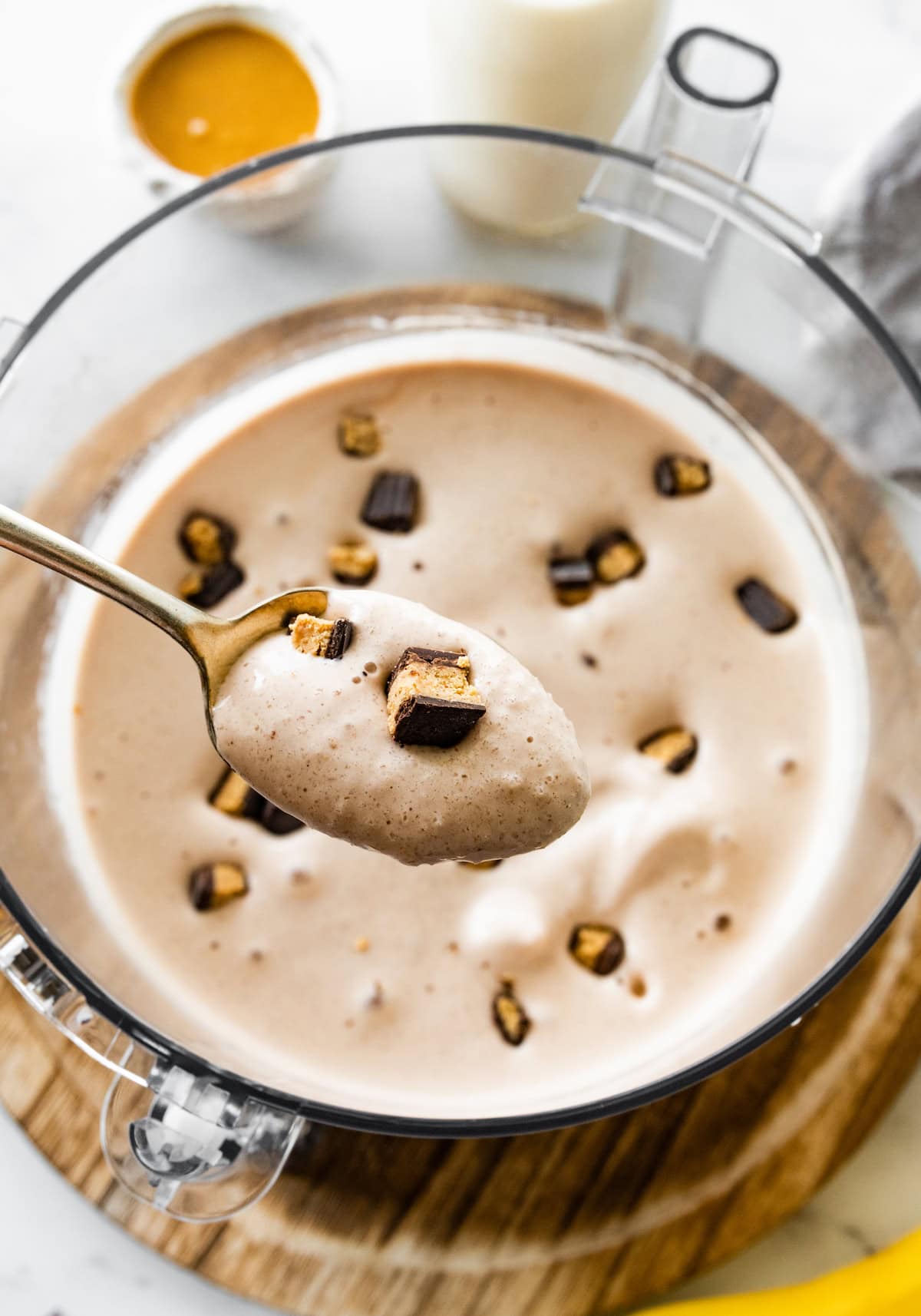
Cook the sugar syrup
The foundation of homemade marshmallow fluff is a hot sugar syrup. Unlike a standard meringue, this syrup provides the structure and stability that gives fluff its signature stretchy, sticky texture. You need to heat the sugar, water, and corn syrup mixture until it reaches the soft-ball stage.
This step requires patience and a candy thermometer. Corn syrup prevents the sugar from crystallizing, ensuring a smooth final product rather than a grainy mess. If you skip it, the syrup may seize or form crystals as it cools.
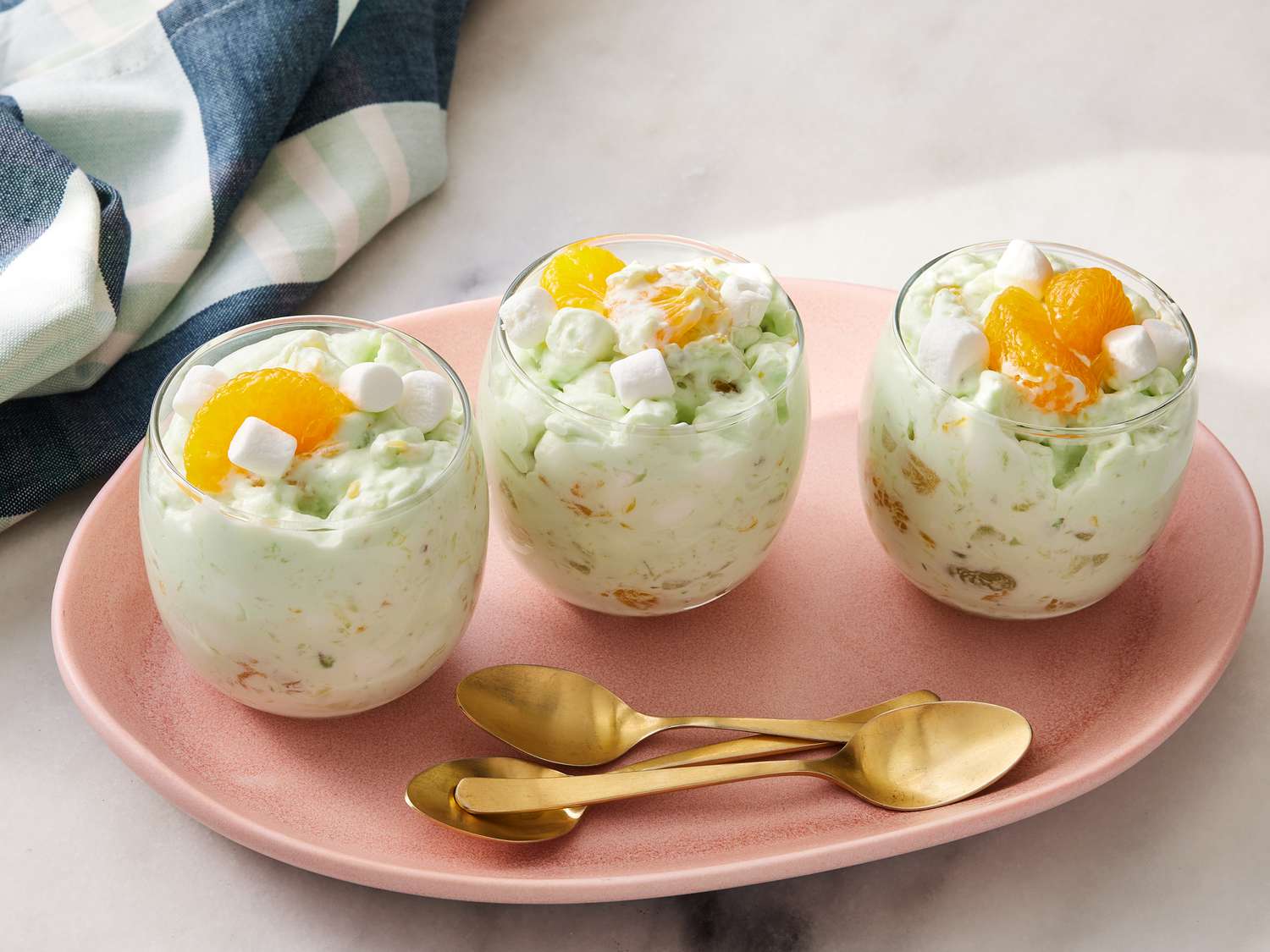
Add your granulated sugar, water, and light corn syrup to a heavy-bottomed saucepan. Stir gently just until the sugar is moistened. Avoid vigorous stirring once the mixture begins to boil, as this can encourage crystallization.
Place the saucepan over medium-high heat. Insert a candy thermometer, ensuring the tip is submerged in the liquid but not touching the bottom of the pan. Watch closely as the mixture bubbles vigorously. You are aiming for 240°F (115°C).
Once the syrup hits 240°F, it has reached the soft-ball stage. This is the critical precision point for marshmallow fluff. If the syrup is too cool, the fluff will be runny. If it is too hot, the texture will become tough and chewy rather than light and airy.
Remove the syrup from the heat immediately once it hits target temperature. Do not let it boil further. You will pour this hot syrup into your whipping egg whites in the next step to cook them safely and create the airy structure.
Whip the egg whites
This is the structural foundation of your marshmallow fluff. You are building an Italian meringue, which relies on whipping room-temperature egg whites into a stable foam before folding in hot sugar syrup. If the foam collapses here, the fluff will never set.
Use a stand mixer fitted with the whisk attachment. Start the whites on medium speed until they are frothy and opaque. This breaks up the surface tension and prepares the proteins for trapping air. Once frothy, add the granulated sugar slowly in a thin stream while increasing the speed to high. Continue whipping until the mixture is thick, glossy, and holds stiff peaks. The bowl should be invertible without the mixture sliding out.
Whip the egg whites and sugar on high speed until the mixture is thick, glossy, and holds stiff peaks. The meringue should look like smooth, white peaks that stand straight up when the whisk is lifted.
With the mixer running on low, slowly pour the hot sugar syrup (240°F/115°C) down the side of the bowl. Pour in a thin, steady stream to avoid cooking the eggs or splashing syrup on the bowl sides. This cooks the whites and stabilizes the foam.
Increase the speed to high and whip for 5–7 minutes. The bottom of the bowl should feel room temperature to the touch. This ensures the meringue is fully set and will hold its shape when you add the vanilla and marshmallow flavoring.
The visual cue for readiness is a glossy, smooth surface with no visible liquid sugar. If the peaks droop or look grainy, the syrup was too cool or poured too fast. If the mixture looks curdled, the syrup was too hot. Aim for a thick, marshmallow-like consistency that holds its shape when you lift the whisk.
Beat until fluffy and white
The final stage of making marshmallow fluff from scratch is purely mechanical. You have cooked the sugar syrup and whipped it into the eggs; now you must transform that dense, hot mass into a light, airy cloud. This process requires patience and a steady hand. The goal is to incorporate as much air as possible while the mixture cools, creating the signature glossy finish and stable structure of true marshmallow fluff.
1. Start on high speed
Attach the whisk attachment to your stand mixer. Turn the machine to high speed immediately. The mixture will initially look yellow and dense, resembling a thick custard. Do not stop. The friction from the whisk blades and the heat from the cooking syrup are working together to stabilize the egg proteins. You are essentially building a foam that will hold its shape.
2. Watch for the color shift
After about five minutes, you will notice a dramatic change. The mixture will lighten from a deep yellow to a pale, creamy white. This is the point of aeration. The bubbles are becoming smaller and more numerous, trapping air within the sugar-egg matrix. If you are using a hand mixer, this phase will take significantly longer—often 10 to 15 minutes of continuous whipping.
3. Check the bowl temperature
Touch the bottom of the mixing bowl. It should feel barely warm to the touch, or completely cool. If the bowl is still hot, the fluff will not hold its volume once transferred to a jar. If it is too warm, let the mixer run on high for another two minutes. The cooling process is critical; as the sugar syrup crystallizes slightly upon cooling, it sets the structure of the fluff.
4. Achieve the glossy finish
Once cool, the fluff should look like whipped cream or meringue. It will have a distinct sheen or gloss. If you lift the whisk, the fluff should form soft, billowy peaks that hold their shape for a moment before slowly settling. It should not look wet or separated. If it looks grainy, you may have under-whipped it or the syrup temperature was too low.
5. Transfer and store
Turn off the mixer. Scrape the sides of the bowl to ensure no dense pockets remain. Transfer the fluff immediately into clean, dry jars. It will continue to set slightly as it sits, becoming firmer over the next few hours. The homemade version is more delicate than commercial brands, so store it in the refrigerator if you plan to keep it for more than a day.
Common mistakes to avoid
Even with the right ingredients, marshmallow fluff can turn grainy or collapse if the technique slips. These are the most frequent pitfalls and how to fix them before the batch is ruined.
Grainy texture
Graininess usually comes from undissolved sugar or a syrup that boiled too hard. If you are making your own syrup, ensure the sugar is fully dissolved over low heat before the mixture reaches the soft-ball stage. If you are using store-bought marshmallow creme, ensure it is at room temperature before whipping. Cold creme resists aeration and creates lumps.
Collapsed or thin fluff
Fluff collapses when the egg whites are under-whipped or when the syrup is too cool. The syrup must hit 240°F (soft-ball stage) to properly cook the egg whites and create a stable foam. If the syrup is too cool, the egg whites will not set, and the fluff will weep liquid. If the syrup is too hot, it will scramble the eggs. Use a candy thermometer for accuracy.
Over-whipping
Whipping is necessary to incorporate air, but over-whipping makes the fluff stiff, dry, and difficult to spread. Stop the mixer as soon as the fluff holds soft peaks and looks glossy. It should look like thick, smooth clouds, not stiff meringue. If it becomes grainy or separated, you have likely whipped it too long.
Store and serve your homemade fluff
Keep your homemade marshmallow fluff in an airtight container in the refrigerator. The cold temperature helps maintain the airy structure and prevents the corn syrup and egg whites from breaking down too quickly. It will stay fresh for up to two weeks. If you prefer a softer texture for spreading, let it sit at room temperature for 15 minutes before using.
Marshmallow fluff is most famous for its role in the classic Fluffernutter sandwich. Spread a generous layer on one slice of bread and top with peanut butter on the other. The sweetness of the fluff balances the saltiness of the nuts perfectly. You can also use it as a dip for fresh fruit, a filling for thumbprint cookies, or a swirl in vanilla ice cream.
For a lighter dessert, fold small dollops of fluff into whipped cream or yogurt. It adds volume and sweetness without the heaviness of traditional frostings. Because it is less stable than commercial brands, avoid baking it at high temperatures for long periods; it will melt into a syrup. Instead, use it as a topping for pies, cakes, or hot cocoa after they have cooled slightly.
Frequently asked: what to check next
What is the difference between meringue and fluff?
Marshmallow fluff uses corn syrup to achieve its signature stability and stiff, sticky texture. Traditional Italian meringue relies solely on sugar and egg whites, resulting in a lighter, airier foam that is easier to spread but less dense than fluff.
Can I store homemade marshmallow fluff?
Yes, keep it in an airtight container in the refrigerator. It stays fresh for up to two weeks. The cold temperature helps maintain the structure created by the gelatin and corn syrup.
Can I freeze marshmallow fluff?
Freezing is not recommended. Ice crystals can break down the emulsion, causing the fluff to become grainy or watery when thawed. It is best enjoyed fresh or refrigerated for short-term storage.

No comments yet. Be the first to share your thoughts!