
Beyond Dragon Fruit: The 2026 Trend
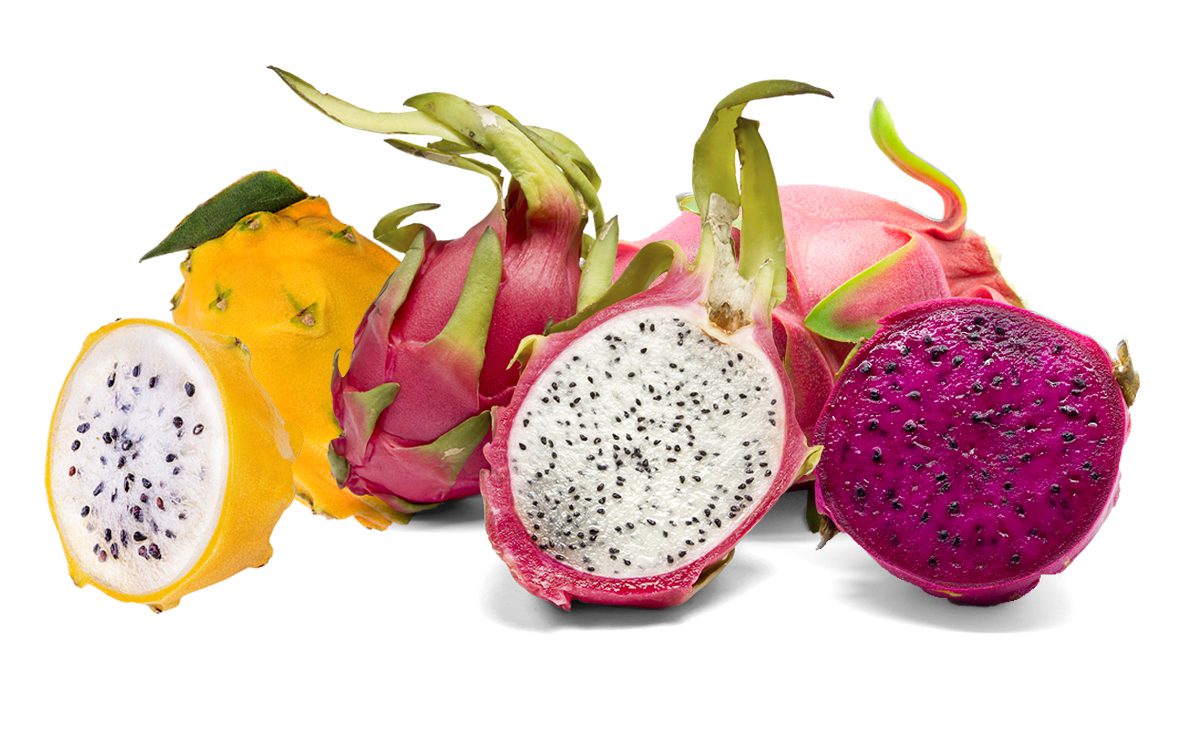
Dragon fruit had its moment, gracing smoothie bowls and cocktails. Now, in 2026, social media users are looking for the next exotic fruit to feature. While dragon fruit is still around, the constant demand for novelty on platforms like Instagram and TikTok means new fruits are always emerging.
Beyond looks, people are curious about global flavors, unique textures, and different nutritional benefits. Trends on Instagram and data from the UC ANR Small Farms Network show growing interest in less common fruits. Consumers want something new, shareable, and with a story.
This list covers six exotic fruits that are gaining attention online, offering alternatives to dragon fruit. These fruits are visually appealing, have interesting histories, complex flavors, and are becoming more available. The selection is based on social media analysis, agricultural reports, and current food trends.

Rambutan: The Hairy Lychee Cousin
Rambutan, often called the 'hairy lychee,' is a Southeast Asian fruit with soft, pliable spines that give it an unusual look. Native to Malaysia and Indonesia, it's now grown throughout Southeast Asia. Its red and green exterior is popular on TikTok and Instagram, often featured in fruit arrangements and snack videos.
Its flavor is very similar to lychee—sweet, slightly acidic, and refreshing, with a creamier texture. Rambutan is usually in season from August to October, though availability varies. It grows in bunches and is eaten fresh, in desserts, or savory dishes.
Peeling rambutan requires a small incision to remove the shell and reveal the white flesh. The spines are soft and harmless. Its popularity is growing due to its taste and the experience of preparing and eating it, which is well-suited for social media content.
Mangosteen: The 'Queen of Fruits'
Mangosteen, known as the 'Queen of Fruits,' has a long history in Southeast Asia, once favored by royalty. Its deep purple rind holds segments of juicy white flesh. The flavor is a balance of sweet and tangy, often compared to peach, strawberry, and vanilla.
Mangosteen is noted for its purported health benefits, especially its high concentration of xanthones, antioxidants discussed in wellness communities. While research is ongoing, the mention of xanthones adds to its appeal. However, finding a perfect mangosteen can be difficult.
The fruit is delicate and bruises easily, making long-distance transport difficult, which affects availability and price. Mangosteen is gaining traction on social media, with users sharing photos of its interior and recipes. 'Mangosteen unboxing' videos are also becoming more common, showing the excitement of receiving this fruit.
Durian: Love It or Hate It?
Durian is known for evoking strong reactions. This Southeast Asian fruit is famous for its pungent aroma, often compared to gym socks or sewage. It's a smell people tend to love or hate. Beneath its exterior, however, lies a complex flavor.
Despite the smell, durian has a creamy, custard-like texture and a flavor that blends savory, sweet, and almond notes. It is a staple in many Southeast Asian countries, considered a delicacy. Its presence on Western social media is growing, with foodies sharing their experiences.
To try durian, let it air out for a few minutes after opening to mellow the aroma. The flesh can be eaten on its own or used in dishes like ice cream or smoothies. Preparing durian involves cutting through its thick shell to extract the pods. This process can be rewarding.
Can You Handle Durian? A Flavor & Aroma Challenge
Durian, often called the 'King of Fruits', is captivating social media with its striking appearance…and its famously divisive aroma. But can *you* handle it? This quiz tests your tolerance for its unique flavor profile and potent smell. Answer honestly to discover your Durian Destiny!
Salak: The Snake Fruit's Texture
Salak, or snake fruit, is named for its reddish-brown, scaly skin. Native to Indonesia and Malaysia, this fruit is gaining popularity on Instagram for its appearance. Its texture is crisp and apple-like, with a slightly grainy quality.
Salak's flavor is a blend of sweet and acidic, with notes of pineapple and banana. It's eaten fresh, or used in jams, smoothies, and pickles. Salak is typically in season from December to March and is best chilled. The skin is tough to peel, but the texture and flavor are worth the effort.
Salak's visual appeal is a significant factor in its growing popularity. People are fascinated by its exterior and share photos and videos of peeling and tasting it. The fruit invites curiosity and interaction.
Cherimoya: Custard Apple's Delicate Flavor
Cherimoya, or custard apple, has an interesting history. Native to the Andes Mountains of South America, it's now grown in warmer climates like California and Spain. Mark Twain called cherimoya “the most delicious fruit known to men.”
undefined Cherimoya is a good source of vitamin C and fiber, making it a healthy and delicious treat. You eat the flesh around the black seeds—don't eat the seeds themselves!
Cherimoya is gaining traction on social media as people rediscover this ancient fruit. Its delicate flavor and unique texture are attracting attention from food bloggers and health enthusiasts alike. It's not as visually dramatic as some of the other fruits on this list, but its subtle elegance is part of its appeal.
Jackfruit: The Versatile Giant
Jackfruit is truly a remarkable fruit. It’s the largest tree-borne fruit in the world, often weighing between 10 and 60 pounds. Originating from South Asia, it’s now cultivated in tropical regions around the globe. What makes jackfruit particularly interesting is its versatility – it can be used in both sweet and savory dishes.
When unripe, jackfruit has a neutral flavor and a meaty texture, making it a popular meat substitute, particularly among vegans and vegetarians. It’s often used in tacos, pulled "pork" sandwiches, and curries. When ripe, jackfruit becomes sweet and fragrant, and can be eaten fresh or used in desserts. It's becoming increasingly accessible in Western supermarkets, often sold pre-cut or canned.
Here’s a simple recipe for jackfruit tacos: Sauté shredded unripe jackfruit with taco seasoning, onions, and peppers. Serve in tortillas with your favorite taco toppings. Jackfruit’s ability to mimic the texture of meat has made it a viral sensation online, with countless vegan recipes and cooking demonstrations circulating on social media. It’s a fantastic option for anyone looking to explore plant-based cuisine.
Where to Find These Fruits
Finding these exotic fruits can be a bit of an adventure, but it’s becoming easier as demand grows. Your best bet is to start at Asian supermarkets, which often carry a wide variety of tropical fruits. Specialty produce stores are another good option, as they tend to focus on unique and hard-to-find items.
Online retailers are also becoming increasingly popular for sourcing exotic fruits. However, be mindful of shipping costs and potential import restrictions. Seasonality will also play a role in availability. Fruits like rambutan and salak are typically in season during specific times of the year, so you may need to plan accordingly.
Availability can vary significantly depending on your location. Be prepared to pay a premium for some of these fruits, as they are often imported and can be difficult to transport.
Exotic Fruit Comparison: Availability, Cost, & Preparation
| Fruit | Availability | Price | Preparation Difficulty | Flavor Profile |
|---|---|---|---|---|
| Rambutan | Moderate | Medium | Easy | Sweet, slightly acidic, similar to lychee |
| Mangosteen | Difficult | High | Moderate | Tangy, sweet, and floral with a juicy texture |
| Salak (Snake Fruit) | Moderate | Medium | Moderate | Sweet and acidic with a nutty flavor and crisp texture |
| Cherimoya | Moderate | Medium | Moderate | Custard-like, sweet with hints of banana, pineapple, and strawberry |
| Jabuticaba | Difficult | High | Moderate | Grape-like, sweet, and slightly acidic. Often eaten fresh off the tree. |
| Buddha’s Hand Citron | Difficult | High | Easy | Mildly sweet, floral aroma, zest is used more than the pulp |
| Ackee | Moderate | Medium | Challenging | Mild, nutty when cooked properly; *must* be fully ripe to avoid toxicity |
Illustrative comparison based on the article research brief. Verify current pricing, limits, and product details in the official docs before relying on it.




No comments yet. Be the first to share your thoughts!