
Dragon Fruit's 2026 Moment
Dragon fruits are everywhere on TikTok and Instagram. What started as a small trend in late 2025 has become a massive obsession in early 2026, with posts getting millions of views. It's not just the taste; it's the visual appeal. The bright colors, the contrast between skin and flesh, and the speckled seeds when cut open make them perfect for sharing.
Dragon fruit, or pitaya, has been grown for centuries in Central and South America. It was once a local delicacy, but its introduction to Asian markets and Western social media has made it globally popular. Availability used to be a problem, but increased imports and domestic growing, especially in Florida after a mild winter, have made it easier to find.
This popularity surge is likely due to influencer marketing and better availability. Food bloggers and health enthusiasts like the fruit for its perceived health benefits and looks. With more varieties available, there's always new content. Here are seven varieties taking over social media.
The Seven Trending Varieties
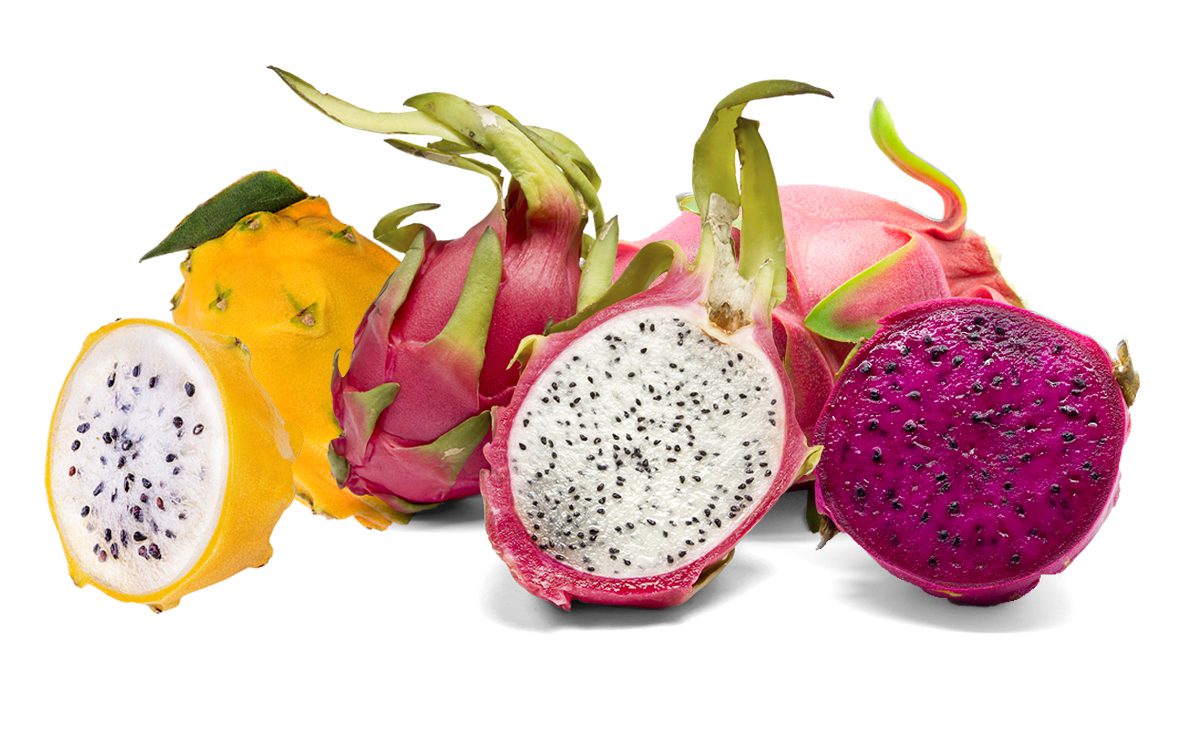
Dragon fruit varieties are diverse. The common red-skinned, white-fleshed type is no longer the only option. Many new varieties offer different flavors and looks, fueling social media interest.
Ruby Red Dragon Fruit: This classic variety remains popular with bright pink skin and white flesh speckled with black seeds. Its subtly sweet flavor, like pear and kiwi, makes it a crowd-pleaser. It looks great in smoothie bowls, a common sight on Instagram.
White Flesh Dragon Fruit: Also known as 'Hylocereus undatus', this variety has yellow skin and white flesh. Its milder, almost neutral flavor is ideal for those who prefer less sweetness. It's popular for its delicate taste and clean look, often seen in minimalist food photos.
Yellow Dragon Fruit (Hylocereus undatus): This fruit can have a pinkish hue. Its thicker skin and sweeter, honey-like flavor make it stand out. It's popular on TikTok for the dramatic reveal when cut open, with bright yellow flesh that's a showstopper.
Pink Flesh Dragon Fruit: This variety is gaining popularity for its bright color and slightly tart flavor. The pink flesh contrasts beautifully with pink or yellow skin. It's often used in layered desserts and cocktails.
Chocolate Dragon Fruit: The Chocolate Dragon Fruit is a new hybrid with deep reddish-purple skin and dark pink flesh that has a subtle chocolatey undertone. Its rarity adds to its social media appeal. People are surprised by the flavor, and their reactions are popular with content creators.
Purple Dragon Fruit: The Purple Dragon Fruit has deep purple skin and magenta flesh. Its flavor is similar to ruby red but with a more floral aroma. It's a favorite for naturally colored smoothies and desserts, with an intense color that needs no filter.
Vietnamese Dragon Fruit: Vietnamese Dragon Fruit is often larger and rounder, with bright pink skin and white flesh. It has high water content and mild sweetness. It's a staple in Asian markets and gaining popularity in the US for its affordability and size, making it good for sharing and photographing.
Growing Your Own: A Quick Guide
Growing your own dragon fruit is possible, even outside tropical climates. Dragon fruit are resilient cacti but have specific needs. They require a warm climate (65°F-80°F) and at least six hours of sunlight daily.
Use well-draining, sandy loam soil, as dragon fruit dislike wet conditions that cause root rot. Starting from seed is slow; cuttings are faster and more reliable. Ensure cuttings are at least a foot long and let them callous for a few days before planting.
Water deeply but infrequently, letting the soil dry between waterings. Fertilize with a balanced cactus fertilizer during the growing season. Dragon fruit vines need support from a sturdy trellis or post, as they grow long and heavy. Manage common problems like fungal infections and aphids with organic pesticides.
Dragon fruit plants take several years to mature and produce fruit. The reward of fresh, homegrown dragon fruit is worth the effort.
Beyond Smoothies: Recipe Ideas
Beyond delicious smoothies, dragon fruit's unique flavor and color work in many creative recipes. Here are a few options.
Dragon Fruit Salsa: Combine diced dragon fruit (any variety), mango, red onion, jalapeno, cilantro, and lime juice. This refreshing salsa pairs well with grilled fish or chicken.
Dragon Fruit and Coconut Panna Cotta: This elegant dessert is easy to make. Blend dragon fruit puree with coconut milk, sugar, and gelatin, then chill until set. The bright color and delicate flavor are a winning combination.
Dragon Fruit Sorbet: Blend frozen dragon fruit chunks with lime juice and agave nectar. Process in an ice cream maker until smooth and creamy. This light, refreshing treat is perfect for a hot day.
Dragon Fruit Salad with Lime and Mint: Combine cubed dragon fruit with chopped mint, lime juice, and chili flakes for a touch of heat.
Sourcing and Storage Tips
Dragon fruit is easier to find now, but still requires some effort. Asian grocery stores offer the best selection. Mainstream supermarkets often have them during peak season (summer and fall). Online retailers are an option, but shipping can be expensive.
When selecting a dragon fruit, look for bright, evenly colored skin. Gently squeeze the fruit – it should have a slight give, similar to a ripe avocado. Avoid fruits with bruises or soft spots. To store dragon fruit, keep it in the refrigerator for up to a week. Cut dragon fruit should be stored in an airtight container and consumed within a few days.
As with any fresh produce, it’s important to wash the fruit thoroughly before cutting. While dragon fruit is generally safe to eat, proper hygiene is always recommended.
Social Buzz: What People Are Saying
The proof is in the pudding – or, in this case, the TikTok feed. Dragon fruit is everywhere online. A quick search for #dragonfruit on TikTok yields millions of views, with videos showcasing everything from stunning smoothie bowls to creative recipes and satisfying cutting reveals.
On Instagram, the hashtag #dragonfruit is equally popular, with a constant stream of beautifully styled photos. People are captivated by the fruit’s unique appearance and vibrant color. Here's a snippet of what people are saying: “I never knew fruit could look so cool!” and “This is the prettiest fruit I’ve ever seen. And it tastes amazing!”.
One TikTok user, @foodieadventures, posted a video of a Chocolate Dragon Fruit being cut open, racking up over 500,000 views. The comments section is filled with people expressing their shock and awe at the fruit’s color and flavor. The social media buzz is undeniable, and it's driving demand for these exotic fruits.





No comments yet. Be the first to share your thoughts!