
The 2026 fruit forecast
The produce aisle is finally getting weird. While apples and bananas are fine, 2026 is about the stuff that used to require a passport to find. Between more people traveling and a genuine boredom with standard grocery staples, these fruits are moving from specialty markets to the mainstream.
People are actively seeking out new culinary experiences, and fruits that offer unique tastes and textures are at the forefront. This isn't just about novelty, though. Many of these fruits boast impressive nutritional profiles, adding another layer of appeal. Over the next year, expect to see seven fruits in particular gaining significant traction – popping up in everything from lattes to tacos and beyond.
I've been watching seven specific fruits move from novelty status to kitchen staples. They're showing up in everything from morning lattes to late-night tacos, changing the baseline for what we expect from the fruit bowl.

Dragon fruit: more than just a pretty face
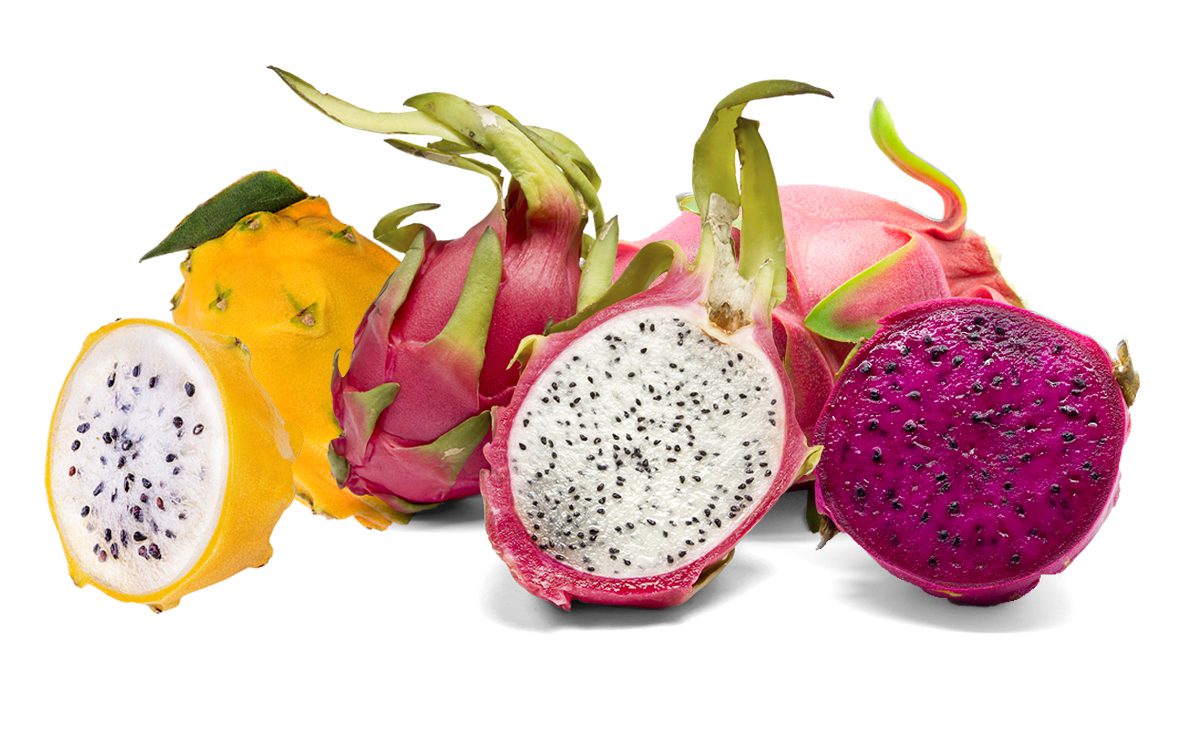
Dragon fruit, or pitaya, has already gained a strong following thanks to its striking appearance. Originally from Central America, it’s now cultivated in Southeast Asia and parts of the United States. There are several varieties, each with a slightly different flavor and appearance. You’ll find white-fleshed dragon fruit, which is milder and sweeter, red-fleshed varieties with a more pronounced sweetness, and even yellow-fleshed options, often considered the most flavorful.
The flavor itself is often described as a cross between a kiwi and a pear, with a subtle sweetness. Beyond its beautiful presentation, dragon fruit is packed with nutrients, including vitamin C, fiber, and antioxidants. But its visibility extends well beyond the fruit bowl. Dragon fruit is increasingly being used in beverages. You’ll now find dragon fruit lattes at coffee shops like Starbucks, smoothies, and vibrant juices becoming commonplace.
It’s also finding its way into desserts – sorbets, mousses, and even cheesecakes. Surprisingly, dragon fruit can even work in savory applications, adding a subtle sweetness and visual appeal to salsas and salads. However, the sustainability of dragon fruit farming is something to consider. Some regions face challenges with water usage and pesticide application. Look for fruit from farms committed to responsible growing practices.
Here’s a simple recipe to get you started: Dragon Fruit Smoothie. Blend 1 cup frozen dragon fruit chunks, ½ a banana, ½ cup coconut water, and a squeeze of lime juice. Enjoy immediately!
Jackfruit: the plant-based heavy hitter
Jackfruit is the heavy lifter here because it actually mimics meat texture. You have to pick the right one, though. Ripe jackfruit is sweet and belongs in a smoothie, but the unripe, 'young' version is neutral and shreds like pork. That’s the one you want for a taco.
You’ll find jackfruit taking center stage in tacos, pulled "pork’ sandwiches, and curries. The texture really is remarkable – it shreds just like pulled pork and absorbs flavors beautifully. Nutritionally, jackfruit is a good source of fiber and contains some protein, though it"s not a complete protein like meat. It also provides vitamins and minerals, like vitamin C and potassium.
The convenience factor is also driving its popularity. More and more brands are offering pre-prepared jackfruit products – canned in water or brine, pre-seasoned, and even pre-shredded. This makes it incredibly easy to incorporate into weeknight meals. Companies like Upton’s Naturals and The Jackfruit Company are leading the way in this space. It’s a fantastic option for vegetarians, vegans, and anyone looking to reduce their meat consumption.
Rambutan and lychee
Rambutan and lychee often get grouped together, and for good reason. Both are native to Southeast Asia and share a similar appearance – small, round fruits covered in a bumpy or scaly shell. Rambutan is covered in soft, hair-like spines, while lychee has a smoother, reddish shell. Peeling them reveals a translucent white flesh.
The flavor profiles are distinct, though. Lychee is known for its floral aroma and sweet, slightly tart flavor. Rambutan, on the other hand, has a more subtly sweet and slightly acidic taste. Both are traditionally eaten fresh, often peeled and enjoyed as a snack. They’re also popular in desserts, cocktails, and salads.
In Southeast Asian cuisine, you’ll find them used in fruit salads, shaved ice desserts, and refreshing drinks. Regional variations exist in how they’re prepared. In some areas, rambutan is steamed before being eaten, while lychee is often used to infuse teas and syrups. They’re best enjoyed during their short peak season, typically in the summer months.
The mangosteen hype
Mangosteen has earned the nickname 'Queen of Fruits' for a reason. It’s historically been highly prized, even considered a delicacy reserved for royalty. Originating in Southeast Asia, it’s known for its beautiful, deep purple rind and segments of juicy, white flesh. The flavor is truly unique – a delicate balance of sweet and tangy, with hints of peach, strawberry, and vanilla.
Beyond its exquisite taste, mangosteen is also touted for its potential health benefits. It’s rich in xanthones, a class of plant compounds with antioxidant and anti-inflammatory properties. While more research is needed, some studies suggest xanthones may play a role in preventing chronic diseases.
However, getting your hands on mangosteen can be challenging. It’s a delicate fruit that doesn’t travel well and has a limited growing season. Importing it can be expensive, which is why it’s often found in high-end restaurants and juice bars. As demand increases, we may see more sustainable sourcing options emerge, but for now, it remains a relatively rare and luxurious treat.
Passion fruit's tropical punch
Passion fruit offers a burst of tropical flavor with a distinctive tartness. There are several varieties available, including purple passion fruit, yellow passion fruit, and giant granadilla. Purple passion fruit is the most common, known for its intensely aromatic pulp and numerous small, edible seeds. Yellow passion fruit is larger and less acidic.
The flavor is intensely aromatic and tangy, making it a perfect addition to juices, desserts, and sauces. It’s incredibly versatile, working well in both sweet and savory applications. Passion fruit mousse, passion fruit curd, and passion fruit vinaigrette are just a few examples of its culinary potential.
We’re also seeing passion fruit increasingly used as a flavor component in craft beverages and cocktails. Its vibrant flavor and aroma add a unique twist to everything from seltzers to margaritas. It’s a fruit that adds a lot of punch with relatively little needed.
Starfruit
Starfruit, or carambola, is instantly recognizable thanks to its distinctive five-pointed star shape when sliced. Native to Southeast Asia, it has a mild, slightly tart flavor that’s refreshing and subtly sweet. The texture is crisp and juicy.
It’s often enjoyed fresh as a snack, added to fruit salads, or used as a garnish. Starfruit can also be incorporated into salads, adding a visually appealing element and a subtle tartness. It’s a good source of vitamin C and fiber, and contains antioxidants.
A quick warning: starfruit contains caramboxin. If you have kidney issues, this neurotoxin is dangerous. Skip this one and talk to a doctor if you're unsure.
Exotic Fruit Comparison: Projected Trends for 2026
| Fruit | Ease of Preparation | Flavor Profile | Recipe Versatility | Cost (Relative) |
|---|---|---|---|---|
| Dragon Fruit | Medium - requires peeling/segmenting | Mildly Sweet | High - smoothies, desserts, beverages | Moderate |
| Rambutan | Medium - requires peeling to remove spiky exterior | Sweet & Slightly Tart | Medium - fresh eating, salads, desserts | Moderate to High |
| Mangosteen | Medium - requires careful segmenting | Sweet & Tangy | Medium - fresh eating, juices, desserts | High |
| Jackfruit | High - canned jackfruit is readily available; fresh requires more effort | Mildly Sweet/Savory (when unripe) | Very High - meat substitute, desserts, snacks | Moderate |
| Durian | High - requires specific cutting techniques | Strong, Savory & Sweet | Medium - desserts, custards, savory dishes (regional) | High |
| Buddha’s Hand Citron | Low - primarily zest/peel used, requires careful preparation | Highly Aromatic, Not Juicy | Medium - candied peel, flavoring, perfumes | High |
| Salak (Snake Fruit) | Medium - requires peeling, skin is textured | Sweet & Acidic | Medium - fresh eating, preserves, desserts | Moderate to High |
Qualitative comparison based on the article research brief. Confirm current product details in the official docs before making implementation choices.




No comments yet. Be the first to share your thoughts!