
The 2026 shift
The Mediterranean diet, often lauded for its health benefits and delicious flavors, isn't a static set of rules. It’s a living culinary tradition, and in 2026, we’re seeing a fascinating evolution unfold, particularly within Greece and Italy. For decades, the core principles – abundant fruits and vegetables, whole grains, lean proteins, and healthy fats – have remained constant, but the way those principles are expressed is changing. This isn’t about discarding tradition, but about building upon it, adapting to new realities and embracing innovation.
Historically, the Mediterranean diet emerged from the eating patterns of people living around the Mediterranean Sea, particularly in the 1950s and 60s. Ancel Keys’ Seven Countries Study, published in 1970, first brought widespread attention to the remarkably good health of these populations. But the Mediterranean of today is different than the one Keys studied. Climate change, globalization, and a renewed focus on sustainability are all playing a role in shaping what we’ll be eating in the coming years.
The shift isn’t a rejection of core ingredients like olive oil, but rather a refinement and expansion of how they’re used. Chefs and home cooks alike are becoming more experimental, pushing boundaries while still honoring the fundamental tenets of the diet. We're seeing a greater emphasis on seasonality, local sourcing, and techniques that maximize flavor and minimize waste. It's a dynamic period, and it promises a more exciting and nuanced Mediterranean culinary experience.
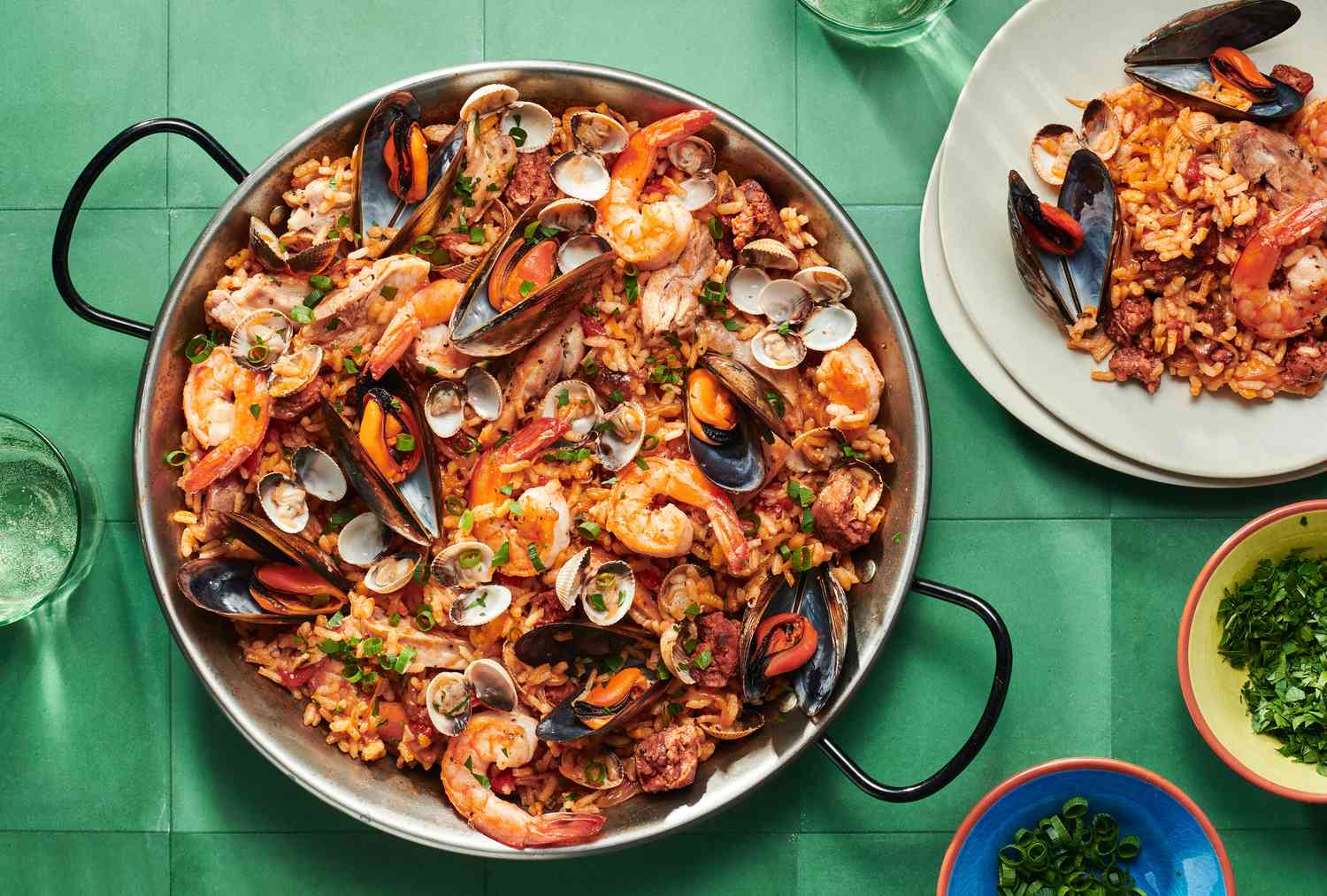
Fermentation in Greek kitchens
For centuries, Greeks have relied on preservation techniques like fermentation, pickling, and curing to extend the life of seasonal produce. But in 2026, these methods aren't merely about preservation—they’re front and center for flavor development. Chefs are utilizing fermentation in surprising ways, from incorporating fermented grape must into savory sauces to creating complex brines for aging meats and vegetables.
Consider the use of petimezi, a grape molasses made from fermented grape must. Traditionally used as a sweetener, it’s now appearing in glazes for roasted lamb or as a component in vinaigrettes. Preserved lemons, a staple in many Mediterranean pantries, are being finely grated and used to brighten up seafood dishes or added to yogurt sauces. These aren't simply enhancements; they’re fundamental flavor builders.
Foraging is back. Wild greens (horta), mushrooms, and mountain herbs are no longer just peasant food; they are staples in high-end Athens kitchens. This move toward wild plants fits the broader shift back to legumes and pulses. It is a return to Greek roots without the heavy reliance on meat that defined the last few decades.
This isn’t just a culinary trend; it’s a cultural one. The focus on fermentation and foraging speaks to a desire for authenticity and a deeper understanding of food origins.
Italian Pasta: Beyond Semolina
Italian pasta is arguably the world’s most beloved carbohydrate, and in 2026, it’s undergoing a quiet revolution. While durum wheat semolina remains the standard, chefs and pasta makers are increasingly experimenting with alternative flours and milling techniques to create pasta with unique textures and flavors. This extends beyond simply offering gluten-free options.
Grains like farro and spelt are replacing standard semolina to give pasta a nuttier bite. Some kitchens are even using vegetable purees—like beetroot or pumpkin—directly in the dough. This adds a specific earthy sweetness that you don't get from traditional wheat.
Regional variations are key. In Puglia, you'll find a strong tradition of using durum wheat, but with a focus on slow drying and artisanal production. Emilia-Romagna, known for its egg-rich pasta, is embracing new milling techniques to create a smoother, more delicate texture. The rise of small-batch 'pasta makers’ – artisans dedicated to quality and innovation – is driving this trend, offering consumers a wider range of choices and a more authentic experience.
Sustainable seafood
Both Greek and Italian cuisines are deeply rooted in seafood, but the future of this tradition depends on sustainable practices. Growing awareness of overfishing and the impact of aquaculture is driving a shift towards responsible sourcing and innovative cooking techniques.
Chefs are increasingly embracing lesser-known species, promoting biodiversity and reducing pressure on popular fish stocks. The move towards "whole-fish cookery" – utilizing every part of the fish, from the bones for stock to the skin for crispy snacks – is gaining traction, minimizing waste and maximizing flavor. This approach reflects a respect for the resource and a commitment to minimizing environmental impact.
Aquaculture plays a complex role. While it can alleviate pressure on wild fish populations, it also comes with its own set of challenges, including environmental concerns and potential impacts on wild ecosystems. Responsible aquaculture practices, such as closed-loop systems and sustainable feed sources, are crucial for ensuring the long-term viability of seafood as a dietary staple. The U.S. National Oceanic and Atmospheric Administration (NOAA) provides valuable resources on sustainable seafood choices.
Common Mediterranean Fish: Sustainability & Culinary Profile (2026)
| Fish Name | Region | Sustainability Rating | Flavor Profile | Best Cooking Method |
|---|---|---|---|---|
| European Seabass | Greece/Italy | Good | Mild, slightly sweet, clean | Grilling, Baking, Pan-Seared |
| Gilthead Seabream | Greece/Italy | Good | Delicate, slightly nutty flavor | Grilling, Roasting, Steaming |
| Red Mullet | Italy | Fair | Distinctive, slightly sweet, firm texture | Pan-Fried, Grilled |
| Sardines | Greece/Italy | Good | Strong, oily, savory | Grilled, Marinated, Canned |
| European Hake | Italy | Fair | Mild, flaky, and slightly sweet | Baking, Poaching, Stewing |
| Common Pandora | Greece | Fair | Mild, delicate, and slightly sweet | Pan-Fried, Grilled, Steamed |
| Anchovies (European) | Italy | Good | Salty, umami-rich, pungent | Marinated, Salt-Cured, Grilled (briefly) |
Illustrative comparison based on the article research brief. Verify current pricing, limits, and product details in the official docs before relying on it.
New olive varieties
Olive oil is the cornerstone of the Mediterranean diet, but even this ancient ingredient is experiencing innovation. While extra virgin olive oil from established cultivars like Koroneiki and Arbequina remains highly prized, there’s growing exploration of lesser-known olive varieties and the impact of climate change on olive growing.
Climate change is forcing growers to adapt, experimenting with different cultivars that are more resilient to drought or heat. This is leading to the rediscovery of ancient olive varieties that were once widely cultivated but have fallen into disuse. Single-varietal olive oils, showcasing the unique flavor profiles of each cultivar, are becoming increasingly popular, allowing consumers to appreciate the nuances of olive oil in a new way.
New extraction techniques, such as cold infusion and nitrogen flushing, are also being employed to preserve the delicate aromas and flavors of the olives. Infused olive oils, while not a new concept, are becoming more sophisticated, with chefs experimenting with a wider range of herbs, spices, and other flavorings.
Mediterranean Flavors in Unexpected Places
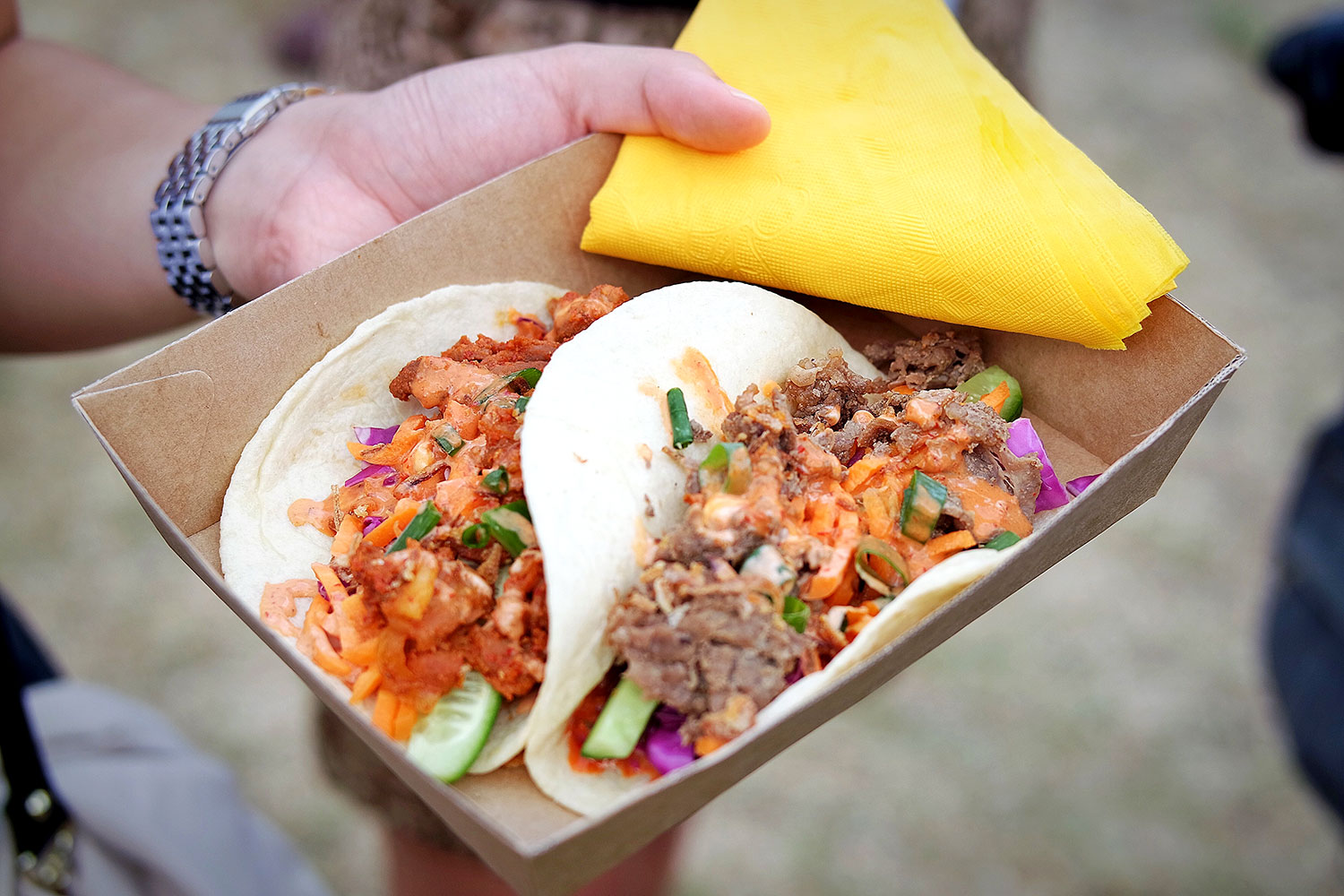
The influence of Mediterranean flavors is extending far beyond the shores of the Mediterranean Sea. Chefs around the world are incorporating Mediterranean ingredients and techniques into their own culinary traditions, demonstrating the diet’s adaptability and global appeal. This isn’t about creating fusion cuisine, but about finding harmonious combinations and enhancing existing flavors.
In Japan, chefs are using preserved lemons to brighten up delicate seafood dishes, adding a unique citrusy note. In Mexico, olive oil and Mediterranean herbs are being incorporated into traditional mole sauces, creating a complex and flavorful twist. Even in the United States, Mediterranean-inspired dishes are appearing on menus across the country, from California-style pizzas topped with feta and olives to Middle Eastern-influenced mezze platters.
This cross-cultural exchange is enriching culinary landscapes and introducing new audiences to the health benefits and delicious flavors of the Mediterranean diet. It shows that the principles of the diet – fresh, seasonal ingredients, healthy fats, and simple preparations – can be applied to any cuisine, anywhere in the world.
The Instagram account 'Want my FREE guide with 30 Mediterranean diet recipes to get you..' showcases examples of this global influence, with chefs from diverse backgrounds sharing their interpretations of Mediterranean flavors.


No comments yet. Be the first to share your thoughts!