
K-Mex Rising: A Flavor Collision
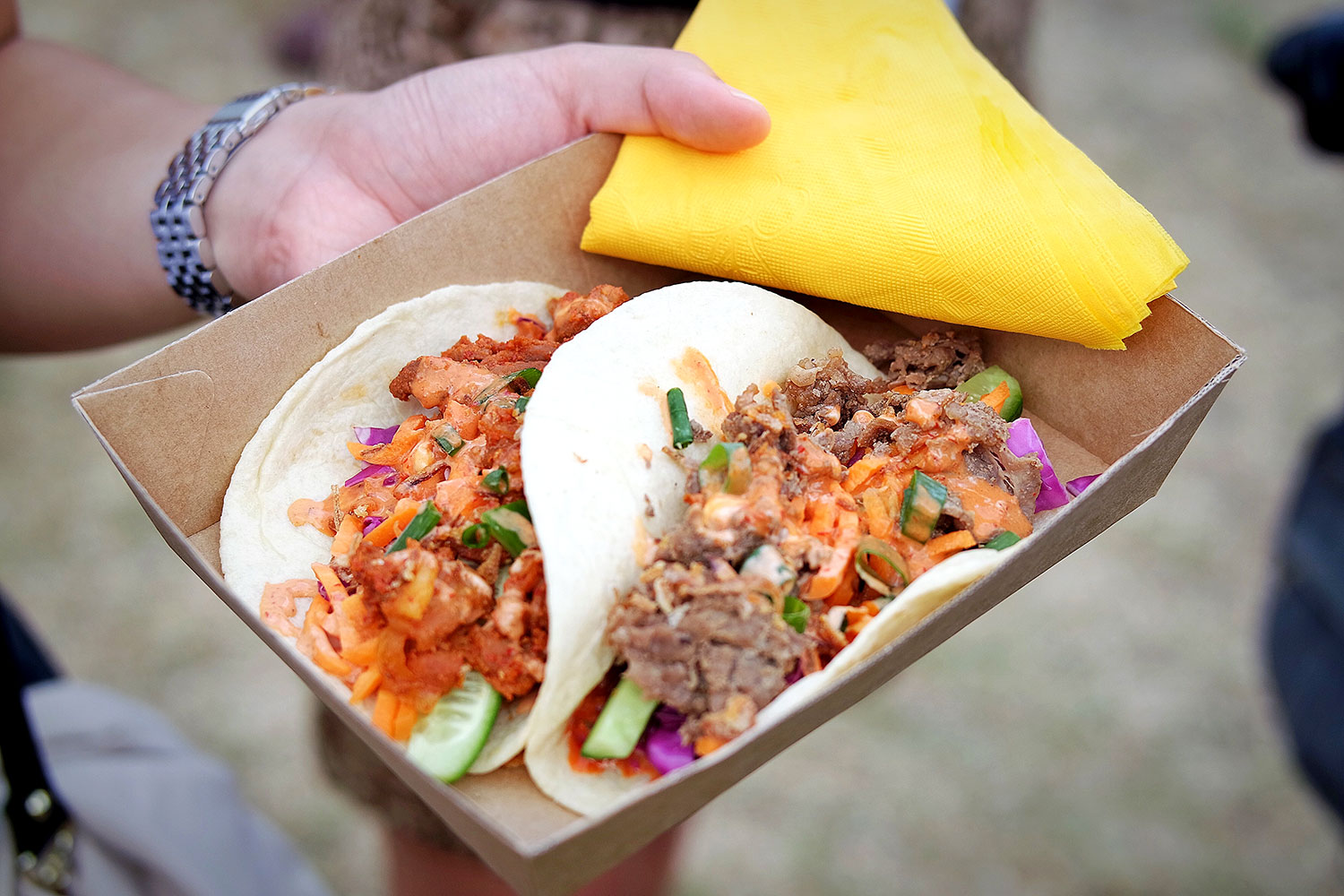
Korean tacos and kimchi quesadillas seemed unlikely just a few years ago. Now, this fusion is everywhere, popping up on menus from Los Angeles to New York and gaining serious traction. The combination feels surprisingly natural.
Early adopters, often food truck operators and small restaurants in cities with large Korean and Mexican communities, started experimenting with these flavors. They were simply cooking what tasted good, drawing from their own backgrounds and available ingredients. What started as a local phenomenon has now moved into the mainstream.
Culinary fusion isn’t new; think of Italian-American cuisine or Vietnamese-French banh mi. The current wave of K-Mex feels different, though. It’s a collision of bold, umami-rich flavors that complement each other in a surprising and satisfying way.
The Miami Hotspot: A Case Study
Miami is leading the K-Mex charge. According to Yelp’s 2026 rankings, Miami has the highest concentration of dedicated Korean-Mexican fusion restaurants in the US. The city’s diverse population and active food scene provide fertile ground for culinary innovation.
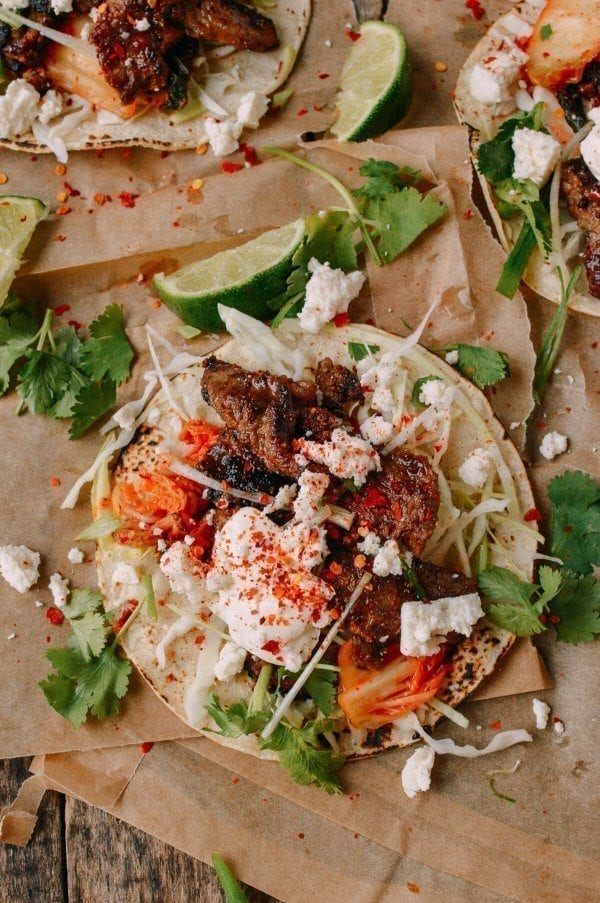
Take, for example, "Kimchi Taco Shack’ in Little Havana. It’s a tiny, unassuming spot with lines out the door. Their signature dish – the Bulgogi Taco, featuring marinated beef, kimchi slaw, and a drizzle of gochujang aioli – offers excellent flavor balance. The vibe is casual, prices are reasonable, averaging around $12 a taco. It"s a place to grab a quick, delicious bite.
Then there's 'Seoul Caliente' in Wynwood, a more upscale experience. They specialize in Korean BBQ-inspired Mexican dishes, like short rib carnitas and a spicy pork belly burrito. The restaurant is sleek and modern, with a lively atmosphere. Expect to spend closer to $25-$35 per entree. It's a destination for a night out, rather than a quick lunch. Finally, 'Han Dynasty Cantina,' a spot geared toward late-night crowds, is known for its kimchi fries and tequila selection.
Beyond Tacos: 5 Recipes Defining 2026
While Korean tacos are the gateway for many, K-Mex is far more than just a single dish. Here are five recipes gaining momentum, shaping this fusion cuisine.
Gochujang Glazed Ribs with Elote: This dish takes classic Korean BBQ ribs and elevates them with a sweet, spicy, and umami-rich gochujang glaze. Served alongside Mexican street corn (elote), the combination of smoky ribs, creamy corn, and a fiery kick is irresistible. The sweetness of the glaze plays beautifully against the tang of the elote.
Bibimbap Burrito: A playful twist on two beloved classics. Seasoned rice, sautéed vegetables, marinated beef (or tofu), and a fried egg are all wrapped in a large flour tortilla. A drizzle of gochujang sauce and a sprinkle of sesame seeds complete the experience. It’s a substantial, satisfying meal that’s perfect for on-the-go.
Kimchi Fried Rice with Chorizo: Kimchi fried rice gets a Mexican makeover with the addition of spicy chorizo. The fermented tang of the kimchi is balanced by the smoky, savory chorizo, creating a complex and flavorful dish. A fried egg on top is non-negotiable. The key here is using a good quality kimchi and chorizo – the flavor base of the entire dish.
Doenjang-Marinated Chicken Tinga Tostadas: This recipe substitutes the traditional adobo marinade for a savory and funky doenjang (Korean fermented soybean paste) marinade. The chicken is shredded and served on crispy tostadas with refried beans, lettuce, and a drizzle of crema. It's a surprisingly harmonious blend of flavors.
Kimchi Queso Fundido with Bulgogi: A decadent appetizer featuring melted cheese (Monterey Jack or Oaxaca work well) infused with kimchi and topped with marinated bulgogi. Served with tortilla chips for dipping, it’s a crowd-pleaser that showcases the complementary nature of Korean and Mexican flavors. The spice of the kimchi cuts through the richness of the cheese.
The Gochujang Factor: Umami's New Best Friend
At the heart of much of this fusion lies gochujang, a fermented Korean chili paste. It's not just about spice; gochujang is a powerhouse of umami, that savory fifth taste that makes food satisfying. This umami-rich profile makes it a natural fit with Mexican cuisine, which often relies on similar flavor building blocks.
Think about it: Mexican food frequently uses ingredients like cheese, avocado, and lime, all of which benefit from a touch of complexity. Gochujang adds that complexity, providing a depth of flavor that elevates these ingredients. It's also fantastic with the richness of pork and the acidity of citrus. It’s a versatile ingredient that can be used in marinades, sauces, dips, and even as a glaze.
Beyond gochujang, other Korean flavor staples are finding their way into K-Mex dishes. Sesame oil adds a nutty aroma and flavor, doenjang (fermented soybean paste) provides a savory depth, and kimchi brings a tangy, spicy kick. These ingredients aren’t just being added for novelty; they’re integrated to create balanced and harmonious flavor profiles.
Guy Fieri's Take: Nachos and Validation
In a 2025 clip from Food Network UK, Guy Fieri was visibly obsessed with Korean-Mexican fusion nachos at V’s Cellar Door. As he put it, “This is a flavor bomb!” He specifically praised the combination of Korean BBQ, kimchi, and queso, calling it “a game-changer.” It wasn’t just the flavors; he appreciated the creativity and boldness of the dish.
Fieri’s endorsement is significant. His platform reaches a massive audience, and his approval often translates into mainstream popularity. The clip went viral, generating buzz around K-Mex and introducing it to a new group of food lovers. It wasn’t just about the nachos; it was about the broader appeal of this fusion cuisine.
It’s resonating for a combination of factors. There’s the novelty – people are always looking for new and exciting flavors. But it’s also about the flavor combinations themselves, which are well-balanced and satisfying. Plus, these dishes are incredibly Instagrammable. The colors and unique presentations make them perfect for sharing on social media.
Korean Quarterly Insights: Cultural Exchange
Articles published in Korean Quarterly in late 2025 reflect a nuanced perspective on the K-Mex trend within the Korean-American community. There's a sense of pride in seeing Korean flavors gain wider recognition, but also concern about cultural appropriation. Many emphasize respecting the origins of these ingredients and techniques.
The discussion centers around authenticity and representation. Some argue that the best K-Mex dishes are created by Korean-American chefs who understand both cuisines. Others believe anyone can experiment with these flavors, as long as they do so respectfully and with genuine appreciation for the cultures involved. The conversation is ongoing, and it's a reminder that culinary fusion is about people and their stories.
The K-Mex trend is viewed as a positive example of cultural exchange – a way for two communities to connect and share their culinary traditions. Food can be a powerful tool for building bridges and fostering understanding.
Building Your Own K-Mex Adventure
Feeling inspired? Experiment with your own K-Mex
For example, try substituting gochujang mayo for sriracha mayo on your burgers or sandwiches. Or add a sprinkle of sesame seeds to your guacamole. Gradually, you can start incorporating more complex combinations, like a kimchi quesadilla or a bulgogi burrito bowl. Don’t be afraid to play with different flavors and textures.
Look for inspiration in both Korean and Mexican cuisine. Consider the flavor profiles that you enjoy and how they might complement each other. And most importantly, have fun! K-Mex is all about creativity and exploration. The possibilities are endless. Don’t be afraid to make mistakes – that’s how you learn and discover new flavor combinations.
- Start with simple swaps: Gochujang mayo, sesame seeds on guacamole.
- Balance the flavors: Consider sweetness, spice, acidity, and umami.
- Use high-quality ingredients: Especially kimchi and gochujang.
- Don’t be afraid to experiment: Try different combinations and see what works.


No comments yet. Be the first to share your thoughts!