
Beyond Salty, Sour, Sweet, and Bitter
For generations, we’ve learned about four basic tastes: sweet, sour, salty, and bitter. But there’s a fifth, one that’s been recognized for decades in East Asia, and is only now gaining widespread acknowledgement in Western cuisine – umami. It’s a flavor that’s difficult to describe, often translated as "savory’, but it"s so much more than that.
The story of umami begins in 1908 with Japanese chemist Kikunae Ikeda. He was trying to identify what gave kombu seaweed broth its distinct, satisfying taste. He isolated glutamate, an amino acid, and identified it as the source of this unique sensation. It wasn't simply a combination of the other four tastes; it was something fundamentally different.
For a long time, umami was dismissed or overlooked in the West. We lacked a framework for understanding it, and our palates hadn’t been trained to recognize it. But as chefs and food enthusiasts become more adventurous, and as Asian culinary techniques gain popularity, umami is finally having its moment. It’s a flavor that adds depth, complexity, and a lingering satisfaction to dishes.
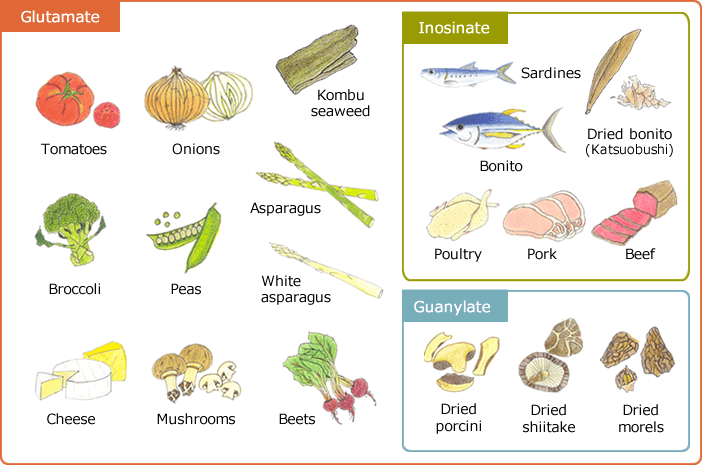
The Science of Umami: Glutamates and Beyond
So, what is going on when we experience umami? It all comes down to specific compounds – primarily glutamate, but also inosinate and guanylate. Glutamate is an amino acid naturally present in many foods, and it’s the key driver of the umami taste. Inosinate is found in meats and fish, while guanylate is abundant in dried mushrooms.
These compounds interact with specialized taste receptors on our tongues. Specifically, they bind to the T1R1/T1R3 receptor, which is dedicated solely to detecting umami. This receptor sends a signal to the brain, which we perceive as that distinctive savory flavor. It’s a direct physiological response, not just a subjective impression.
Interestingly, how we cook food can significantly impact its umami levels. Cooking breaks down proteins, releasing more glutamate. Techniques like slow roasting, simmering, and fermentation all increase glutamate concentration. That’s why a slow-cooked tomato sauce tastes so much richer and more satisfying than one made with fresh tomatoes.
- Glutamate: The primary driver of umami; found in many foods.
- Inosinate: Enhances umami; abundant in meats and fish.
- Guanylate: Synergistically boosts umami; found in dried mushrooms.
Umami Unlocked: Test Your Knowledge of the Fifth Taste
Umami, often described as savory or meaty, is now recognized as the fifth basic taste alongside sweet, sour, salty, and bitter. But understanding *why* certain foods deliver that satisfying umami punch requires knowing the key compounds involved. This quiz will test your understanding of glutamate, inosinate, and guanylate – the building blocks of umami – and how they contribute to deliciousness.
Umami Powerhouses: A Global Food Tour
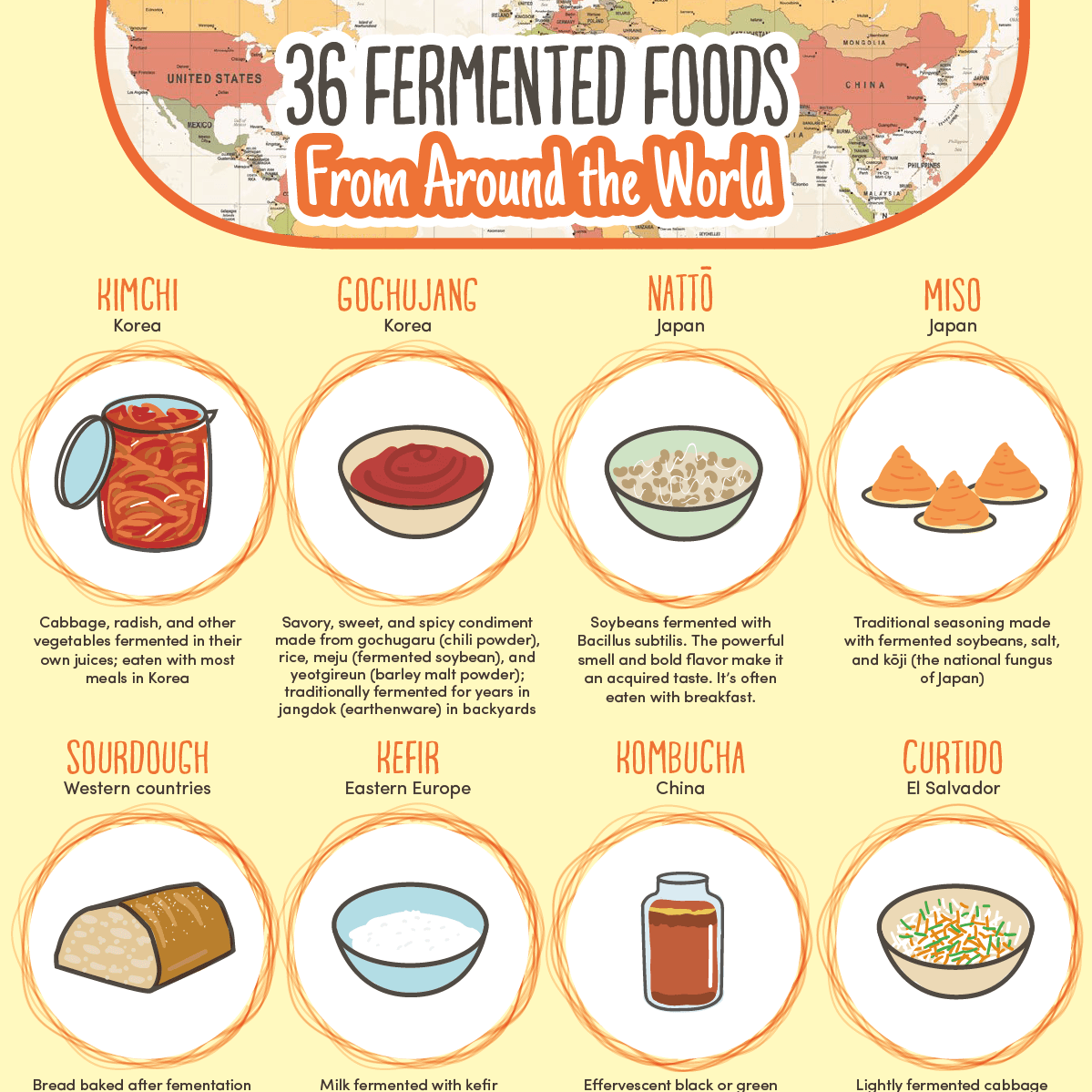
Umami isn’t limited to one cuisine; it’s a global phenomenon. Japan is, of course, a central hub. Kombu seaweed, used to make dashi (Japanese stock), is incredibly rich in glutamate. Bonito flakes, made from fermented and smoked tuna, are another umami bomb. Miso, a fermented soybean paste, delivers a complex, savory depth. And soy sauce, a staple condiment, is packed with glutamate.
Italy also boasts a wealth of umami-rich ingredients. Parmesan cheese, aged for extended periods, develops high levels of glutamate. Ripe tomatoes, especially when cooked down into sauces, release glutamates that contribute to their deliciousness. Cured meats like prosciutto and salami also offer a significant umami kick.
But the tour doesn’t stop there. Mushrooms, particularly dried shiitake, are excellent sources of guanylate. Seaweed varieties beyond kombu, like nori, contribute umami to sushi and other dishes. Fermented foods, like kimchi, sauerkraut, and fish sauce, are brimming with umami-rich compounds. Even green tea contains detectable levels of glutamate.
Umami in the Kitchen: Cooking Techniques
So how do you harness the power of umami in your own cooking? Slow roasting tomatoes intensifies their flavor and glutamate content. Instead of quickly sautéing them, try roasting them at a low temperature for several hours. Making your own stock from bones and vegetable scraps is another great way to build umami. The long simmering process extracts maximum flavor.
Don’t underestimate the power of mushroom powder. A teaspoon added to soups, stews, or sauces can provide a substantial umami boost. Incorporating fermented ingredients is also a fantastic strategy. A splash of fish sauce in a stir-fry, or a spoonful of miso in a soup, can elevate the flavor profile significantly.
Umami compounds work synergistically. Combining ingredients rich in glutamate, inosinate, and guanylate creates a more intense and satisfying flavor experience. For example, pairing tomatoes (glutamate) with Parmesan cheese (glutamate and inosinate) is a classic combination. A simple trick is to add a pinch of dried mushrooms when making a tomato sauce.
2026 Flavor Trends: Umami's Rising Influence
Umami isn’t just a fleeting trend; it’s poised to become a defining characteristic of the 2026 culinary landscape. Chefs are increasingly recognizing its importance in creating dishes with depth and complexity, especially as plant-based cuisine continues to gain prominence. Plant-based proteins often lack the inherent umami of meat, so chefs are turning to umami-rich ingredients to compensate.
I've observed a growing interest in using umami to create more satisfying and flavorful snacks and beverages. Think mushroom-infused jerky, seaweed-flavored chips, or even umami-rich broths marketed as health tonics. There’s also experimentation with incorporating umami into desserts, using ingredients like miso caramel or black garlic chocolate.
The rising popularity of fermented foods is directly linked to the umami trend. People are seeking out foods that are not only flavorful but also beneficial for gut health, and fermented foods deliver on both fronts. Expect to see even more innovative uses of fermentation in the coming years, exploring the full potential of umami.
Umami vs. Salt: A Delicate Balance
A common misconception is that umami is simply another word for salty. While both tastes can enhance flavor, they are fundamentally different. Salt primarily enhances our perception of other tastes, while umami provides a distinct savory sensation. They activate different taste receptors on the tongue.
Interestingly, umami can actually reduce the need for salt in cooking. By providing a satisfying depth of flavor, umami can make dishes taste more complete and flavorful even with less sodium. This is a significant benefit for health-conscious cooks, as excessive salt intake is linked to various health problems.
The key is to use umami strategically. Instead of relying solely on salt to season your food, incorporate umami-rich ingredients and techniques to build flavor from the ground up. This will result in dishes that are both healthier and more delicious. It’s about balance, not replacement.
Umami vs. Salt: A Comparative Overview
| Taste Profile | Effect on Saliva Production | Health Implications | Common Sources | Synergy with Other Tastes |
|---|---|---|---|---|
| Umami: Savory, meaty, broth-like. Often described as a long-lasting, coating sensation on the tongue. | Stimulates salivation, but in a more sustained and coating manner than salt. Creates a mouthwatering sensation. | Generally considered a positive contributor to palatability, potentially aiding in nutrient recognition. Excessive intake, like with any taste, isn't necessarily beneficial. | Ripe tomatoes, aged cheeses, seaweed (kombu), mushrooms, cured meats, fermented products (soy sauce, miso). | Complements sweetness and sourness, balancing flavors and enhancing overall complexity. Works well with other savory notes. |
| Salt: Primarily a basic taste, perceived as salty. Provides a sharp, immediate sensation. | Strongly stimulates saliva production, creating a quick, refreshing effect. | Essential for bodily functions but excessive intake is linked to hypertension and other health concerns. | Table salt, sea salt, processed foods, cured foods, some vegetables. | Enhances sweetness and suppresses bitterness. Can amplify other flavors, but overuse can mask subtlety. |
| Perception Mechanism | Umami is detected by specific glutamate receptors on the tongue. Salt is detected by ion channels sensitive to sodium. | Umami’s effect on saliva is linked to the stimulation of these glutamate receptors and associated neural pathways. Salt’s effect is due to sodium ion concentration. | While both contribute to flavor perception, umami is linked to the detection of amino acids, building blocks of proteins, potentially signaling nutritional value. | Umami sources often contain glutamates naturally, while salt is a mineral added or present in varying concentrations. |
| Flavor Duration | Umami provides a lingering, sustained taste experience. | Salt’s taste is relatively quick to dissipate. | Both contribute to overall flavor perception, but umami’s prolonged effect can create a more satisfying experience. | Umami-rich foods often require slower, more mindful consumption to fully appreciate the flavor development. |
| Impact on Food Texture | Umami can contribute to a sense of fullness and richness in texture. | Salt primarily affects the perception of dryness or wetness. | Umami-rich ingredients can enhance the perceived texture of dishes, making them feel more substantial. | Broths and sauces rich in umami often have a velvety mouthfeel. |
Illustrative comparison based on the article research brief. Verify current pricing, limits, and product details in the official docs before relying on it.
Beyond the Basics: Exploring Umami Extracts
Monosodium glutamate (MSG) is perhaps the most well-known umami extract. It’s essentially pure glutamate, and it’s been used as a flavor enhancer for decades. However, it has been the subject of controversy, with some people reporting adverse reactions. Extensive scientific research has consistently shown that MSG is safe for the vast majority of people when consumed in moderate amounts.
Other umami extracts include yeast extract, often used in vegan and vegetarian cooking to add savory depth, and hydrolyzed vegetable protein, commonly found in processed foods. These extracts offer a concentrated source of umami compounds and can be useful for quickly boosting flavor.
When using umami extracts, it’s important to do so responsibly. A little goes a long way, and it’s best to use them in combination with other natural umami-rich ingredients. The goal is to enhance flavor, not overwhelm it.
Resources for Umami Exploration
Want to? The Umami Information Center () is an excellent resource, providing in-depth information on the science, history, and culinary applications of umami. Wikipedia’s entry on Umami () is also a good starting point.
Harold McGee’s On Food and Cooking: The Science and Lore of the Kitchen is a classic reference book that delves into the science of flavor, including umami. Consider checking out YouTube videos like MinuteFood’s “How to make your food 30x more delicious” () for practical tips.
Further Umami Exploration
- The Flavor Bible: The Essential Guide to Culinary Matching - This book by Karen Page and Andrew Dornenburg details flavor affinities, including extensive notes on umami-rich ingredients and how they pair with others.
- Serious Eats - Explore their articles on umami, particularly those by J. Kenji López-Alt, who frequently delves into the science behind flavor and provides practical applications in cooking.
- Nobu Matsuhisa - The chef behind the Nobu restaurants is renowned for his masterful use of umami, particularly through Japanese ingredients like dashi and miso. Researching his signature dishes provides insight into umami layering.
- MSG: A Modern History by Ian Mosby - This book offers a historical perspective on monosodium glutamate (MSG), exploring its discovery, use, and the controversies surrounding it, providing a deeper understanding of umami's story.
- Umami Information Center - A resource provided by Ajinomoto, the company that first commercially produced MSG. It offers information on the science of umami, its history, and applications in cooking. Note: While sponsored, it contains scientific information.
- David Chang - The chef and founder of Momofuku is a vocal advocate for umami and its importance in flavor building. His cookbooks and restaurant menus showcase creative uses of umami-rich ingredients.
- Cook's Illustrated/America's Test Kitchen - Search their recipe database for dishes highlighting umami-rich ingredients. Their detailed explanations of cooking techniques often touch upon maximizing umami flavor.


No comments yet. Be the first to share your thoughts!