
Fermentation: An ancient art
Fermentation isn't a fleeting food trend; it’s one of humanity’s oldest methods of food preservation. For millennia, before refrigeration, people relied on the power of microorganisms to keep food edible and, importantly, flavorful. From the kimchi jars ubiquitous in Korean households to the traditional sauerkraut cellars of Germany, and the centuries-old miso production in Japan, fermentation has been integral to countless cultures’ cuisines.
This isn't a new discovery but a rediscovery. It’s a return to techniques our ancestors perfected, driven by interest in gut health and a desire for complex flavors. There's a noticeable shift away from highly processed foods towards methods that connect us to our culinary heritage.
Often, "health food" is perceived as bland. Fermented foods defy this. The process doesn't just preserve; it transforms, unlocking hidden depths of flavor and creating foods that are both nourishing and delicious. It's about expanding palates and appreciating the ingenuity of traditional foodways.

The science of fermentation
At its heart, fermentation is a metabolic process carried out by microorganisms – bacteria, yeasts, and molds. These tiny organisms consume carbohydrates (sugars and starches) and produce various byproducts, which are responsible for the characteristic flavors and textures of fermented foods. It's not 'rotting,' as some might assume; it's a carefully controlled process of biochemical transformation.
There are several key types of fermentation. Lactic acid fermentation, common in yogurt and sauerkraut, utilizes bacteria to convert sugars into lactic acid, creating a tangy flavor and preserving the food. Alcoholic fermentation, used in brewing and winemaking, relies on yeasts to produce ethanol and carbon dioxide. And acetic acid fermentation – think vinegar – involves bacteria converting ethanol into acetic acid.
The specific microorganisms involved, the temperature, the amount of salt, and the duration of fermentation all influence the final product. It's a surprisingly precise science, even when practiced intuitively over generations. Understanding these basics helps demystify the process and appreciate the incredible work those microbes are doing.
Beyond the basics: Fermentation's expanding palette
While pickles, yogurt, and sauerkraut are the fermented foods most people recognize, the world of fermentation extends far beyond these staples. Look at beverages: kombucha, a fermented tea, has exploded in popularity, but have you tried kvass, a traditional Slavic fermented bread drink, or tepache, a Mexican fermented pineapple beverage? Each offers a unique flavor profile.
The expansion doesn't stop at drinks. Fermented grains like sourdough bread and injera, a spongy Ethiopian flatbread, showcase the transformative power of fermentation. And in Asian cuisines, fermented sauces and pastes like miso (Japan), gochujang (Korea), and nuoc mam (Vietnam) are foundational flavor builders.
What’s really exciting is the innovation happening in modern cuisine. Chefs are using koji, a mold used in sake production, to age meats, creating incredibly tender and flavorful cuts. They're fermenting vegetables to develop unique umami-rich ingredients. I recently read about a chef using fermentation to create a vegan 'fish sauce' – a testament to the versatility of the technique.
Here are a few examples of expanding fermented products:
• Fermented grains: sourdough, injera, tempeh
• Fermented sauces and pastes: miso, gochujang, doubanjiang
• Fermented beverages: kombucha, kvass, tepache, beer, wine
Global Fermented Foods
- Natto - A traditional Japanese food made from fermented soybeans, known for its strong smell, sticky texture, and rich umami flavor. Often eaten with rice.
- Ogi - A fermented cereal porridge popular in West Africa, typically made from sorghum or millet. It has a slightly sour taste and is often given to infants and the elderly.
- Pozol - A fermented corn dough beverage originating from Mexico and Central America. It’s traditionally made in large clay pots and has a slightly tangy, refreshing flavor.
- Chicha - A fermented beverage common in the Andes, traditionally made from corn, though variations using fruits exist. It can be alcoholic or non-alcoholic depending on preparation.
- Plaa Raa - A traditional Thai fermented fish sauce. Unlike the more common *nam pla*, *plaa raa* uses whole fish, fermented for an extended period, resulting in a very pungent and complex flavor.
- Mămăligă acră - A Romanian fermented cornmeal porridge, similar to polenta but with a distinct sourness developed through lactic acid fermentation. It's often served with cheese and sour cream.
- Garum - An ancient Roman fermented fish sauce, enjoying a revival in modern cuisine. It was a staple condiment in Roman cooking, known for its intense umami flavor.
Gut health and flavor
The recent surge in interest in fermented foods is often linked to their potential probiotic benefits. Fermented foods can contain live microorganisms that contribute to a diverse gut microbiome, which is increasingly recognized as crucial for overall health. A healthy gut microbiome can aid digestion, boost immunity, and even influence mental wellbeing.
Caution is needed when making sweeping health claims. Research on the specific effects of fermented foods on the gut microbiome is ongoing, and benefits vary by individual and food. Not all fermented foods contain significant levels of live probiotics, as pasteurization can kill them.
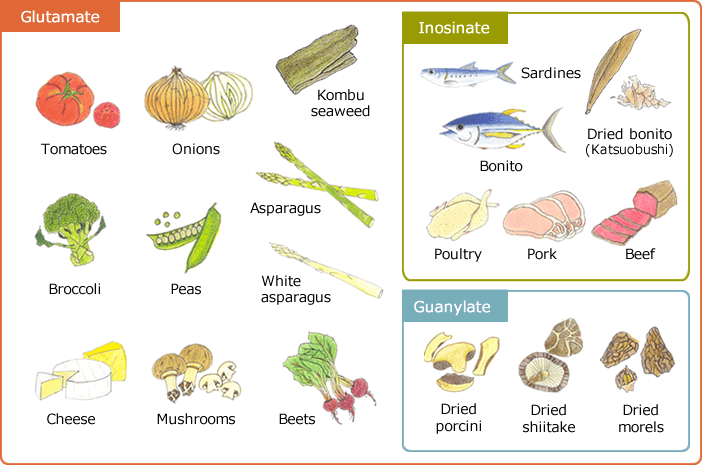
The most compelling aspect of fermentation is flavor development. The metabolic byproducts created by microorganisms – lactic acid, acetic acid, alcohols, and various aromatic compounds – generate complex and nuanced flavors unattainable through other cooking methods. They bring an umami richness that elevates dishes.
Home fermentation basics
Home fermentation is accessible but requires attention to detail and food safety. The USDA and the National Center for Home Food Preservation (NCHFP) offer resources for beginners. Essential equipment includes glass jars (mason jars are ideal), weights to keep food submerged, and airlocks to allow gases to escape while preventing contamination.
Sanitation is paramount. Clean and sterilize all equipment thoroughly to prevent harmful bacteria growth. Use hot, soapy water and consider sanitizing with a bleach solution (follow NCHFP guidelines). Maintaining the correct salt concentration is also crucial, as salt inhibits undesirable microorganisms.
Common troubleshooting issues include mold growth, off-flavors, and lack of fermentation. Mold usually indicates contamination and the batch should be discarded. Off-flavors can result from improper sanitation or wrong ingredients. If fermentation isn’t happening, check the temperature – most require a warm environment.
Here's a simplified step-by-step guide to fermenting vegetables:
1. Clean and sterilize a glass jar.
2. Prepare vegetables (cabbage for sauerkraut, cucumbers for pickles, etc.).
3. Add salt (typically 2-3% by weight).
4. Pack vegetables tightly into the jar, ensuring they are submerged in their own brine.
5. Use a weight to keep the vegetables submerged.
6. Cover with an airlock or a loose-fitting lid.
7. Ferment at room temperature for several days or weeks, depending on the recipe.
The future of fermentation
Fermentation will continue to gain prominence, driven by several factors. The growing demand for plant-based meat alternatives leads researchers to explore fermentation for improving texture and flavor. Companies use fungal fermentation to create mycoprotein, a protein-rich ingredient in various meat substitutes.
New fermentation starters are being developed – specialized cultures designed to produce specific flavor profiles. There’s increasing interest in using fermentation to address food waste. Fermenting food scraps transforms them into valuable ingredients, reducing environmental impact.
Chefs will continue to experiment with fermentation, pushing culinary creativity. More unusual fermentation substrates will likely emerge – fermenting fruit peels, vegetable stems, or spent coffee grounds to create unique and sustainable dishes. The rise of 'functional foods' – foods offering health benefits beyond basic nutrition – will also fuel further innovation in fermentation.
Resources for fermenters
The USDA’s guide, “Safely Fermenting Food at Home” (nifa.usda.gov), is an excellent starting point for understanding food safety principles. The National Center for Home Food Preservation (nchfp.uga.edu) offers detailed instructions and resources for various fermentation projects.
For inspiration and recipes, explore websites like Cultures for Health and Ferment Works. Several books delve deeper into the science and art of fermentation, including “The Art of Fermentation” by Sandor Katz and “Wild Fermentation” by the same author. Online courses and workshops can provide hands-on guidance and support.


No comments yet. Be the first to share your thoughts!