
Beyond Oranges: A Winter Fruit Reset
By February, oranges and clementines can feel predictable. Winter's fruit selection doesn't have to be limited. A world of flavor exists to brighten the colder months. We often get stuck in ruts, forgetting the variety available even in winter.
This season, expand your fruit horizons with five exotic winter fruits. From dragon fruit to persimmons, these options offer flavor, nutritional benefits, and a little adventure. It's about adding to the joy of winter eating.
We'll look at dragon fruit, persimmons, pomelo, star fruit, and Asian pears. Each brings something unique, and I'll share how to find, prepare, and enjoy them. Embrace a fruit reset!
Persimmons: The Tomato-Colored Treasure
Persimmons are, in my opinion, the stars of the exotic winter fruit show. They’re at their peak during the colder months, and their vibrant color is a welcome sight. There are two main varieties you’ll encounter: Fuyu and Hachiya. Fuyu persimmons are squat and tomato-shaped, and they can be eaten while still firm, almost like an apple. Hachiya persimmons, on the other hand, are teardrop-shaped and must be incredibly soft to be enjoyable.
The flavor profile of a persimmon is wonderfully complex. It’s intensely sweet, with notes that remind me of dates, honey, and even a hint of cinnamon. Some people even detect a subtle mango or roasted sweet potato flavor. A ripe Fuyu persimmon has a pleasant crispness, while a perfectly ripe Hachiya is almost custard-like in texture. That said, an unripe Hachiya is incredibly astringent – it will completely dry out your mouth, so make sure it’s yielding to gentle pressure before taking a bite.
Persimmons originate from East Asia, cultivated in China and Japan for centuries. Historically a symbol of good fortune, they are still enjoyed widely. They're delicious, a good source of vitamin A and fiber. I enjoy them sliced thinly on their own, but they also work well in salads or desserts.
Here's a simple recipe to get you started: Persimmon & Prosciutto Salad. Thinly slice 1 Fuyu persimmon and arrange on a plate with slices of prosciutto, a sprinkle of crumbled goat cheese, and a drizzle of balsamic glaze. It’s a delightful combination of sweet, salty, and tangy flavors.
Dragon Fruit: More Than Just a Pretty Face
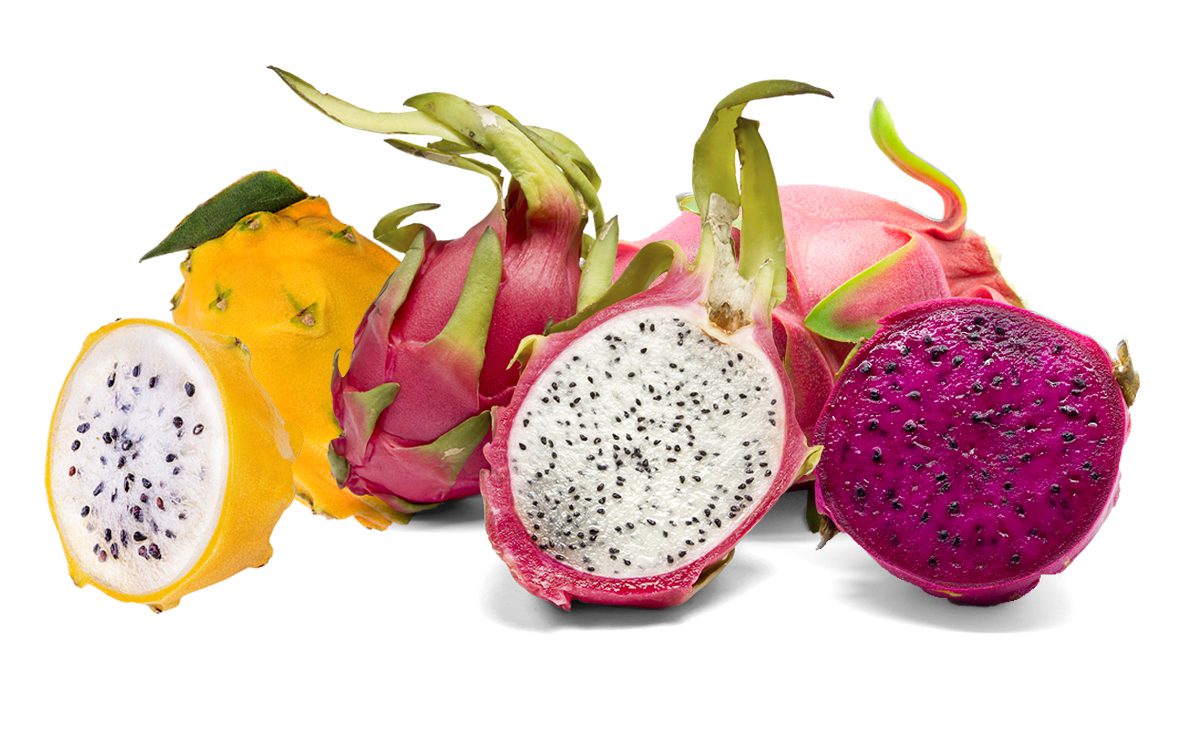
Dragon fruit, also known as pitaya, is instantly recognizable thanks to its striking appearance. With its bright pink skin and speckled flesh, it's a fruit that demands attention. There are several varieties, including those with white flesh, red flesh, and even yellow-skinned options. The red-fleshed variety is the most common, and it’s what most people picture when they think of dragon fruit.
The flavor is subtle, not an explosion. It's mildly sweet and refreshing, with a texture like a kiwi, sometimes described as having a floral note. It's not intensely flavored, but its unique appearance and texture make it a fun addition to fruit salads or smoothies. It pairs wonderfully with persimmons.
Dragon fruit is a good source of vitamin C, antioxidants, and fiber. Cut it in half and scoop out the flesh with a spoon. Peeling the skin is tricky. It can be pricey out of season, but worth trying for the novelty.30% in the past five years, showing growing consumer interest.
You can find a great overview of dragon fruit varieties and preparation techniques on YouTube: https://www.youtube.com/watch?v=q7l30-UqJ84
Pomelo: The Citrus Giant
If you’re a fan of grapefruit, you’ll likely enjoy pomelo. It’s the largest citrus fruit, and a relative of grapefruit, but with a milder, sweeter flavor. The rind is incredibly thick, which can be a bit challenging to work with, but the reward is worth the effort. It’s less acidic than grapefruit, making it a more approachable option for those who find grapefruit too tart.
To segment a pomelo, you’ll need a sharp knife. Cut off the top and bottom, then carefully slice off the rind, following the curve of the fruit. Once the rind is removed, you can separate the segments, which are encased in a thin membrane. It’s a bit of work, but the juicy, sweet segments are a delightful treat. Pomelos originated in Southeast Asia and are still widely cultivated in Thailand, Malaysia, and Indonesia.
Pomelos have a long history of cultural significance in some regions. In Chinese culture, they are often given as gifts during the Lunar New Year, symbolizing prosperity and good fortune. Beyond eating it fresh, you can add pomelo segments to salads, juice it, or even use the rind for candied peel.
Star Fruit: A Slice of Sunshine
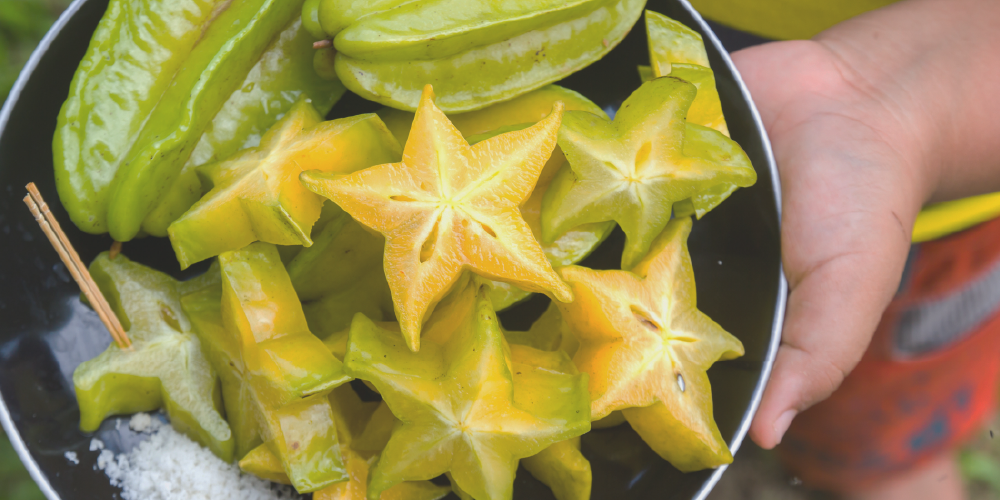
Star fruit, or carambola, is a truly unique fruit. Its most defining characteristic is its distinctive shape – when sliced, it reveals a beautiful star pattern. The flavor is slightly tart, sweet, and juicy, with a refreshing crispness. It’s a lovely fruit to add to a fruit salad or use as a garnish.
Star fruit is a good source of vitamin C and fiber. It’s often used in cocktails and desserts, adding a touch of exotic flair. It’s a relatively low-calorie fruit, making it a guilt-free indulgence. However, it's worth noting that star fruit contains oxalic acid, which can be a concern for people with kidney issues. While the amount is generally small, it's something to be aware of.
I suggest looking for firm, yellow star fruit with slightly brown edges. Avoid fruits that are bruised or green. A ripe star fruit will have a slightly sweet aroma.
Asian Pear: Crispness Redefined
Forget everything you think you know about pears. Asian pears are a different breed altogether. Unlike European pears, which need to be ripened off the tree, Asian pears are best enjoyed crisp and firm, similar to an apple. They’re incredibly juicy and refreshing, and come in a variety of shapes and sizes.
The flavor is sweet, with a slightly floral aroma. Different varieties offer subtle flavor variations – some are more honeyed, while others have a hint of citrus. They don’t require ripening, so you can enjoy them straight from the store. This makes them a convenient and reliable winter fruit option. A 2022 report from the California Pear Growers Association noted a 15% increase in Asian pear sales over the previous year.
Asian pears are incredibly versatile. They can be eaten fresh, added to salads for a delightful crunch, or even cooked in desserts. They also hold their shape well when baked, making them a good choice for pies and tarts. I particularly enjoy pairing them with cheese and nuts.
Sourcing & Storage: Keeping Your Exotic Fruits Fresh
Finding these exotic fruits might require a little extra effort. Asian markets and specialty grocery stores are your best bet. Larger supermarkets are starting to carry some of these options, but selection can be limited. Online retailers are also a good source, but shipping costs can add up. Don’t be afraid to ask your local produce manager if they can order something for you.
Proper storage is essential for maximizing freshness. Persimmons can be stored at room temperature until ripe, then refrigerated to slow down further ripening. Dragon fruit should be refrigerated, and will keep for several days. Pomelos can be stored in the refrigerator for up to a week. Star fruit and Asian pears also benefit from refrigeration.
When selecting fruit, look for signs of ripeness. Persimmons should be yielding to gentle pressure (Hachiya) or firm (Fuyu). Dragon fruit should have bright, even color. Pomelos should feel heavy for their size. Star fruit should be firm and yellow with slightly brown edges. Asian pears should be firm and crisp.
Beyond Snacking: Creative Ways to Use These Fruits
Don’t limit yourself to just eating these fruits raw! There’s a world of culinary possibilities waiting to be explored. Dragon fruit adds a beautiful color and subtle sweetness to smoothies. Persimmons are delicious in tarts, salads, and even chutneys. Pomelo segments can brighten up a winter salad or add a unique twist to a salsa.
Star fruit makes a stunning garnish for cocktails and desserts. Asian pears are fantastic baked into pies or tarts, or simply sliced and served with cheese and nuts. I recently made a dragon fruit and persimmon salsa that was a huge hit – it paired perfectly with grilled fish. Try combining diced dragon fruit, persimmon, red onion, cilantro, and a squeeze of lime juice.
Experiment with pairings! Persimmon and goat cheese are a classic combination. Dragon fruit and coconut are a tropical delight. Pomelo and avocado create a creamy, refreshing salad. Asian pears and walnuts are a perfect autumnal pairing. Don't be afraid to get creative and discover your own favorite combinations. You can find a few inspiration recipes on Food Fluff here: [link to related recipes].
Consider these pairings: Dragon fruit & coconut yogurt, Persimmon & ginger crumble, Pomelo & shrimp salad, Star fruit & passion fruit juice, *Asian pear & blue cheese tartlets.
Essential Tools for Enjoying Exotic Winter Fruits
High-carbon stainless steel blade · Full tang for balance and durability · Ergonomic handle for comfortable grip
A high-quality chef's knife is essential for precisely slicing and preparing a variety of fruits, including tougher-skinned ones like dragon fruit.
Powerful 700-watt motor · 2.5-inch wide chute for whole fruits · Easy to clean design with included brush
This juicer allows for quick and easy extraction of fresh juice from fruits like persimmons, making it simple to enjoy their flavors in a drink.
Durable stoneware construction · Generous size for serving · Classic, versatile design
A beautiful and spacious salad bowl is perfect for artfully presenting sliced exotic fruits for guests or family.
Comprehensive guide to fruit varieties · Detailed descriptions and images · Information on cultivation and uses
This book provides in-depth knowledge about various fruits, helping readers understand the origins, characteristics, and best ways to enjoy exotic winter varieties.
As an Amazon Associate I earn from qualifying purchases. Prices may vary.




No comments yet. Be the first to share your thoughts!