
Exotic fruits trending in 2026
Food trends are always shifting, but 2026 is seeing a particularly strong move towards the unusual. It’s not just about taste anymore; presentation and story are becoming increasingly important. Social media, especially Instagram and TikTok, is acting as a powerful catalyst, turning relatively unknown fruits into viral sensations.
We're seeing a real hunger for experiences, and that extends to what people eat. Consumers are actively seeking out foods that are visually appealing, offer a unique story, or provide a sense of discovery. This has created a perfect environment for exotic fruits to flourish. They're beautiful, often have fascinating backstories, and offer flavors many people haven't encountered before.
This year, several fruits are experiencing a surge in online popularity. From vibrant dragon fruit lattes to savory jackfruit tacos, these aren’t just foods – they’re content. They’re designed to be photographed, shared, and talked about. It’s a fascinating shift in the food world, and one we’re excited to explore.

Dragon fruit's visual appeal
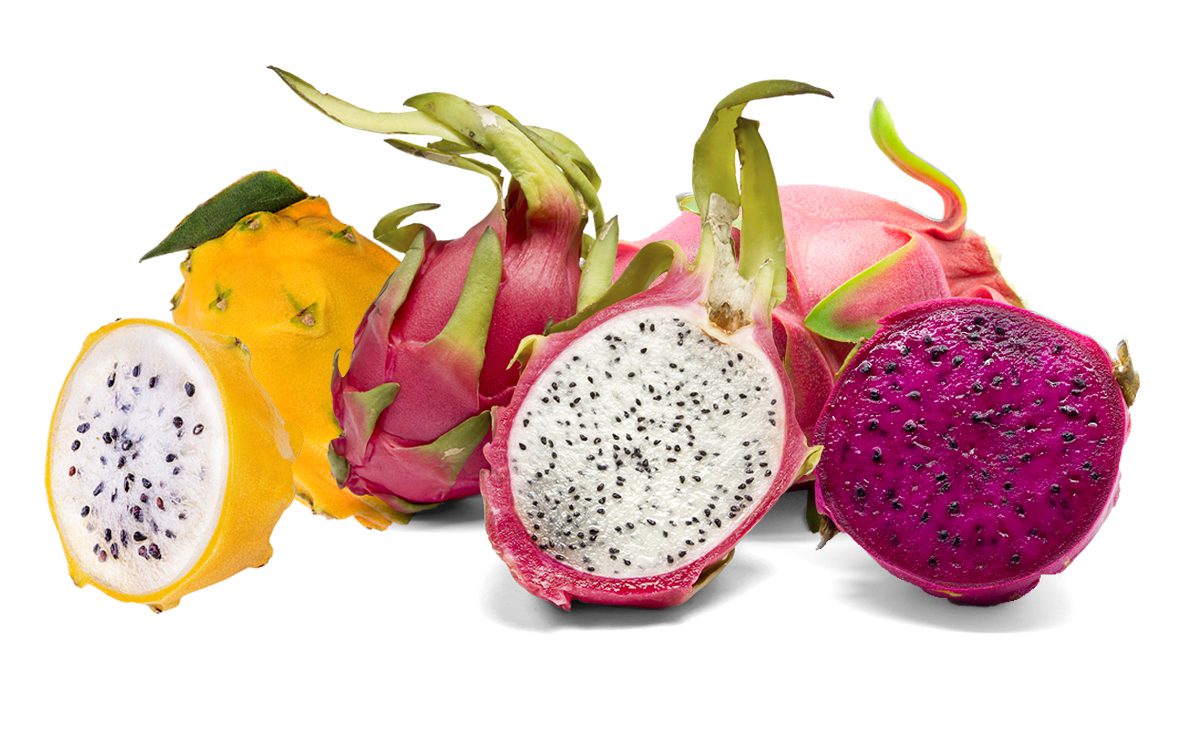
Dragon fruit, also known as pitaya, is perhaps the most visually striking of the trending fruits. Its bright pink skin and speckled flesh make it incredibly Instagrammable, and the hashtag #dragonfruit already has over 3.2 million posts as of late 2026. It’s become a staple in smoothie bowls, lattes, and even cocktails.
The aesthetic appeal is definitely driving a lot of the buzz. Cafes are capitalizing on this, offering vibrant pink dragon fruit lattes and smoothies that are almost too pretty to drink. People are experimenting with flavor combinations, pairing dragon fruit with mango, pineapple, and even a touch of ginger. I’ve seen some interesting dragon fruit and coconut water blends gaining traction.
But does the flavor live up to the hype? It's a surprisingly mild sweetness, often described as a blend between a kiwi and a pear. Some find it a bit bland on its own, which is why it’s often paired with other stronger flavors. Still, its unique appearance and health benefits—it’s packed with antioxidants—continue to fuel its popularity.
Jackfruit: A versatile vegan option
Jackfruit's rise to fame is a different story. While it's been a staple in Southeast Asian cuisine for centuries, it’s only recently gained mainstream attention as a plant-based meat alternative. TikTok and Instagram are flooded with videos showcasing jackfruit tacos, "pulled pork" sandwiches, and even jackfruit-based curries.
The key to jackfruit’s success lies in its texture. When young and unripe, jackfruit has a neutral flavor and a stringy texture that remarkably mimics pulled pork. This makes it incredibly versatile – it readily absorbs flavors from marinades and sauces. You can find pre-seasoned jackfruit products now from brands like Upton’s Naturals and The Jackfruit Company, making it even easier to incorporate into meals.
Beyond its texture, jackfruit is also being lauded for its sustainability. Compared to traditional meat production, jackfruit requires significantly less water and land, making it a more environmentally friendly option. This resonates with a growing number of consumers who are looking to reduce their environmental impact. I’ve seen some really inventive recipes using jackfruit, including jackfruit "crab" cakes and even jackfruit-based shepherd's pie.
Here's a simple recipe for Jackfruit Tacos:
Spicy Jackfruit Tacos Ingredients: 1 can (20oz) young green jackfruit in water or brine, drained and shredded; 1 tbsp olive oil; 1 onion, chopped; 2 cloves garlic, minced; 1 tbsp chili powder; 1 tsp cumin; 1/2 tsp smoked paprika; 1/4 cup vegetable broth; Corn or flour tortillas; Your favorite taco toppings (salsa, avocado, cilantro, etc.) Instructions: Heat olive oil in a large skillet. Add onion and cook until softened. Add garlic, chili powder, cumin, and smoked paprika. Cook for 1 minute more. Add jackfruit and vegetable broth. Simmer for 15-20 minutes, or until jackfruit is tender and has absorbed the flavors. Serve in tortillas with your favorite toppings.
Durian: The polarizing 'King of Fruits'
Durian is arguably the most controversial fruit on this list. Its pungent odor is often described as a mix of gym socks, sewage, and rotting onions – it’s a smell that people either love or hate. In fact, durian is banned on many forms of public transport in Southeast Asia due to its overpowering scent.
Despite the smell, durian is revered by many as the "King of Fruits.’ Those who enjoy it describe the flavor as a complex blend of sweet, savory, and creamy. The texture is incredibly rich and custard-like. It"s often eaten fresh, but also used in desserts like ice cream and pastries, and even savory dishes.
Durian holds significant cultural importance in Southeast Asia, particularly in countries like Thailand, Malaysia, and Indonesia. It’s often associated with luxury and is considered a delicacy. Its social media presence is growing, with people documenting their first durian experiences—often with dramatic reactions. It's a fruit you either love or loathe, honestly.
Rambutan and lychee: Sweet and floral cousins
Rambutan and lychee often get grouped together due to their similar appearance and flavor profiles. Both are small, round fruits with a textured skin – rambutan covered in soft spines, and lychee with a smooth, bumpy shell. They’re both native to Southeast Asia and are gaining popularity in Western markets.
The flavor is subtly sweet and floral, with a slightly acidic tang. They’re incredibly refreshing, especially during warmer months. You’ll find them increasingly featured in fruit salads, cocktails, and desserts. Lychee martinis are particularly popular. They're both so pretty to look at, which contributes to their Instagram appeal.
The main difference lies in the texture and skin. Rambutan has a slightly firmer flesh and a more pronounced floral aroma. Lychee’s skin is easier to peel, and the flesh is more translucent. Both are excellent sources of Vitamin C and antioxidants.
Rambutan vs. Lychee: A Comparative Look
| Appearance | Texture | Flavor | Ease of Peeling | Common Uses |
|---|---|---|---|---|
| Rambutan | Covered in soft, pliable spines. Typically red, but can also be yellow or orange. | Juicy and slightly creamy. Often described as having a mild, sweet, and slightly acidic taste. | Moderate. The rind requires a small incision, then peeling away reveals the fruit. Spines can be a minor inconvenience. | Eaten fresh, used in fruit salads, desserts, and preserved in syrup. Popular in Southeast Asia. |
| Lychee | Small and round with a bumpy, red outer shell. Shell is relatively smooth compared to rambutan. | Translucent, white flesh with a floral, sweet flavor. Can have a slightly tart finish. | Easier than rambutan. The shell cracks easily with gentle pressure, and the skin pulls away cleanly. | Eaten fresh, canned in syrup, used in cocktails, and incorporated into desserts. Widely enjoyed across Asia and gaining popularity globally. |
| Appearance - Comparison | Rambutan's 'hairy' exterior is its most defining feature, while lychee has a smoother, though textured, shell. | Both are juicy, but lychee tends to be more consistently sweet, while rambutan has a more nuanced flavor profile. | Lychee generally presents a simpler peeling experience. | Both are versatile, but lychee is more commonly found in commercially prepared products like canned fruit. |
| Texture - Comparison | Rambutan flesh is slightly more substantial and creamy. Lychee flesh is more delicate and almost grape-like. | The difference in texture impacts how they feel in dishes; rambutan holds its shape better. | N/A | N/A |
| Flavor - Comparison | Rambutan's flavor is often described as having a hint of grape and strawberry. Lychee is more distinctly floral and rose-like. | Flavor preference is highly subjective, but lychee's stronger floral notes are a key differentiator. | N/A | N/A |
Qualitative comparison based on the article research brief. Confirm current product details in the official docs before making implementation choices.
Mangosteen and longan: Subtle flavors
Mangosteen and longan are gaining recognition for their delicate and nuanced flavors. Mangosteen, often called the "Queen of Fruits," has a thick, dark purple rind and white, segmented flesh. The flavor is sweet and tangy, with hints of peach and strawberry.
Longan, on the other hand, is a small, round fruit with a smooth, brown shell. It’s often compared to grapes in terms of texture and flavor, but with a more floral aroma. Both fruits are delicious on their own, but also work well in juices, desserts, and as a standalone snack.
I'm not sure if these will reach the same level of virality as dragon fruit, but they’re definitely gaining traction among foodies and health-conscious consumers. Mangosteen is particularly prized for its high antioxidant content, while longan is a traditional remedy in Chinese medicine.
Starfruit and salak: Texture focus
Starfruit, recognizable by its distinctive five-pointed star shape when sliced, offers a crisp and slightly tart flavor. It's often used in salads, fruit platters, and as a visually appealing garnish. Its texture is a major draw, providing a satisfying crunch.
Salak, also known as snake fruit, is definitely one of the weirder looking fruits out there. Its scaly, reddish-brown skin resembles snakeskin, hence the name. Beneath the skin lies a creamy, yellowish flesh with a unique, crunchy texture. The flavor is a blend of sweet, acidic, and nutty.
Social media content is highlighting these unusual textures. Videos showcasing the satisfying crunch of starfruit and the peeling process of salak are gaining views. Both fruits are relatively low in calories and high in fiber, adding to their appeal. Salak is particularly popular in Indonesia and Malaysia, where it’s often sold by street vendors.




No comments yet. Be the first to share your thoughts!