
Flavors facing forward
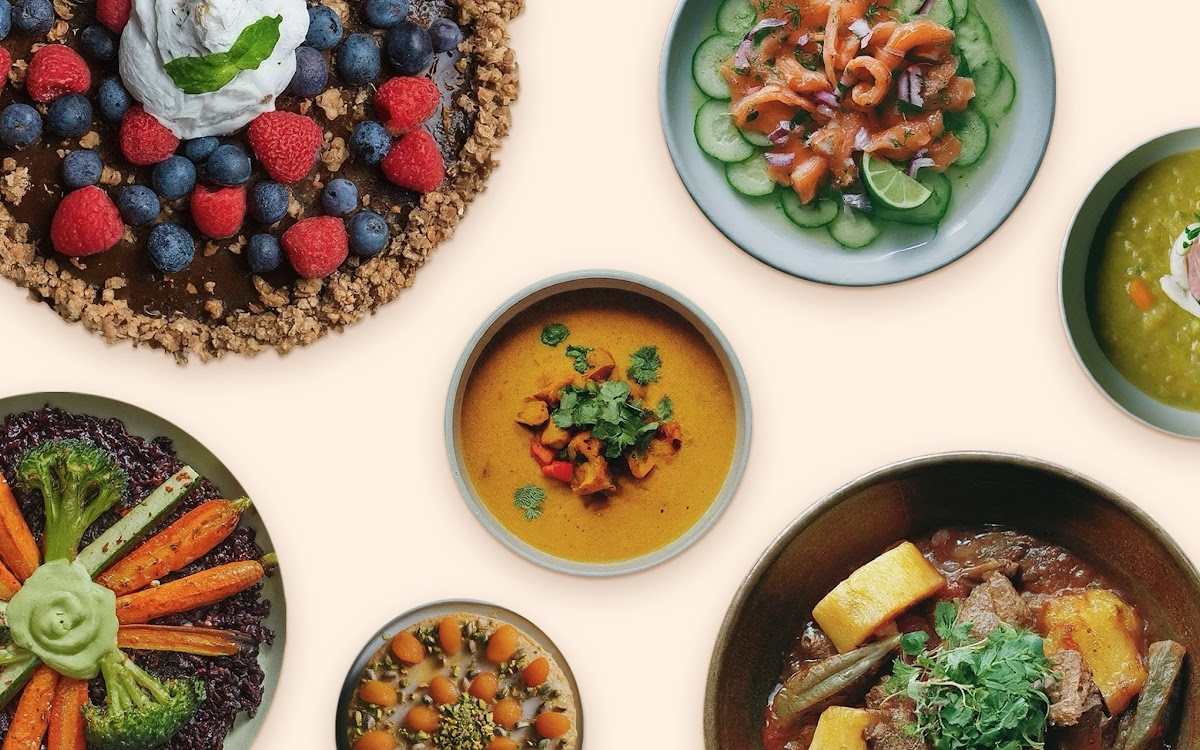
Chefs are moving away from flashy techniques toward ingredients that actually survive heatwaves and droughts. In 2026, the menu is dictated by what grows in depleted soil or with half the usual rainfall. We're finding that these resilient plants often taste better than the pampered monocrops we've relied on for decades.
This isn't simply about swapping ingredients; it’s about embracing resourceful cooking. It’s about looking to traditional foodways for inspiration, understanding the interconnectedness of food systems, and celebrating the diversity of the plant kingdom. The demand for sustainable food choices is rising, and chefs are responding with creativity and a commitment to building a more secure food future. These shifts are driven by consumer demand, but also by a pragmatic need to adapt.
Over the next few years, expect to see these ten flavors – and the stories behind them – increasingly appearing on menus and in kitchens around the world. They represent a move beyond simply reducing our impact, and towards actively working with the environment. They’re a testament to the power of food to connect us to both our past and our future, and they each offer something truly special in terms of taste and nutrition. This is sustainable cooking for 2026, and beyond.
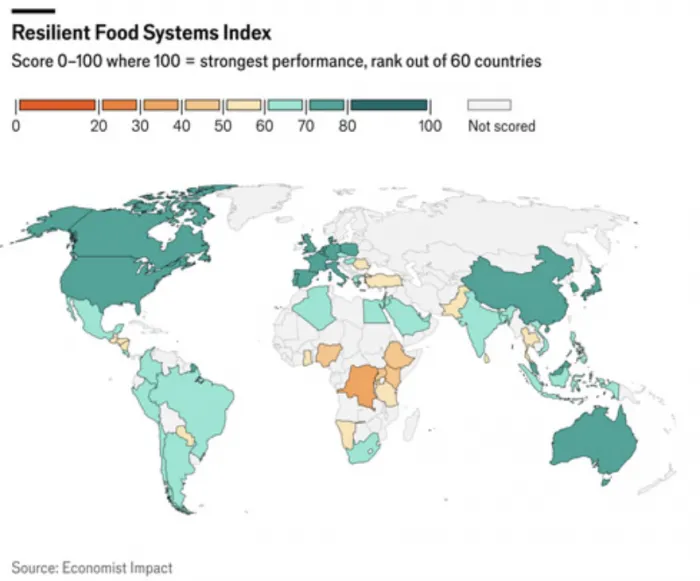
Fonio: the grain that loves drought
Fonio, often called the “seed of the ancients,” is a West African grain experiencing a well-deserved resurgence. For centuries, it’s been a staple food in the region, prized for its incredible drought resistance and rapid growth cycle – it matures in just 60-80 days. It's a remarkable plant, capable of thriving in areas where other grains struggle, making it a beacon of food security in a changing climate. Unlike some ancient grains, fonio doesn’t require processing to remove an outer hull, which saves on water and energy.
Nutritionally, fonio is a powerhouse, boasting a good source of iron, magnesium, and amino acids. Its flavor is mild and slightly nutty, and its texture is light and fluffy when cooked. Chefs are moving beyond traditional uses – like porridge – and incorporating it into everything from salads and pilafs to desserts and even pasta. Chef Pierre Thiam, a leading advocate for fonio, has been instrumental in popularizing it through his restaurant Teranga in New York City and his work with the Fonio Fund.
Fonio has a texture like couscous but with a deeper, earthier finish. It cooks in about five minutes, which is faster than almost any other whole grain. You can find it at specialty shops like Yolélé or through major online retailers.
Moringa: more than a supplement
Moringa oleifera, often touted as the "miracle tree," is a fast-growing, drought-resistant tree native to the Himalayas. Its ability to thrive in harsh climates, coupled with its impressive nutritional profile, has led to its widespread cultivation in tropical and subtropical regions. Every part of the tree – leaves, pods, seeds, roots, and even the bark – is edible and has been used for centuries in traditional medicine and cuisine. It's a truly zero-waste plant.
The 'superfood' label is often thrown around, and while moringa is incredibly nutrient-dense – rich in vitamins, minerals, and antioxidants – it’s important to approach these claims with a bit of skepticism. It’s not a magic bullet, but a valuable addition to a balanced diet. The leaves, in particular, are a good source of protein and vitamin C. Beyond its nutritional value, moringa's resilience makes it a promising crop for regions facing food insecurity.
I'm particularly intrigued by the versatility of moringa. The leaves can be used like spinach, the pods like green beans, and the seeds can be roasted and eaten like nuts. The oil extracted from the seeds is also gaining popularity in cosmetics. However, it’s crucial to source moringa sustainably, ensuring that its cultivation doesn’t contribute to deforestation or water depletion.
Tepary Beans: Desert Resilience on the Plate
Tepary beans (Vigna unguiculata subsp. teku) are a remarkable legume native to the arid Southwest of the United States and Mexico. These beans are exceptionally drought-tolerant, able to survive and produce yields with minimal water – a crucial trait in a world facing increasing water scarcity. They’ve been a staple food for indigenous communities in the region for thousands of years, demonstrating their historical significance and nutritional value.
One of the challenges with tepary beans is their longer cooking time compared to other beans. The tough seed coat requires a longer soak and simmer to become tender. However, chefs are finding ways to overcome this, using techniques like pressure cooking or overnight soaking with a pinch of baking soda. The flavor profile is earthy and slightly sweet, and the texture is creamy when properly cooked. It’s a flavor I’d describe as a more complex pinto bean.
The revitalization of tepary bean cultivation is not just about food security; it’s also about preserving cultural heritage. Organizations like Native Seeds/SEARCH are working to conserve and promote these traditional crops, supporting indigenous farmers and ensuring the continuation of this valuable food source. A step-by-step guide to soaking and cooking tepary beans can be found on their website.
- Soak one cup of beans overnight, then drain and simmer in fresh water for two to three hours.
- Drain and rinse the beans.
- Place the beans in a pot with fresh water and bring to a boil.
- Reduce heat and simmer for 2-3 hours, or until tender.
Sea Buckthorn: A Tart Taste of the Future
Sea Buckthorn (Hippophae rhamnoides) is a thorny shrub that thrives in harsh northern climates, from the Himalayas to the Baltic Sea. It's known for its incredibly high vitamin C content – often exceeding that of oranges – and its distinctive tart flavor. The bright orange berries are packed with antioxidants and essential fatty acids, making them a nutritional powerhouse. Sea buckthorn is a resilient plant, capable of tolerating extreme temperatures and poor soil conditions.
The tartness of sea buckthorn makes it less appealing for direct consumption, but it lends itself beautifully to preserves, sauces, juices, and even alcoholic beverages. The oil extracted from the seeds and pulp is highly prized in the cosmetics industry for its skin-rejuvenating properties. The plant also fixes nitrogen in the soil, improving soil health and reducing the need for synthetic fertilizers.
I'm fascinated by the potential for sustainable sea buckthorn farming. The plant is relatively low-maintenance and can grow on marginal land, making it a viable option for diversifying agricultural landscapes. However, harvesting the berries can be challenging due to the thorny branches, requiring specialized equipment or careful hand-picking.
Black sapote: the chocolate pudding fruit
Black Sapote (Diospyros digyna), native to Mexico and Central America, is a fruit with a surprisingly decadent secret: its flesh tastes remarkably like chocolate pudding. When ripe, the fruit turns a dark, almost black color, and the texture becomes smooth and creamy. It's a unique and intriguing fruit that’s gaining attention as a sustainable alternative to chocolate, particularly as cacao production faces challenges from climate change.
The tree is relatively resilient and can thrive in warmer climates. While the flavor isn't exactly like chocolate, it's close enough to satisfy a sweet tooth. It can be used in mousses, puddings, smoothies, and even as a spread. The fruit contains vitamins A and C, as well as fiber. It’s important to note that the fruit must be fully ripe for the chocolate flavor to develop.
I’m curious about the shelf life of black sapote and how easily it can be transported. It’s a relatively delicate fruit, and maintaining its quality during shipping could be a challenge. However, with proper handling and storage, it has the potential to become a popular and sustainable dessert ingredient.
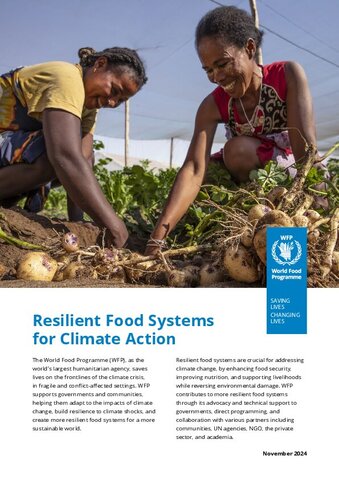
Sorghum: More Than Just a Grain
Sorghum (Sorghum bicolor) is a versatile grain that’s gaining recognition as a sustainable alternative to corn. It’s incredibly drought-resistant, requiring significantly less water than corn to grow. This makes it particularly well-suited for arid and semi-arid regions. Sorghum has a long history of cultivation in Africa, where it remains a staple food for millions of people, and it’s also grown in the US South.
Beyond its resilience, sorghum is incredibly versatile. It can be ground into flour for baking, used to make syrup (sorghum molasses), or fermented into alcoholic beverages. The grain itself has a mild, slightly sweet flavor. Chefs are experimenting with sorghum in everything from gluten-free bread and pancakes to salads and even popcorn. It's a truly adaptable ingredient.
I believe sorghum’s adaptability to different climates is its greatest strength. It can be grown in a wide range of conditions, making it a reliable crop for farmers facing unpredictable weather patterns. It's also a relatively low-input crop, requiring fewer fertilizers and pesticides than corn.
Nopales: The Prickly Pear's Potential
Nopales (prickly pear cactus pads) are a staple in Mexican cuisine, and for good reason. The cactus is exceptionally drought-tolerant, thriving in arid and semi-arid environments. It’s a sustainable food source that requires minimal water and can grow on marginal land. The pads, once the spines are removed, are a nutritious and flavorful vegetable.
Nopales have a slightly tangy, slightly tart flavor and a unique, slightly mucilaginous texture. They're rich in fiber, vitamins, and antioxidants. Chefs are incorporating them into salads, tacos, soups, and even smoothies. They can be grilled, boiled, or sautéed. It’s important to properly prepare nopales to remove all the spines, but the process is straightforward with a bit of practice.
Frequently asked questions about preparing nopales include how to remove the spines and what to do with the mucilage. The spines can be removed by scraping them off with a knife or burning them off with a torch. The mucilage can be reduced by cooking the nopales with a bit of lime juice or by rinsing them thoroughly after cooking. It's a surprisingly easy vegetable to work with once you get the hang of it.
- Wear gloves to protect your hands.
- Scrape off spines with a knife or burn them off with a torch.
- Rinse nopales thoroughly.
- Cook with lime juice to reduce mucilage.
Ube: Purple Yam Power
Ube (Dioscorea alata), a vibrant purple yam from the Philippines, has exploded in popularity in recent years, particularly in desserts. Its naturally sweet flavor and striking color make it a favorite ingredient for cakes, ice cream, and pastries. It’s relatively resilient to pests and diseases, and it can be grown in a variety of climates, though it prefers well-drained soil.
However, the surge in demand for ube raises concerns about its sustainability. Is the increased cultivation putting a strain on resources? Are farmers being fairly compensated? While ube is a relatively resilient crop, over-farming and unsustainable practices could negate its environmental benefits. It’s important to source ube from suppliers who prioritize sustainable agriculture.
Beyond its use in desserts, ube can also be incorporated into savory dishes, such as stews and curries. It has a cultural significance in the Philippines, often used in celebrations and traditional dishes. Its versatility and unique flavor profile make it a compelling ingredient, but we must ensure its production remains sustainable.
Seaweed Comparison: Flavor, Texture, Nutrition & Sustainability
| Seaweed Type | Flavor Profile | Texture | Nutritional Highlights | Sustainability Considerations |
|---|---|---|---|---|
| Kelp | Mild, slightly salty, umami-rich | Firm, can be slightly chewy when fresh; becomes tender when cooked | Excellent source of iodine, calcium, and vitamin K. Contains alginates, a fiber with potential health benefits. | Generally sustainably harvested in many regions, but overharvesting can occur. Look for certified sustainable sources. |
| Nori | Savory, subtly sweet, distinct oceanic flavor | Thin, crisp, and delicate when dry; becomes slightly pliable when toasted | Good source of vitamin A, vitamin C, and iron. Contains taurine, an amino acid. | Cultivation is generally considered sustainable, with minimal environmental impact. Some concerns around water usage in certain farming practices. |
| Wakame | Delicate, subtly sweet, slightly briny | Silky, tender, and slightly slippery when rehydrated | Rich in folate, magnesium, and calcium. Contains fucoidan, a complex carbohydrate with potential anti-inflammatory properties. | Wild harvesting can be destructive to kelp forests. Cultivated wakame is a more sustainable option. Requires careful management to avoid impacts on marine ecosystems. |
| Dulse | Salty, savory, slightly smoky flavor | Tender when rehydrated, can be slightly chewy | Good source of iron, potassium, and vitamin B6. Contains antioxidants. | Harvesting practices vary; sustainable harvesting is possible with careful management of wild populations. |
| Kombu | Intense umami flavor, savory and slightly sweet | Thick, leathery, and firm when dry; softens when simmered | Excellent source of iodine and glutamic acid, contributing to umami flavor. | Sustainability depends on harvesting location and methods. Some areas are carefully managed, while others face overharvesting concerns. |
| Sea Lettuce | Mildly salty, slightly sweet, fresh oceanic flavor | Thin, delicate, and tender | Contains vitamins A and C, as well as minerals like calcium and iron. | Generally considered sustainable when harvested responsibly from healthy populations. |
Illustrative comparison based on the article research brief. Verify current pricing, limits, and product details in the official docs before relying on it.


No comments yet. Be the first to share your thoughts!