
A Taste of Tomorrow: VR & Food
For generations, experiencing a new cuisine meant travel – booking flights, navigating unfamiliar streets, and hoping the local recommendations lived up to the hype. Now, in 2026, that’s starting to change. Virtual reality is poised to revolutionize how we interact with food, offering immersive experiences that transport us to the heart of culinary cultures without ever leaving our kitchens.
We’ve already seen the rise of online cooking classes and virtual food tours, but these feel like precursors to something much more substantial. The technology is catching up to the ambition. Better headsets, more sophisticated software, and a growing willingness to embrace digital experiences are converging to create a genuine appetite for VR food tourism.
I believe the most compelling applications of this technology lie in recreating the energy of street food scenes. Street food isn’t just about the taste; it’s about the atmosphere, the sounds, the smells, and the feeling of being part of a vibrant community. Replicating that in VR is a huge challenge, but the potential rewards are immense. It's about more than just replicating a dish; it's about recreating a memory.
Imagine stepping into a bustling Bangkok night market, the aroma of pad thai filling your virtual nostrils, the chatter of vendors surrounding you. That's the promise of VR food tourism in 2026, and it's a future I find incredibly exciting.
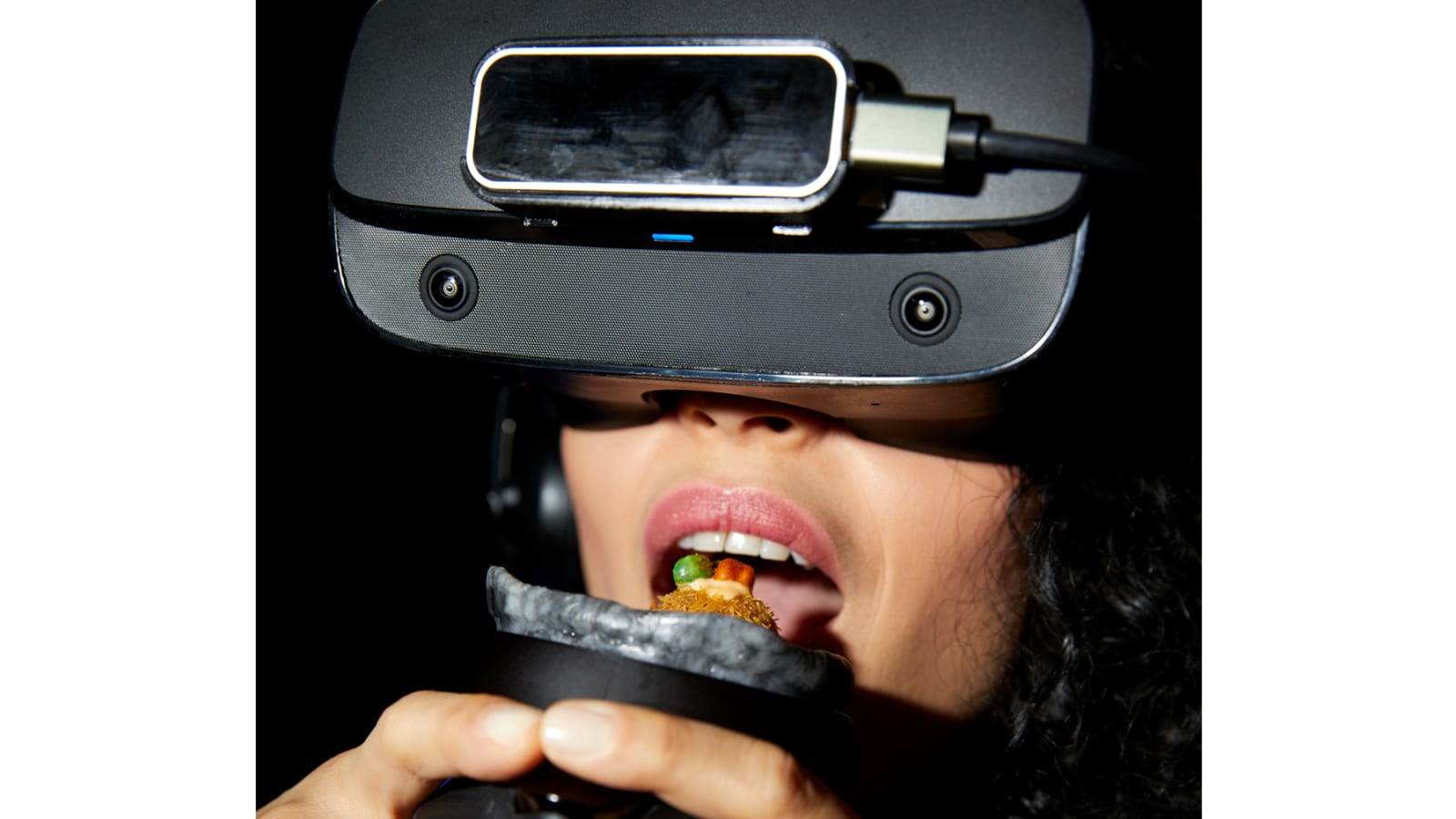
Beyond the Plate: Immersion Technologies
The VR hardware landscape has shifted dramatically since 2023. While high-end headsets still exist for dedicated enthusiasts, the mainstream market in 2026 is dominated by lightweight, affordable devices offering high resolution and impressive refresh rates. The Meta Quest 3, for example, has become the standard, and competitors like the HTC Vive XR Elite are pushing the boundaries of what's possible.
But visual fidelity is only part of the equation. The real game-changer is the integration of haptic technology. Haptic suits, though still relatively expensive, are becoming more accessible, allowing users to feel textures and temperatures. Imagine feeling the warmth of a freshly baked tortilla or the slight resistance when slicing through a ripe mango. It's a significant step towards complete sensory immersion.
Then there's the question of smell. 'Smell-o-vision' hasn't quite taken off as predicted, unfortunately. While companies are experimenting with scent-emitting devices that sync with VR experiences, the technology is still clunky and expensive. However, we’re seeing more sophisticated aroma diffusers designed to complement specific VR food experiences, offering a more subtle but effective olfactory component.
Currently, the biggest limitations remain cost and processing power. Creating truly realistic and interactive VR environments requires significant computing resources. But as hardware continues to improve and prices fall, these barriers will gradually diminish.
Street Food's Virtual Journey
Street food is uniquely suited for VR tourism. Unlike a formal dining experience, street food is inherently tied to a specific place and culture. It's about the energy of the location, the interaction with the vendor, and the overall sensory overload. Recreating these elements in VR is a formidable challenge, but one that unlocks a particularly powerful experience.
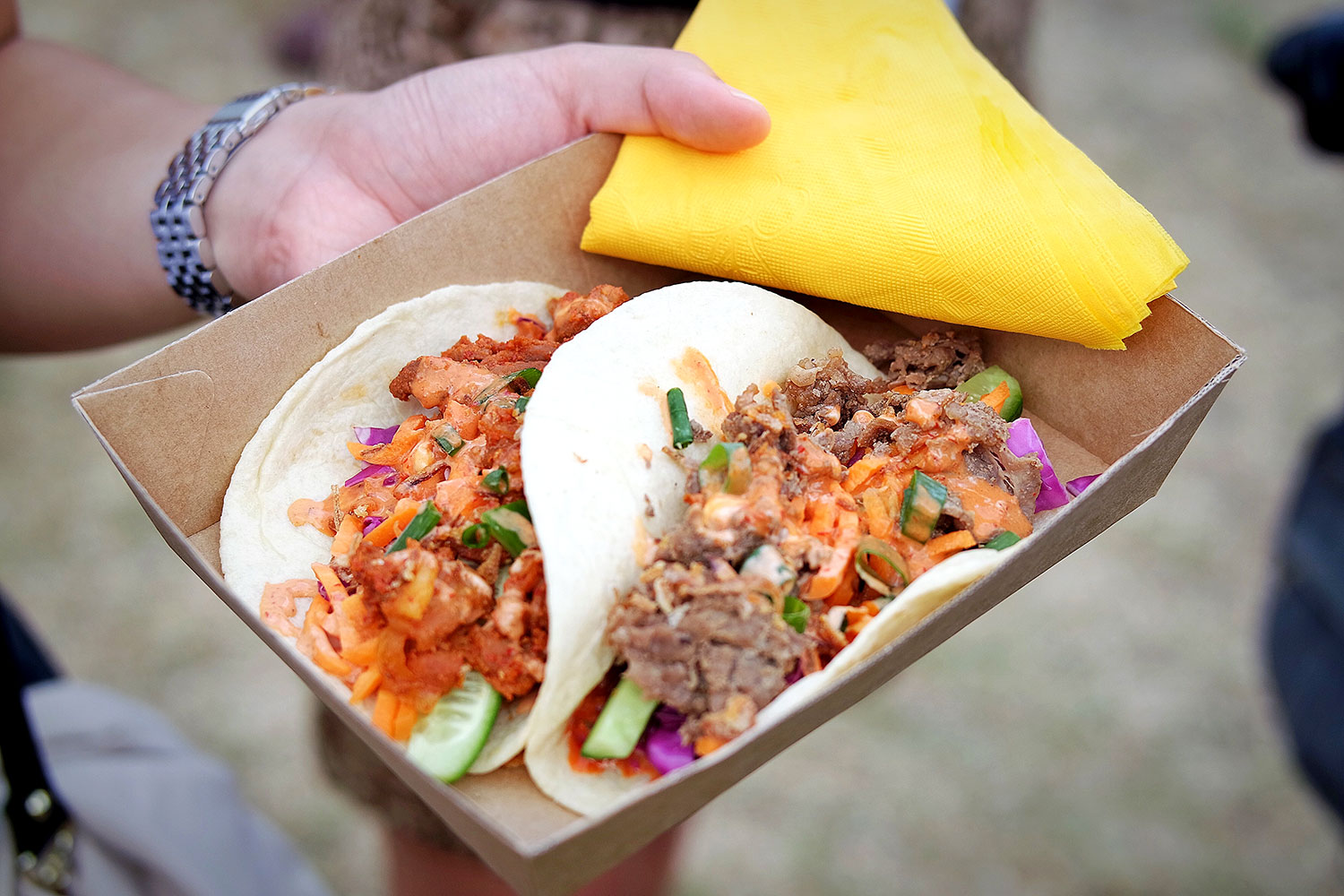
Consider the sizzle of a Korean BBQ skewer, the fragrant steam rising from a Vietnamese pho stall, or the rhythmic chopping of ingredients at a Mexican taco stand. These aren't just visual cues; they're auditory and olfactory triggers that contribute to the overall experience. VR developers are experimenting with spatial audio and directional scents to replicate these sensations.
The challenge lies in accurately capturing and translating these sensory details. It's not enough to simply show a bustling market; you need to make the user feel like they're actually there. This requires sophisticated motion capture, realistic sound design, and, potentially, haptic feedback that simulates the textures and temperatures of the food.
Several projects are already exploring this territory. Companies like Culinary VR are developing experiences that allow users to virtually visit street food markets around the world, while others are focusing on recreating specific dishes in detail. The goal is to create a truly immersive and authentic experience that transcends the limitations of traditional VR content.
Flavors 2026 & Beyond: Food Festivals Reimagined
Events like the Orange Bowl Food & Wine Celebration, as highlighted on instagram.com/@insidefpl, represent a huge opportunity for VR integration. Imagine being able to "attend" multiple food festivals around the world in a single weekend, sampling dishes from different cultures without the cost and hassle of travel.
For attendees, the benefits are obvious: convenience, affordability, and access to a wider range of culinary experiences. For event organizers, VR offers a new revenue stream and the opportunity to reach a global audience. They could sell virtual tickets, offer exclusive VR-only experiences, and collect valuable data on attendee preferences.
The possibilities for interactive elements are endless. Virtual cooking demonstrations led by celebrity chefs, live Q&A sessions with food vendors, and even virtual competitions could all be incorporated into the VR experience. Attendees could also collaborate with others, sharing their culinary creations and exchanging recipes.
TravelHost.com mentions several iconic US food festivals in 2026, and it’s easy to envision these events having a robust VR presence. This isn't about replacing the in-person experience, but rather augmenting it and making it accessible to a wider audience. It’s about extending the festival beyond its physical location and time constraints.
US Food Festivals for VR
- National Cherry Festival (Traverse City, Michigan) - Held annually in late July, this festival celebrates the cherry harvest with parades, pie-eating contests, and a wide array of cherry-infused foods. The vibrant atmosphere and focus on a single, iconic ingredient would translate well to a VR experience, allowing users to 'taste' different cherry products and participate in festival events.
- Gilroy Garlic Festival (Gilroy, California) - Though temporarily paused, the Gilroy Garlic Festival historically showcased garlic in nearly every conceivable form. Recreating the sights, smells, and tastes (through suggested recipes) of this garlicky paradise in VR would be a unique and immersive experience.
- New Orleans Jazz & Heritage Festival (New Orleans, Louisiana) - Beyond the music, this festival is a culinary highlight, offering a diverse range of Louisiana cuisine, from gumbo and jambalaya to beignets and po'boys. VR could capture the bustling food stalls, live music, and the overall energy of this iconic event.
- Taste of Chicago (Chicago, Illinois) - This free festival features food vendors representing Chicago's diverse culinary scene. A VR adaptation could allow users to sample virtual portions from dozens of restaurants and experience the large-scale event without the crowds.
- South Beach Wine & Food Festival (Miami Beach, Florida) - Combining celebrity chef demonstrations, wine tastings, and beachfront dining, this festival offers a sophisticated culinary experience. VR could recreate the upscale atmosphere and allow users to 'attend' exclusive events and learn from renowned chefs.
- Wisconsin State Fair (West Allis, Wisconsin) - Known for its deep-fried everything and agricultural exhibits, the Wisconsin State Fair provides a uniquely American food experience. The sheer variety of unusual and indulgent foods would make for a compelling VR exploration.
- Maryland Seafood Festival (Crisfield, Maryland) - Celebrating the Chesapeake Bay’s bounty, this festival focuses on crab, oysters, and other local seafood. A VR experience could transport users to the waterfront, allowing them to virtually crack crabs and enjoy the freshest seafood.
The Recipe Connection: Cooking Along
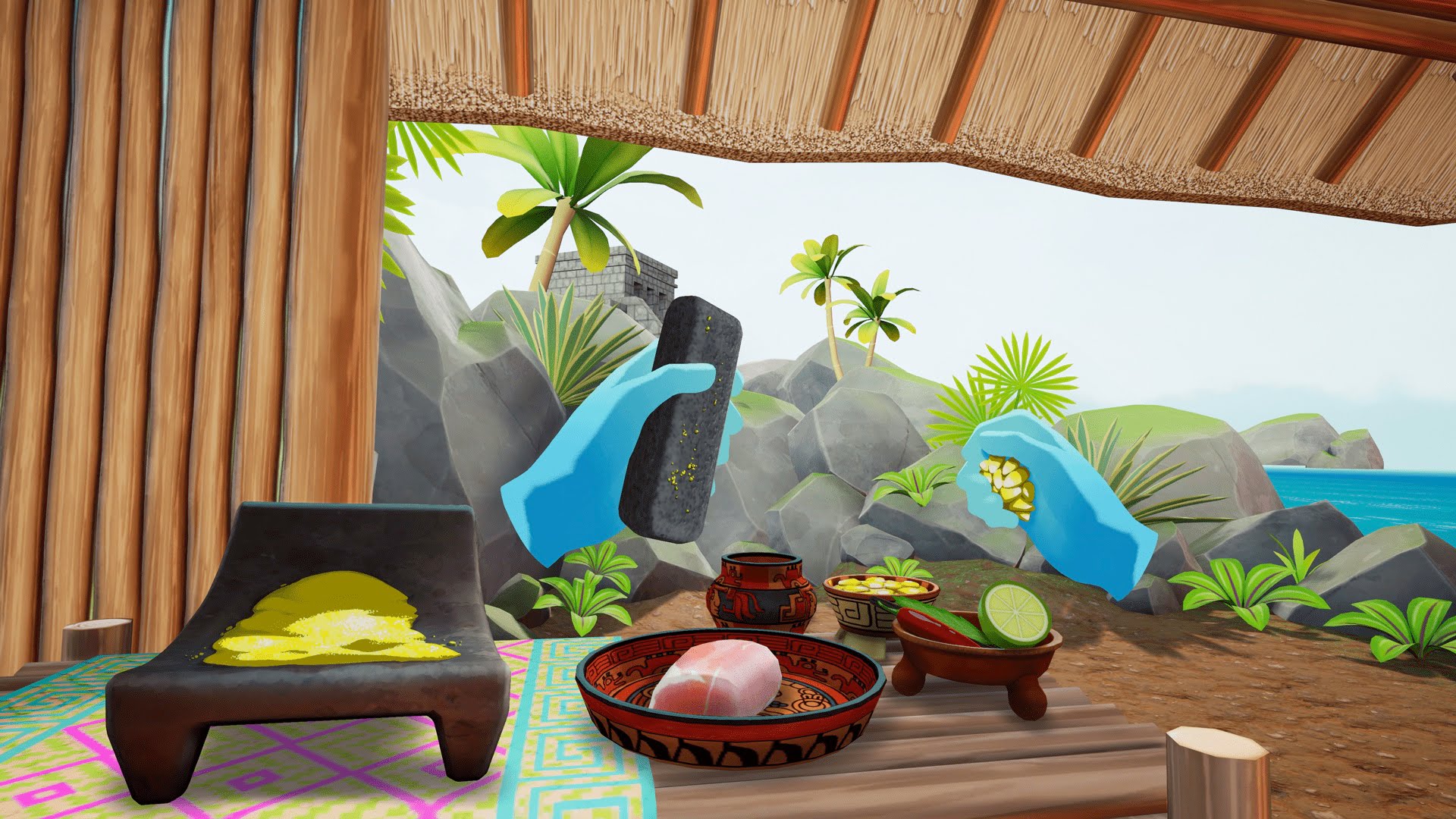
VR isn't just about passively observing food; it's about actively participating in its creation. The integration of VR with cooking is a particularly exciting prospect. Imagine a virtual chef guiding you through a complex recipe, providing real-time feedback on your technique.
This could work by tracking your movements with sensors and providing visual cues to correct your form. For example, if you're chopping vegetables, the VR experience could highlight the correct angle and speed. If you’re kneading dough, it could provide haptic feedback to help you achieve the right consistency. The system could even analyze the ingredients you're using and adjust the recipe accordingly.
To facilitate this, companies could ship pre-portioned ingredients directly to your door. The VR experience would then guide you through the cooking process, step-by-step. The system could also adapt to your skill level, offering more detailed instructions for beginners and allowing experienced cooks to experiment with their own variations.
Of course, considerations need to be made for allergies and dietary restrictions. The VR experience would need to be customizable to accommodate individual needs. But the potential to learn new cooking skills and explore global cuisines from the comfort of your own kitchen is immense.
TechCrunch's Take: AR/VR's Impact
TechCrunch’s reporting on the impact of augmented and virtual reality on the food industry (techcrunch.com) highlights several key trends that align directly with the VR food tourism concept. They emphasize the potential for AR/VR to enhance the dining experience, improve food safety, and streamline supply chain operations.
Specifically, the article points to the growing use of AR/VR for training purposes, allowing chefs and food handlers to practice their skills in a safe and controlled environment. This training aspect translates well to the 'cooking along' VR experiences we’ve discussed. They also note the potential for AR/VR to personalize the dining experience, tailoring menus and recommendations to individual preferences.
TechCrunch also foresees challenges, particularly around the cost and complexity of implementing these technologies. They caution that widespread adoption will require significant investment in hardware and software, as well as a skilled workforce to develop and maintain these systems. They also raise concerns about data privacy and security.
Overall, TechCrunch’s analysis paints a picture of a food industry undergoing a significant transformation, driven by the rapid advancements in AR/VR technology. It reinforces the idea that VR food tourism is not just a futuristic fantasy, but a realistic possibility with the potential to reshape how we interact with food.
Authenticity & Access: The Future of Taste
As VR food tourism becomes more widespread, it’s crucial to address the ethical considerations. How do we ensure that these virtual experiences are authentic and respectful of the cultures they represent? It’s easy to fall into the trap of cultural appropriation, presenting a sanitized or stereotypical version of a cuisine. We need to prioritize collaboration with local communities and ensure that they benefit from the technology.
Supporting local food vendors is also essential. VR food tourism shouldn’t replace the need to support real-world businesses; it should complement it. Perhaps VR experiences could include links to online stores or restaurants, allowing users to purchase ingredients or book a table at the actual establishment.
The potential to democratize access to global cuisine is significant. VR could allow people from all over the world to experience flavors and cultures they might otherwise never have the opportunity to encounter. However, we must also be mindful of the potential for this technology to exacerbate existing inequalities. Access to VR hardware and reliable internet connectivity is not universal.
Ultimately, the future of VR food tourism depends on our ability to balance technological innovation with cultural sensitivity and social responsibility. It’s about creating experiences that are not only immersive and entertaining but also meaningful and respectful. It's a complex challenge, but one worth pursuing.

No comments yet. Be the first to share your thoughts!