
Beyond the Apple: Fruits Trending in '26
For years, the produce aisle felt…predictable. Apples, bananas, oranges – reliable, yes, but not exactly inspiring. That’s changing. Consumers are actively seeking out new flavor experiences, and in 2026, that means a shift toward the exotic.
We're seeing a real appetite for fruits beyond the usual suspects. This isn’t just a passing fad; it’s driven by a combination of factors. Social media platforms like Instagram are showcasing these vibrant options, while growing health consciousness pushes people towards nutrient-rich, unique foods. Plus, chefs and home cooks alike are constantly experimenting.
Expect to see a surge in demand for fruits that offer not only interesting flavors but also a story. We'll be taking a closer look at seven fruits poised to dominate in 2026: dragon fruit, jackfruit, rambutan, lychee, mangosteen, passion fruit, and starfruit. Each brings something different to the table, and I think you’ll be surprised at their versatility.

Dragon Fruit: Smoothie Bowl Superstar
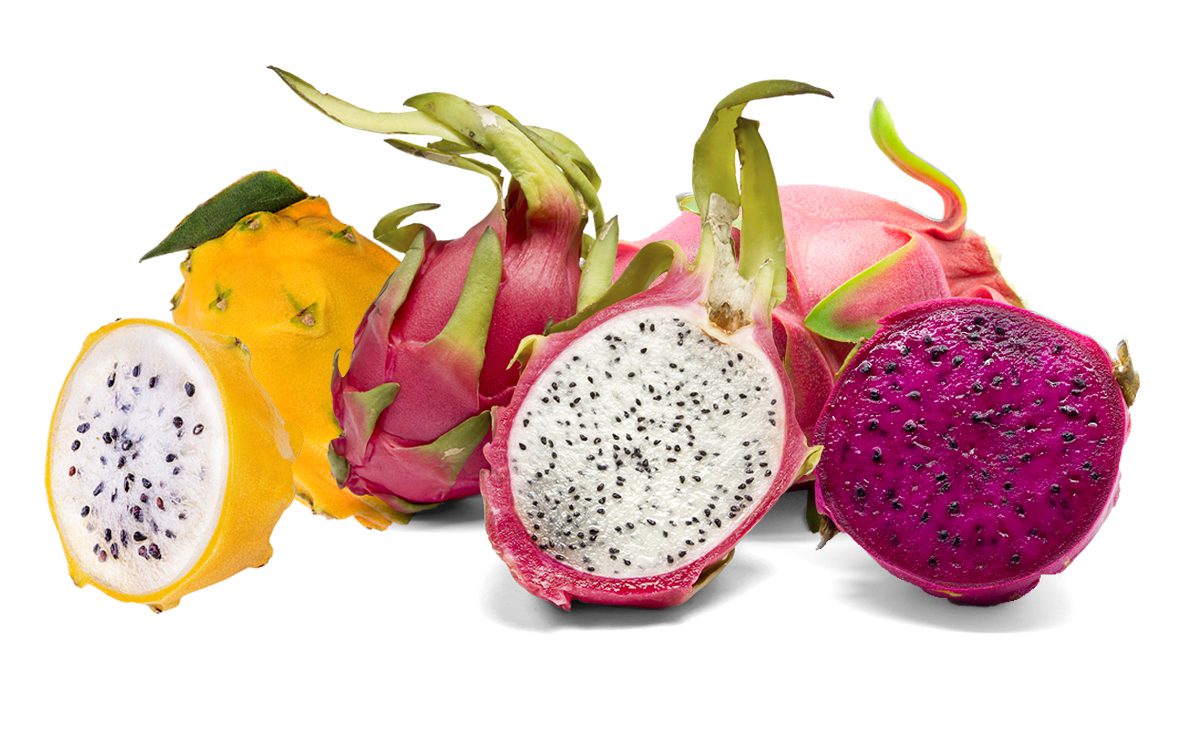
Dragon fruit, also known as pitaya, has exploded in popularity over the past few years. Originating in Central America, it’s now cultivated in Southeast Asia, Australia, and even parts of the United States. There are several varieties, distinguished by their flesh color – red, white, and even yellow – all encased in a striking pink or yellow skin.
The flavor is surprisingly mild, often described as subtly sweet, almost like a cross between a kiwi and a pear. This isn't necessarily a drawback, though. Its mildness makes it incredibly versatile. It’s become a star ingredient in smoothie bowls, lending a beautiful pink hue and a boost of antioxidants. You’ll also find it juiced, blended into yogurts, or even used as a natural food coloring.
Dragon fruit is a good source of fiber, prebiotics, and vitamin C. It's the antioxidants that really capture attention, though. I've noticed it pairs particularly well with citrus fruits and berries, as they provide a complementary tartness that balances the dragon fruit's subtle sweetness. It’s a visually striking fruit, too, which undoubtedly contributes to its appeal.
Jackfruit: The Plant-Based Pulled Pork
Jackfruit is quickly becoming a staple in plant-based kitchens, and for good reason. This massive fruit, native to South Asia, has a remarkable ability to mimic the texture of pulled pork when unripe. It’s incredibly versatile, absorbing flavors beautifully, and is now commonly used in vegan tacos, curries, and sandwiches.
It’s important to understand the difference between ripe and unripe jackfruit. Ripe jackfruit is sweet and fragrant, with a flavor often compared to mango or pineapple. Unripe jackfruit, however, is neutral in flavor and has a meaty texture. That’s the one you want for savory dishes. Preparing it does take some effort – it's a large fruit with a sticky sap – but the results are worth it.
The biggest concern I hear is about the texture; some find it can be bland or mushy. The key is to properly prepare it. Boiling the unripe jackfruit for about 20-30 minutes before shredding it helps develop a more fibrous, pork-like consistency. The good news is jackfruit is becoming increasingly available in mainstream grocery stores, often pre-cut and packaged for convenience.
- Jackfruit tacos: Shredded unripe jackfruit marinated in smoky chipotle sauce, served with your favorite taco toppings.
- Jackfruit curry: A fragrant curry with tender jackfruit simmered in coconut milk and spices.
- Vegan pulled pork sandwiches: Jackfruit slow-cooked in barbecue sauce and piled high on a bun.
Rambutan & Lychee: Spiky Sweetness
Rambutan and lychee are often mistaken for each other, and it’s easy to see why. Both are small, round fruits with a bumpy, reddish exterior. Rambutan is covered in soft, hair-like spines, while lychee has a smoother, slightly rough shell. Both originate from Southeast Asia and offer a similar sweet and floral flavor profile.
Inside, you’ll find translucent white flesh surrounding a single seed. The flavor is often described as a combination of grape, rose, and strawberry. They’re delicious eaten fresh, added to fruit salads, or used in cocktails. They’re also commonly canned in syrup, though the fresh fruit is undeniably superior.
Both fruits have a relatively short season, typically available from June to August. Peeling them does require a bit of effort – you need to carefully cut or tear the skin to reveal the flesh. This can be a deterrent for some, but the reward is well worth it. They’re perfect for adding an exotic touch to desserts or simply enjoying as a refreshing snack.
Mangosteen: The 'Queen of Fruits'
Mangosteen is often called the 'Queen of Fruits' for a reason. This Southeast Asian fruit boasts a thick, deep purple rind that reveals segments of juicy, snow-white flesh. The flavor is a delicate balance of sweet and tangy, with hints of peach, strawberry, and vanilla.
Mangosteen is renowned for its antioxidant properties, specifically its high concentration of xanthones. These compounds have been linked to various health benefits, though more research is needed to confirm these claims. Historically, importing mangosteen has been challenging due to strict regulations and a short shelf life, making it a relatively expensive fruit.
However, availability is slowly increasing as cultivation expands and import procedures become more streamlined. I'm not sure about the extent of the health benefits, but its unique flavor and beautiful presentation certainly make it a desirable fruit to try. It's definitely a treat.
Passion Fruit: Tart and Aromatic
Passion fruit is instantly recognizable by its intensely aromatic fragrance. The fruit itself has a tough, wrinkled skin that can be purple or yellow when ripe. Inside, you’ll find a cavity filled with juicy, seedy pulp.
The flavor is intensely tart and slightly sweet, with a tropical aroma. It’s commonly used in juices, desserts, and as a topping for yogurt or ice cream. The seeds are edible and add a pleasant crunch. There are different varieties, with some being sweeter than others.
I've noticed a growing trend of passion fruit flavoring in sparkling water and other beverages, which is a testament to its popularity. To tell if a passion fruit is ripe, look for a slightly wrinkled skin and a heavy weight for its size. It should yield slightly to gentle pressure.
- How do I eat passion fruit? Cut it in half and scoop out the pulp and seeds with a spoon.
- What does passion fruit taste like? It's tart, sweet, and very aromatic.
- Where can I find passion fruit? Asian grocery stores and some supermarkets carry it.
- Where can I find passion fruit? Asian grocery stores and some supermarkets carry it.
Starfruit: A Slice of Sunshine
Starfruit, also known as carambola, is named for its distinctive star shape when sliced. This tropical fruit has a thin, edible skin and a crisp, juicy flesh. The flavor is slightly tart and sweet, with a refreshing quality.
It’s often used in salads, cocktails, and as a garnish. Its vibrant yellow color and unique shape make it a visually appealing addition to any dish. Starfruit is a good source of vitamin C and fiber. It's a relatively low-calorie fruit, making it a healthy snack option.
However, it’s important to note that starfruit contains oxalic acid, which can be harmful to people with kidney problems. It’s best to consult with a doctor before consuming it if you have any kidney issues. Beyond that, it’s a delightful fruit that adds a touch of sunshine to any meal.
Where to Find These Fruits
Finding these exotic fruits is becoming easier, but it still requires a little effort. Your best bet is to start with Asian grocery stores, which typically carry a wider selection of tropical produce. Farmers' markets are another great option, especially during peak season.
Increasingly, mainstream supermarkets are also beginning to stock these fruits, although availability can vary depending on your location. Online retailers specializing in exotic produce are also a convenient option, though shipping costs can be high. Expect to pay a premium for fruits that are imported or out of season.
Seasonality is key. Dragon fruit, rambutan, and lychee are typically available during the summer months, while passion fruit has a longer season. Mangosteen and starfruit can be found year-round, but their quality and price may fluctuate. Be prepared to experiment and explore – discovering these fruits is part of the fun.
- Asian grocery stores: Best selection and often the most affordable prices.
- Farmers’ markets: Seasonal availability and fresh, local produce.
- Mainstream supermarkets: Increasing availability, but selection may be limited.
- Online Retailers: Convenient, but shipping costs can be high.
Rising Exotic Fruits in 2026
| Fruit Name | Typical Seasonality (US) | Supermarket Availability (1-5 stars) | Best Place to Buy |
|---|---|---|---|
| Dragon Fruit (Pitaya) | June - November | 3 stars | Asian markets, some larger grocery chains |
| Rambutan | September - December | 2 stars | Asian markets, specialty produce stores |
| Mangosteen | May - August | 1 star | Specialty importers (online), limited availability in select markets |
| Jackfruit | May - August | 3 stars | Asian markets, increasingly available in larger supermarkets |
| Durian | June - September | 1 star | Asian markets, specialty fruit vendors |
| Buddha's Hand Citron | November - December | 2 stars | Specialty produce stores, Asian markets |
| Cherimoya | Fall - Winter | 2 stars | Farmers markets, specialty produce stores |
Illustrative comparison based on the article research brief. Verify current pricing, limits, and product details in the official docs before relying on it.




No comments yet. Be the first to share your thoughts!