
Beyond the Avocado: Why These Fruits Are Suddenly Everywhere
For years, the avocado reigned supreme as the "it’ fruit, gracing toast and smoothie bowls across Instagram. But 2026 is shaping up to be the year of the exotic. A shift is happening in what people want from their food; it’s no longer just about health or convenience, it’s about experience and discovery. Social media platforms, particularly TikTok and Instagram, are acting as powerful catalysts for this change, exposing millions to fruits they"ve likely never seen before.
Consumers are actively seeking out novelty. This isn’t just about taste, but about the story behind the food, the visual appeal, and the opportunity to share something unique with their followers. Food influencers are playing a huge role, showcasing these unusual fruits in creative ways and driving demand. It’s a feedback loop: more exposure leads to more interest, which leads to more content, and so on.
This trend is also connected to a broader desire for global flavors and a rejection of the mundane. People are looking to transport themselves through food, even if only for a moment. These exotic fruits offer a little bit of adventure on a plate. The visual aspect is incredibly important; these fruits aren’t just delicious, they’re photogenic and perfectly suited for the curated aesthetics of social media.
Rambutan: The Hairy Fruit Taking TikTok by Storm
Rambutan, with its striking appearance, is currently dominating TikTok feeds. Originating from Southeast Asia, this fruit is easily recognizable by its red outer shell covered in soft, hair-like spines. Don’t worry, the "hairs’ aren"t meant to be eaten – the shell is peeled to reveal a translucent white flesh inside.
The taste is often compared to lychee, but with a slightly creamier texture and a delicate, sweet-tart flavor. It's not overly acidic, making it very approachable. This is a surprisingly refreshing fruit, especially when chilled. A single rambutan provides a good source of Vitamin C and about 1.3 grams of fiber, according to data from the University of California, Riverside.
Some people are initially hesitant because of the appearance, but once they try it, they’re usually hooked. A common misconception is that the spines are sharp or dangerous, but they’re quite soft and flexible. The seed is not edible, but the rest of the fruit is perfectly safe and delicious. You can often find rambutan canned in syrup, but fresh is always best when available.
Mangosteen: The 'Queen of Fruits' and Its Instagram Appeal
Often referred to as the "Queen of Fruits,’ Mangosteen has a long history of being favored by royalty in Southeast Asia. The fruit is about the size of a small apple and has a thick, deep purple rind. When you cut it open, you reveal segments of snow-white flesh, creating a beautiful color contrast that"s perfect for Instagram.
The flavor is a delightful balance of sweet and tangy, with a subtle floral aroma. It’s often described as a combination of strawberry, peach, and vanilla. The perceived exclusivity of mangosteen, historically difficult to import and therefore expensive, contributes to its social media allure. It feels like a special treat.
Beyond its taste, mangosteen is gaining attention for its health benefits. It’s rich in xanthones, powerful antioxidants that have been linked to various health benefits. Preliminary studies suggest xanthones may have anti-inflammatory and immune-boosting properties, though more research is needed. You can find Mangosteen juice and supplements, but fresh is always preferable.

Buddha's Hand: More Than Just a Pretty Face
Buddha’s Hand citron is instantly recognizable by its unique shape – it looks like a lemon that’s been split into finger-like sections. Originating from Asia, this fruit is primarily valued for its intensely fragrant zest, rather than its flesh. The aroma is powerfully floral and citrusy.
Unlike most citrus fruits, Buddha’s Hand has very little pulp or juice. It’s not typically eaten raw. Instead, the zest is used to flavor desserts, candies, and even alcoholic beverages. The peel can also be candied, making a beautiful and fragrant treat. It's a common offering in Buddhist temples, symbolizing happiness, longevity, and good fortune.
Its flavor is less about sweetness and more about the captivating aroma. It’s a subtle citrus flavor, but the fragrance is what truly sets it apart. You’ll find it used in perfumes and aromatherapy as well. It’s a fruit that engages multiple senses.
Salak (Snake Fruit): A Texture You Won't Forget
Salak, also known as snake fruit, earns its name from its reddish-brown, scaly skin that resembles a reptile’s scales. Native to Indonesia, this fruit offers a truly unique sensory experience. The skin is relatively thin and easily peeled, revealing segments of off-white flesh.
The flavor is complex and surprisingly diverse, often described as a blend of pineapple, banana, and nuts. It has a slightly acidic tang, and the texture is crunchy and somewhat dry. Some compare it to apples, but with a much more assertive flavor. Salak is definitely a polarizing fruit – people tend to either love it or hate it!
It's not a fruit for the faint of heart, but those who appreciate unusual textures and bold flavors will find it incredibly rewarding. The fruit contains a large seed that is not eaten. It’s a good source of fiber and antioxidants, but it’s the unique experience that truly sets it apart. It's becoming more available in specialty Asian markets.
Content is being updated. Check back soon.
Durian: The Controversial King of Fruits
Durian is arguably the most infamous fruit on this list, known for its incredibly strong and pungent odor. Described by some as smelling like gym socks, sewage, or even turpentine, the smell is due to sulfur compounds. Despite the smell, it’s considered a delicacy in Southeast Asia and is often referred to as the "King of Fruits."
The flavor is surprisingly complex and creamy, often described as a blend of custard, almonds, and cheese, with savory notes. Different durian varieties have slightly different flavors and textures. It’s banned in some public spaces, like hotels and public transportation, due to the overpowering smell. Despite the smell, many people find the flavor irresistible.
Durian holds significant cultural importance in Southeast Asia, often associated with celebrations and special occasions. It’s a fruit that evokes strong reactions – people either love it or vehemently dislike it. It’s a truly unique experience, and I’m not sure everyone will enjoy it, but it’s undeniably a conversation starter. The 2026 Florida Mango Festival, as seen on YouTube, is also expanding its tropical fruit offerings, potentially including more Durian varieties.
Content is being updated. Check back soon.
Cherimoya: The Custard Apple with a Tropical Twist
Cherimoya, often called the custard apple, is a sweet and creamy fruit native to the Andes Mountains of South America. It has a green, scaly skin and a heart-shaped appearance. The flesh is white and custard-like, with large, black seeds scattered throughout. You eat it by scooping out the flesh with a spoon.
The flavor is a delightful blend of banana, pineapple, and strawberry, with a hint of vanilla. It’s incredibly sweet and refreshing, making it a perfect dessert. However, it’s important to note that the seeds are poisonous and should never be consumed. Always discard the seeds before enjoying the fruit.
Cherimoya is a good source of Vitamin C and fiber. It’s a relatively delicate fruit and doesn’t ship well, which is why it’s often more expensive and harder to find. It’s best enjoyed when ripe, which is when the skin yields slightly to gentle pressure. This fruit is gaining traction on Instagram, with users sharing photos of its unique texture and flavor.
Where to Find These Fruits
- Buddha's Hand Citron - Often found in Asian markets or specialty produce stores. Melissa's Produce ships nationally and frequently carries it seasonally. Expect to pay around $20-$40 per fruit.
- Rambutan - Available frozen at many Asian grocery stores and increasingly at larger chains. Weee! is an online grocer specializing in Asian foods and ships nationally. Prices vary, approximately $8-$15 per pound.
- Mangosteen - Due to import restrictions, fresh mangosteen can be difficult to find. Tropical Fruit Box sometimes offers it seasonally, shipping nationwide (availability dependent on regulations). Expect higher prices, around $20-$30 per pound.
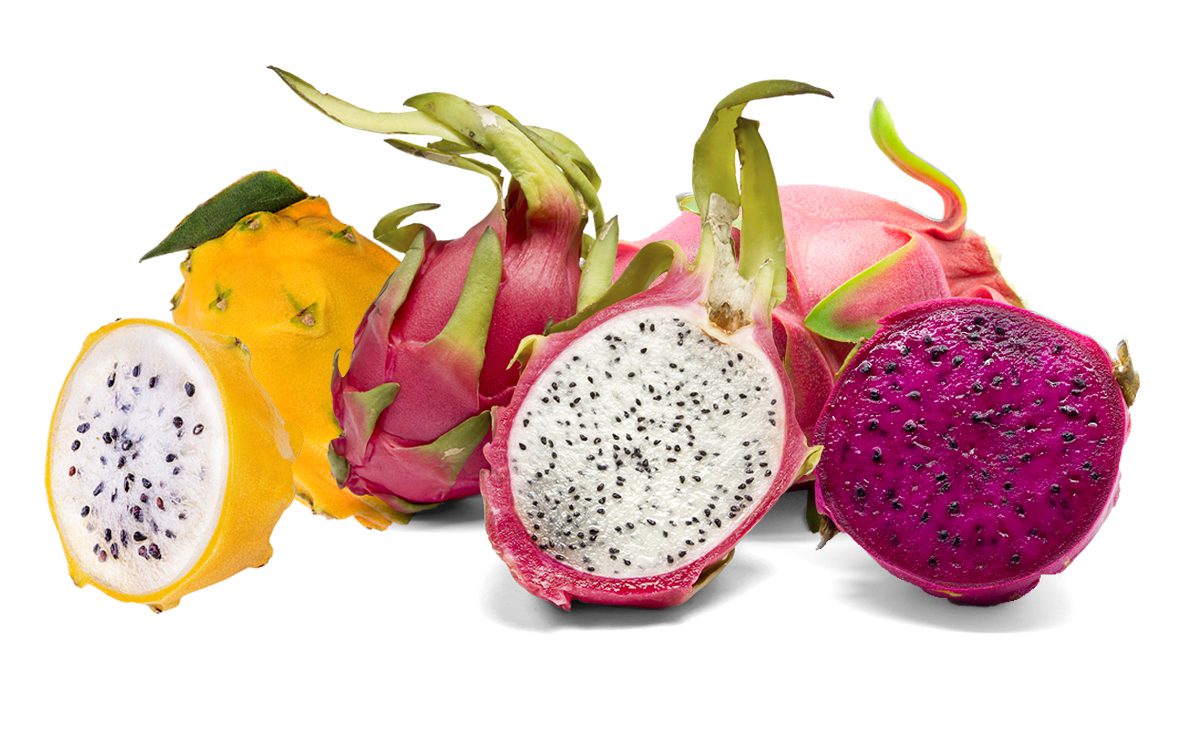
- Dragon Fruit (Pitaya) - Becoming more mainstream, dragon fruit is available at many grocery stores like Whole Foods and Trader Joe's. Miami Fruit specializes in rare and exotic fruits and ships nationally. Prices range from $5-$10 per fruit.
- Salak (Snake Fruit) - Primarily found in Asian markets. Farm Fresh Direct occasionally carries salak, offering nationwide shipping. Pricing is roughly $10-$20 per pound.
- Cherimoya - Often available at specialty produce markets and some well-stocked grocery stores. California Fruit ships select seasonal fruits, including cherimoya, across the US. Expect to pay around $8-$15 per fruit.
- Jabuticaba - This fruit is very difficult to find fresh outside of Brazil. Frozen jabuticaba pulp is available from some online retailers like Amazon (prices vary significantly depending on vendor and quantity).




No comments yet. Be the first to share your thoughts!