
A Visual Feast: First Impressions of Dragon Fruit & Passion Fruit
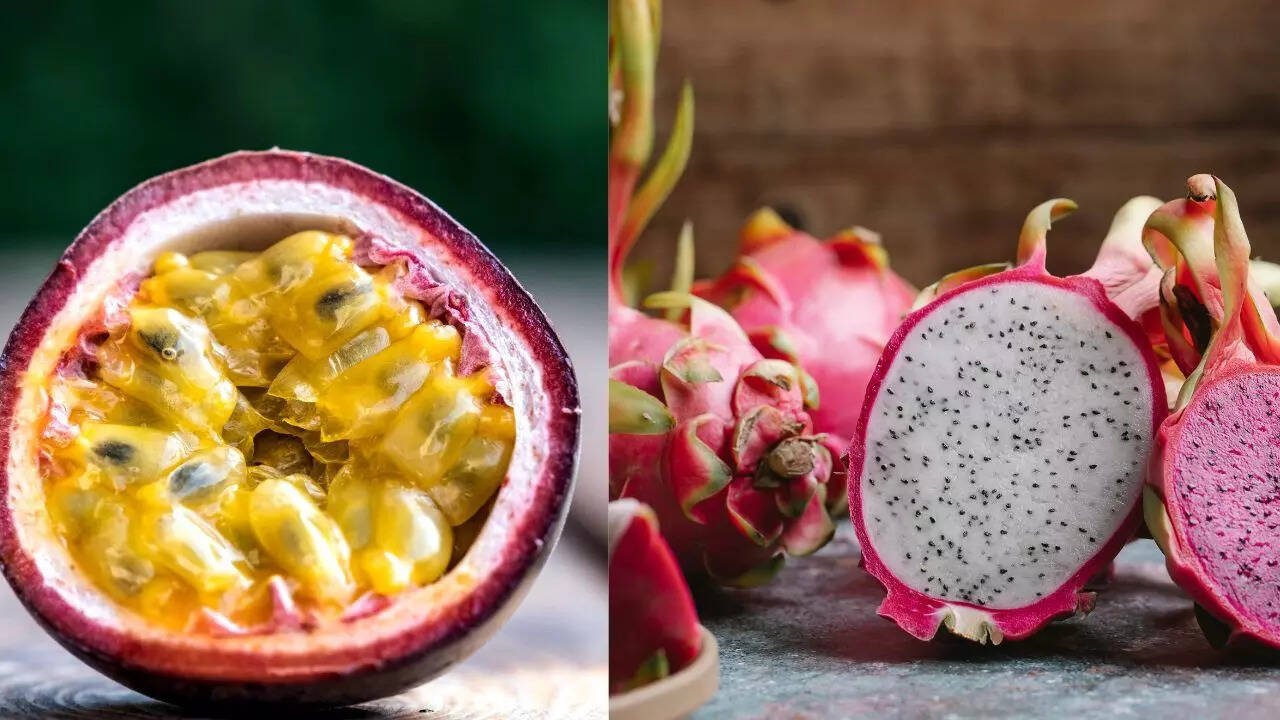
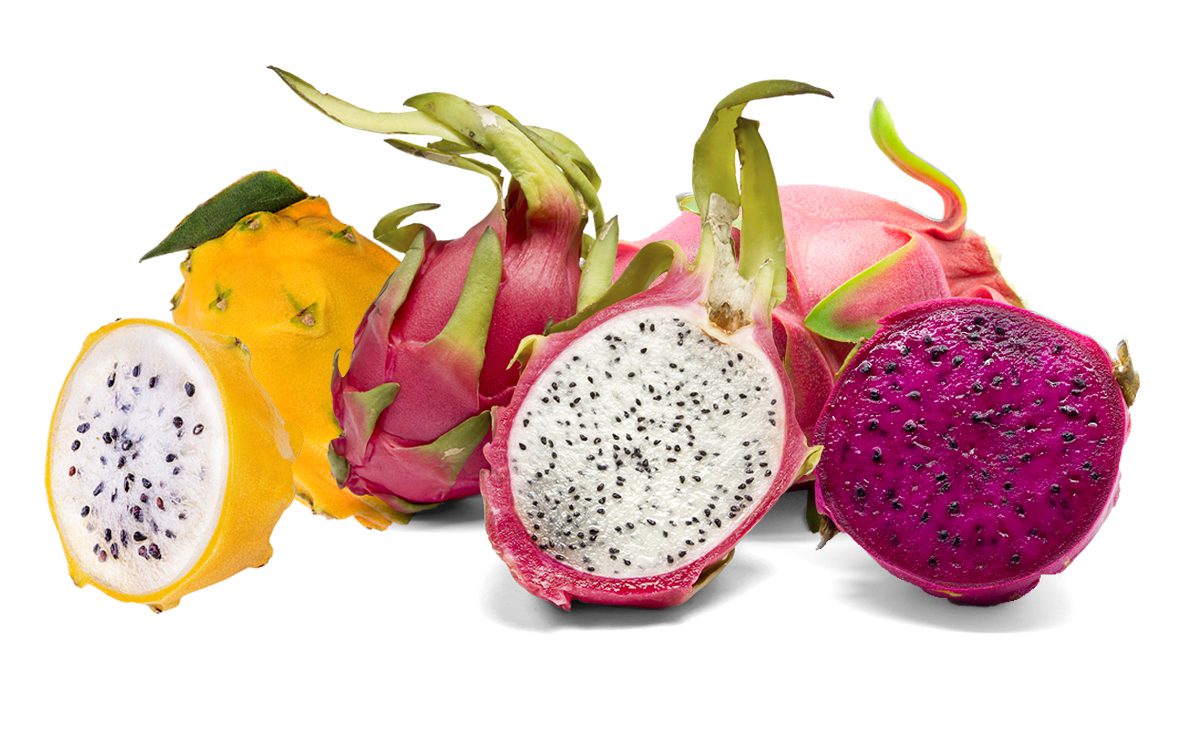
Both dragon fruit and passion fruit immediately signal something different from your everyday apple or orange. They’re exotic fruits that promise a taste of the tropics, and their appearance certainly delivers on that promise. The first thing you notice is the sheer drama of dragon fruit – its vibrant pink or yellow skin, often with green scales resembling a mythical beast. Passion fruit, in contrast, presents a more subdued exterior, typically a deep purple or reddish-brown when ripe.
The shapes are quite distinct too. Dragon fruit is elongated, almost like a football, while passion fruit is rounder, closer in size to a plum. The texture of the skin also sets them apart. Dragon fruit feels smooth, though the scales are visible, while passion fruit can be slightly wrinkled. Dragon fruit originates from Central America, but has become widely cultivated in Southeast Asia. Passion fruit, however, hails from South America, with Brazil being a major growing region.
These visual differences aren't just aesthetic; they hint at the unique flavors within. The boldness of the dragon fruit’s appearance suggests a similarly striking taste, but that isn't always the case. The more understated look of passion fruit doesn’t necessarily prepare you for the intensely tart experience awaiting inside. They both have a certain allure, a promise of something special, and that's a big part of their appeal.
Unpacking the Flavor Profiles: What Do They Actually Taste Like?
Dragon fruit’s flavor can be a bit… underwhelming for some. Often described as mildly sweet, it’s not a punch-in-the-face kind of fruit. The sweetness is subtle, almost delicate, and some varieties can taste quite bland. The texture is a key part of the experience, though – it’s crisp and refreshing, with tiny black seeds that add a slight crunch. Thomas Joseph, in a Kitchen Conundrums video, notes that the flavor is often dependent on the specific variety and ripeness.
Passion fruit, on the other hand, is a flavor explosion. It’s intensely tart and aromatic, with a distinct tropical fragrance. You get bright, acidic notes alongside a subtle sweetness. The seeds are edible and add a pleasant textural contrast – they’re crunchy and slightly gelatinous. It’s a flavour that lingers, demanding your attention. The aroma alone is enough to transport you to a tropical paradise.
Beyond the basic sweetness and tartness, there are subtle nuances to both fruits. Dragon fruit can have hints of pear or kiwi, while passion fruit sometimes displays floral or citrusy undertones. The sweetness in passion fruit isn’t a simple sugar rush; it’s balanced by the acidity, creating a complex and refreshing flavor profile. It’s a fruit that invigorates the palate. The experience isn’t just about taste, it's about the overall sensation—the smell, the texture, the initial burst of flavor.
People’s reactions to dragon fruit are often divided. Some appreciate its subtle flavor, while others find it disappointing. Passion fruit, however, tends to be universally loved (or at least, strongly appreciated) for its bold and vibrant taste. Few people are indifferent to passion fruit – it’s a fruit that evokes a strong reaction.
Nutritional Breakdown: Beyond the Exotic Appeal
While their exotic appeal is a major draw, both dragon fruit and passion fruit offer some impressive nutritional benefits. Dragon fruit is a good source of fiber, which aids digestion and promotes a feeling of fullness. According to the Institute of Culinary Education, a 100-gram serving of dragon fruit contains about 1.4 grams of fiber. It also provides vitamin C, antioxidants, and small amounts of iron and other minerals.
Passion fruit is similarly packed with nutrients. It's an excellent source of vitamin C, even more so than dragon fruit. A 100-gram serving provides approximately 35mg of vitamin C, which is nearly 40% of the recommended daily intake. It’s also a good source of vitamin A, iron, and potassium. Passion fruit also contains a significant amount of antioxidants, which help protect the body against cell damage.
Compared to more common fruits, passion fruit consistently delivers a higher vitamin C punch. An apple, for example, contains around 8mg of vitamin C per 100 grams. Dragon fruit's fiber content is comparable to that of a banana (around 2.6 grams per 100 grams), but it offers a wider range of vitamins and antioxidants. Both fruits are relatively low in calories, making them a healthy addition to any diet. They are not miracle foods, of course, but they are certainly nutritious options.
It’s important to remember that nutritional content can vary depending on the variety and growing conditions of the fruit. These figures are averages based on available data, and individual fruits may differ slightly.
Dragon Fruit vs. Passion Fruit: A Nutritional Comparison (per 100g Serving)
| Nutrient | Dragon Fruit | Passion Fruit | Apple (for Comparison) |
|---|---|---|---|
| Calories | Lower | Moderate | Moderate |
| Vitamin C | Good Source | Excellent Source | Good Source |
| Dietary Fiber | Moderate | High | Moderate |
| Vitamin A | Low | Low | Low |
| Magnesium | Moderate | Good Source | Low |
| Potassium | Moderate | Good Source | Moderate |
| Antioxidants | Contains Betalains | Contains Vitamin C & Carotenoids | Contains Various Polyphenols |
| Taste Profile | Mildly Sweet | Tart & Aromatic | Sweet & Crisp |
Qualitative comparison based on the article research brief. Confirm current product details in the official docs before making implementation choices.
Cultivation and Availability: Where Do These Fruits Come From?
Dragon fruit, also known as pitaya, has its roots in Central America, but is now widely cultivated in Southeast Asia, particularly in Vietnam, Thailand, and Malaysia. Vietnam is the largest exporter of dragon fruit globally. The fruit thrives in tropical and subtropical climates, requiring warm temperatures and plenty of sunlight. It’s often grown on cacti, which explains its unique appearance.
Passion fruit, on the other hand, originates from South America, with Brazil being a major production center. It's also grown in other parts of the tropics and subtropics, including Hawaii, Australia, and parts of Africa. Passion fruit vines require a support structure to climb, and they produce beautiful, fragrant flowers before bearing fruit. The growing conditions are slightly more demanding than those for dragon fruit.
Availability in North America and Europe can vary depending on the season. Dragon fruit is becoming increasingly common in larger grocery stores, particularly during the winter months. Passion fruit is often found at specialty markets or online retailers. The seasonality affects price and quality – fruits imported during their off-season tend to be more expensive and may not be as flavorful.
The journey from farm to table is a long one for both of these fruits. They require careful handling and transportation to maintain their freshness and quality. Supporting local growers, when possible, can help reduce the environmental impact and ensure you’re getting the freshest possible fruit.
Culinary Uses: From Smoothies to Savory Dishes
Dragon fruit is incredibly versatile in the kitchen. It’s most often enjoyed fresh, simply sliced and eaten with a spoon. Its mild flavor makes it a perfect addition to smoothies, where it adds a beautiful pink hue and a subtle sweetness. It also works well as a garnish for desserts, salads, or even cocktails. Recipes for dragon fruit sorbet, ice cream, and jam are available.
Passion fruit truly shines in desserts. Its tartness balances sweetness perfectly, making it ideal for mousses, cheesecakes, and fruit tarts. Passion fruit curd is a classic, and it can be used as a filling for cakes or pastries. It’s also delicious in juices, cocktails, and sauces. A passion fruit vinaigrette with grilled fish offers a surprisingly good savory option.
While dragon fruit is primarily used in sweet applications, passion fruit can be surprisingly effective in savory dishes. The tartness cuts through richness and adds a bright, acidic note. Passion fruit juice can marinate chicken or fish, or be added to a salsa for a tropical twist. It pairs well with spicy flavors, creating a complex and intriguing taste experience.
Here are two simple recipes to get you started: Dragon Fruit Smoothie: Blend 1 cup of dragon fruit chunks, ½ banana, ½ cup yogurt, and a splash of orange juice. Passion Fruit Sauce: Combine ½ cup passion fruit pulp, ¼ cup sugar, and 1 tablespoon lime juice. Simmer until thickened. cup sugar, and 1 tablespoon water in a saucepan and simmer until slightly thickened.
Cost Comparison & Where to Buy: Making the Exotic Affordable
The cost of dragon fruit and passion fruit can vary significantly depending on location, season, and retailer. Generally, dragon fruit tends to be more expensive than passion fruit, especially when it’s out of season. Expect to pay anywhere from $3 to $8 per dragon fruit, depending on its size and quality. Passion fruit is typically sold by the piece and can range from $2 to $5 each.
You’ll find both fruits at local grocery stores, but the selection may be limited. Farmers markets are a great place to find fresh, high-quality fruits, often at a lower price. Online retailers, such as Amazon, also offer a wide variety of exotic fruits, but shipping costs can add to the overall expense. I’ve found that Asian grocery stores often have the best prices on dragon fruit.
Buying whole fruits is generally more cost-effective than purchasing pre-cut options. However, if you’re only planning to use a small amount of fruit, pre-cut may be a convenient option. Keep in mind that pre-cut fruit tends to have a shorter shelf life. It’s also worth considering the cost per ounce or pound to compare prices accurately.
I'm not sure about current pricing, but generally, passion fruit is more readily available frozen, which can be a good alternative if fresh is too expensive or hard to find. Don't hesitate to ask your local produce manager about availability and pricing – they can often provide valuable insights.
Dragon Fruit & Passion Fruit Essentials for Your Culinary Adventures
Made from 100% organic dragon fruit · Rich in antioxidants and vitamins · Vibrant pink color for smoothies and baking
This organic dragon fruit powder is a convenient way to add the fruit's unique flavor and color to your culinary creations.
High germination rate · Suitable for growing pink dragon fruit varieties · Includes planting instructions
For the adventurous gardener, these seeds offer the exciting possibility of growing your own dragon fruit at home.
100% pure dragon fruit, no additives · Retains nutrients and flavor through freeze-drying · Crispy texture, great for snacking
Enjoy the crisp, refreshing taste of dragon fruit anytime with these convenient freeze-dried slices.
Pure passion fruit pulp, no added sugar · Frozen for freshness and extended shelf life · Ideal for juices, cocktails, and desserts
This bulk frozen passion fruit pulp is perfect for easily incorporating the intense tropical flavor into a variety of recipes.
Heirloom seeds for sweet purple passion fruit · Guaranteed germination · Comes with detailed growing guide
Cultivate your own sweet and tart passion fruit with these high-quality seeds, perfect for a home garden.
As an Amazon Associate I earn from qualifying purchases. Prices may vary.
Dragon Fruit vs. Passion Fruit: Which One Should You Choose?
So, which exotic fruit should you choose? It really comes down to personal preference. If you’re looking for a mild, subtly sweet flavor and a visually stunning fruit, dragon fruit might be your pick. It’s a great option for smoothies, salads, or simply enjoying as a refreshing snack. However, if you’re expecting a strong, bold flavor, you might be disappointed.
If you crave a tart, aromatic experience that will awaken your taste buds, passion fruit is the way to go. It’s perfect for desserts, juices, and sauces, and it adds a vibrant zing to any dish. Passion fruit is also a nutritional powerhouse, packed with vitamin C and antioxidants. It's a fruit that demands attention, and delivers a memorable taste.
Consider what you plan to use the fruit for. Dragon fruit is more versatile in terms of presentation, while passion fruit is better suited for adding a burst of flavor to desserts or savory dishes. Don't be afraid to try both! They are both unique and delicious in their own way. Ultimately, the best fruit is the one that you enjoy the most.
Both dragon fruit and passion fruit offer a delightful escape from the ordinary. They’re a reminder that there’s a whole world of flavors out there waiting to be explored. So, go ahead, embrace the exotic, and treat yourself to a taste of the tropics.
Which exotic fruit do you prefer: Dragon Fruit or Passion Fruit?
We want to hear from the Food Fluff community! Both dragon fruit and passion fruit bring unique flavors and textures to the table, but which one wins your vote in this ultimate exotic fruit showdown? Cast your pick below and let us know where you stand in the great debate of 2024.




No comments yet. Be the first to share your thoughts!