
K-Mex Takes Over
TikTok users are buzzing about Korean-Mexican fusion, or "K-Mex.’ It’s more than just kimchi on a burrito; it"s about bold flavor combinations. Think fiery gochujang meeting smoky mole, or tangy pickled radish with creamy guacamole. The tastes surprisingly work well together.
TikTok videos tagged #KMex and #KoreanMexicanFood have millions of views. This trend is also appearing in restaurants. Yelp’s 2026 data for Atlanta shows ten restaurants now offer K-Mex, up from almost none two years ago. This suggests a real shift in food choices.
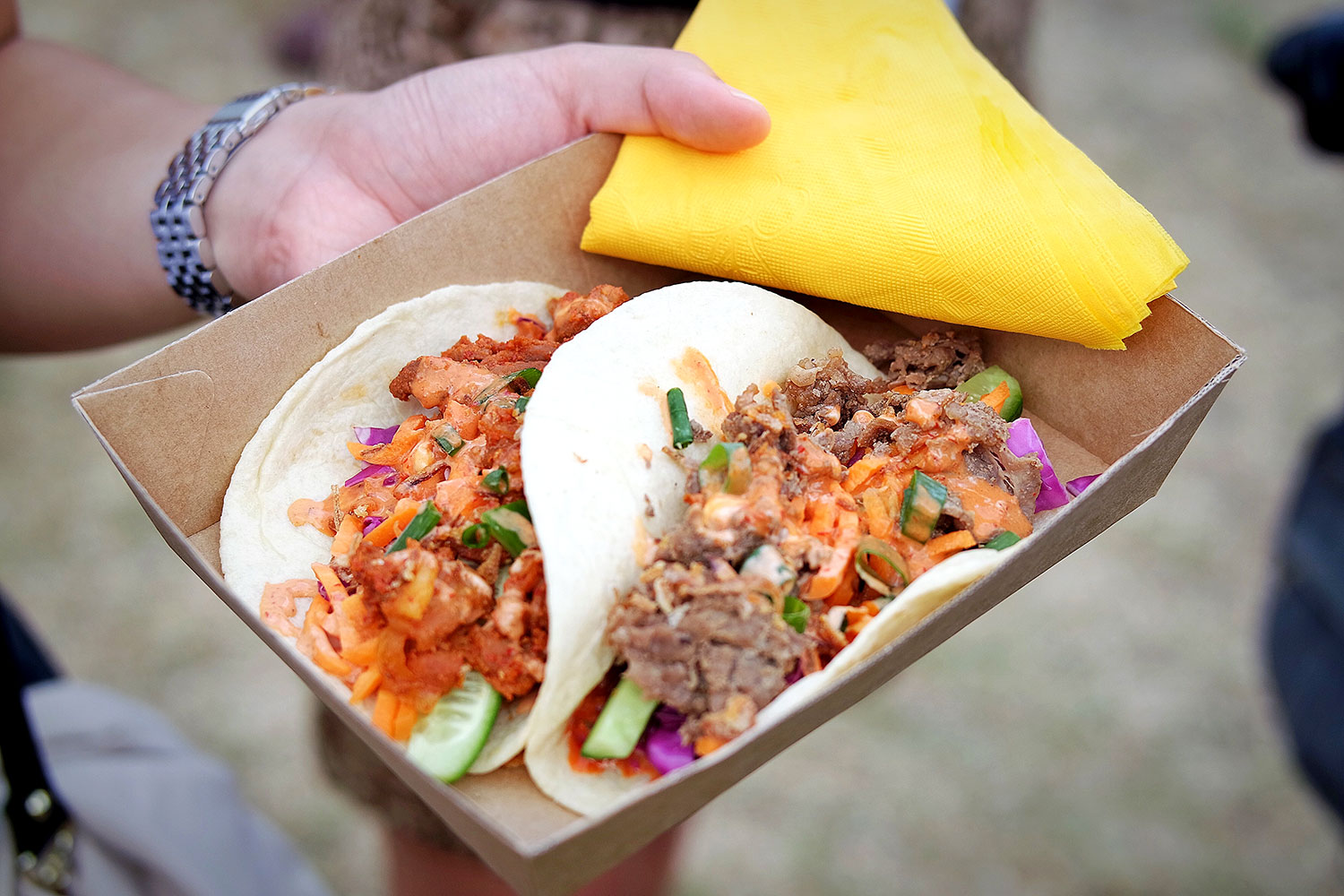
Atlanta appears to be the starting point for this trend. While fusion food isn't new, K-Mex has spread quickly. The dishes look good, with bright colors and interesting textures, making them perfect for short videos. Many recipes are easy enough for home cooks to try and share, helping the trend go viral.
The TikTok Algorithm's Role
The rise of K-Mex is tied to the TikTok algorithm. Short videos do well with new and visually interesting content, and K-Mex offers both. A red gochujang glaze on a taco or kimchi queso are eye-catching and easily shared. The algorithm favors content that keeps users watching, and these food combinations do just that.
Food influencers are helping spread the K-Mex trend. Popular creators share recipes, reviews, and fusion ideas. The 'duet' feature, where users can react to and build on videos, helps the trend spread naturally. One person makes a bulgogi quesadilla, another tries their own version, and the idea reaches more people.
Dishes can go viral on TikTok very quickly. One video can get millions of views in days, leading to many similar recipes and restaurant specials. It’s about presentation and the overall look, not just taste. A good TikTok video can make a little-known dish popular almost instantly.
Atlanta: Ground Zero for K-Mex
Atlanta became the center for K-Mex because of its large Korean community and strong Mexican food scene. This mix of cultures allowed for new ideas. Restaurants like “Kimchi Taco” and “Seoul Food Fiesta,” mentioned in Yelp data, are popular and get good reviews.
These restaurants are willing to try new things. Kimchi Taco uses Korean marinades on meats and Korean spices in salsas, with sides like Korean street corn. Seoul Food Fiesta offers Korean BBQ-style burritos and enchiladas. They balance flavors and textures well, making dishes that are both new and comforting.
It’s hard to say who started the K-Mex trend, but locals often mention Chef Park, who owns a small Korean restaurant. He started adding Mexican ingredients to his dishes to attract more customers, and people loved it. His ideas encouraged others, and Atlanta has benefited.
Flavor Profiles: Gochujang Meets Mole
K-Mex works because Korean and Mexican flavors blend well. Both cuisines use strong, spicy, and savory tastes, so they fit together naturally. The success comes from understanding how the flavors work together.
Gochujang, a Korean chili paste, is key in many K-Mex dishes. Its spicy, sweet, savory, and umami taste works well with rich Mexican mole sauces. Gochujang adds depth and heat that balances the mole's sweetness. Korean BBQ flavors also complement fresh Mexican salsas and guacamole.
Think about the tangy taste of kimchi with the sharp acidity of lime. Or the smoky flavor of Korean galbi (short ribs) with earthy Mexican chorizo. These combinations are chosen to bring out the best in both cuisines. Good flavors are universal.
Korean & Mexican Ingredient Flavor Profiles for Fusion Cuisine
| Korean Ingredient | Korean Flavor Profile | Mexican Ingredient | Mexican Flavor Profile | Potential Fusion Pairing |
|---|---|---|---|---|
| Gochujang | Fermented, spicy, umami, slightly sweet | Chipotle Peppers in Adobo | Smoky, spicy, slightly sweet, tangy | Gochujang-Chipotle Marinade for meats (Bulgogi or Carnitas) |
| Kimchi | Sour, spicy, fermented, umami | Jalapeños (Pickled) | Spicy, tangy, crisp | Kimchi & Jalapeño Quesadillas or as a topping for Tacos |
| Bulgogi (Marinated Beef) | Savory, sweet, umami, slightly smoky | Carne Asada | Savory, grilled, slightly charred | Bulgogi Carne Asada Burritos or Tacos |
| Gochugaru (Korean Chili Flakes) | Fruity, spicy, moderately hot | Ancho Chili Powder | Mildly spicy, fruity, earthy | Ancho-Gochugaru Rub for grilled meats or fish |
| Sesame Oil | Nutty, aromatic, rich | Avocado Oil | Mild, slightly nutty, high smoke point | Sesame-Avocado Dressing for salads incorporating Korean and Mexican flavors |
| Doenjang (Korean Fermented Soybean Paste) | Salty, umami, earthy, pungent | Mole Poblano | Complex, rich, chocolatey, spicy | Doenjang-infused Mole Sauce for enchiladas or meats |
| Korean Pear | Sweet, crisp, subtly floral | Mango | Sweet, tropical, slightly tart | Korean Pear & Mango Salsa with a hint of Gochujang |
Illustrative comparison based on the article research brief. Verify current pricing, limits, and product details in the official docs before relying on it.
Beyond the Taco: Signature Dishes
While K-Mex tacos are popular, the fusion goes further. Chefs are creating new dishes. Kimchi fried rice burritos, for instance, wrap Korean comfort food in a tortilla with cheese and salsa for a Mexican touch.
Bulgogi enchiladas are another example. Marinated bulgogi is rolled in corn tortillas, covered in a spicy gochujang enchilada sauce, and topped with cheese. It’s a mix of textures and flavors. Korean fried chicken with Mexican street corn salad is also popular; the crispy chicken goes well with the sweet and tangy corn.
Korean noodles are also appearing in Mexican dishes. Japchae, stir-fried glass noodles, are used in quesadillas or served with tacos. Chefs are always trying new combinations, making this a changing cuisine.
The 2026 Korean Festival Effect
Cultural events like the 2026 Korean Festival in Atlanta play a crucial role in fostering appreciation for Korean cuisine and, by extension, K-Mex. These festivals provide a platform for showcasing Korean food, music, and traditions to a wider audience. The 2026 festival, scheduled for September 19-20 at Sugarloaf Mills, is expected to draw large crowds, further boosting the popularity of Korean flavors.
Festivals also serve as incubators for new fusion ideas. Food vendors often experiment with unique dishes, blending Korean and Mexican ingredients in innovative ways. These creations can then gain traction on social media, spreading the K-Mex trend beyond the festival grounds. The Early Bird ticket price of 25% off online is likely to drive attendance and exposure.
The presence of events like the Taste of Korea Festival in Atlanta (June 7, 2025) further reinforces this cultural exchange. By celebrating Korean heritage and cuisine, these festivals create a ripple effect that extends to the broader culinary landscape, paving the way for more fusion experiments.
Will K-Mex Last?
The big question, of course, is whether K-Mex is a fleeting TikTok trend or a genuine culinary movement. It’s difficult to say for certain. Many viral food trends fade as quickly as they appear, but K-Mex has a few things going for it that suggest it might have staying power. The quality of the food is undeniably high – the best K-Mex dishes are genuinely delicious and satisfying.
The adaptability of the cuisine is another key factor. K-Mex isn’t limited to tacos and burritos; it can be applied to a wide range of dishes, allowing chefs to constantly innovate and keep things fresh. The continued interest of TikTok users will also play a role. If the hashtag #KMex remains popular, the trend is likely to persist.
However, there are challenges. Maintaining quality and consistency across different restaurants is crucial. If K-Mex becomes too diluted or generic, it could lose its appeal. It’s also possible that another food trend will simply capture the attention of TikTok users, overshadowing K-Mex. Only time will tell if this fusion cuisine can withstand the test of time.
Do you think Korean-Mexican fusion will be a mainstream cuisine by 2028?
Vote below and share whether you see Korean-Mexican fusion becoming a lasting part of everyday dining by 2028.
K-Mex Around the World
While Atlanta remains the epicenter of the K-Mex movement, the trend is beginning to spread globally. Restaurants offering Korean-Mexican fusion are popping up in cities like Los Angeles, New York, and even London. Home cooks around the world are experimenting with these flavors in their own kitchens, sharing their creations on social media.
In Toronto, a small eatery called “Seoul Mate” has gained a loyal following for its kimchi quesadillas and bulgogi tacos. In Sydney, Australia, a food truck called “Kimchi Loco” is serving up Korean fried chicken burritos to enthusiastic crowds. These examples demonstrate that K-Mex isn’t just a local phenomenon; it’s a worldwide culinary trend.
The internet, particularly TikTok, is playing a key role in this global dissemination. Recipes and videos are easily shared across borders, inspiring home cooks and chefs to experiment with K-Mex flavors. It’s a testament to the power of social media to connect people through food.


No comments yet. Be the first to share your thoughts!