
Fusion's new ingredient
Last year, food blogger Anya Sharma was facing a creative block. Her audience loved her Korean-Mexican fusion recipes, but she felt stuck in a rut. Then, she started experimenting with ChatGPT. A simple prompt – "Develop a recipe combining the flavors of Ethiopian wat and Argentinian chimichurri" – yielded a surprisingly promising starting point: a spiced beef sirloin with a berbere-infused chimichurri sauce. After some tweaking and testing, it became her most popular post of the year.
This anecdote isn’t unique. Across the food blogging world, AI, and specifically OpenAI’s ChatGPT, is quietly becoming a crucial tool for recipe development. It isn’t about replacing chefs or bloggers, but about augmenting their creativity and speeding up the innovation process. It's a shift from searching for inspiration to generating it.
In 2026, this trend has solidified. What was once a novelty is now commonplace. The AI models are more sophisticated, better at understanding nuance, and capable of generating recipes that are genuinely inventive. We’re past the point of simple ingredient combinations; AI can now analyze flavor profiles, predict textures, and even suggest plating ideas. The real difference now is the quality of the output -- it's not just about getting a recipe, it's about getting a good recipe.
People worried AI would make all food taste the same, but the opposite happened. Bloggers are using it to smash together cuisines they wouldn't have paired otherwise. Since anyone can use these tools, home kitchens are getting much weirder—in a good way.
The new recipe platforms
The proliferation of AI-powered recipe platforms like Cheffl is a key indicator of this shift. Cheffl, as of early 2026, allows users to input a simple prompt – “cozy pasta” – or to utilize more advanced tools for professional recipe creation. It integrates with existing food databases like Food Network, Bon Appétit, and NYT Cooking, allowing users to refine recipes from trusted sources.
These platforms don’t just spit out recipes; they’re becoming sophisticated culinary assistants. They can suggest ingredient substitutions based on dietary restrictions (gluten-free, vegan, nut allergies), adjust quantities based on serving sizes, and even estimate cooking times. Some platforms are beginning to incorporate user feedback, learning from ratings and reviews to improve future recipe suggestions.
A major challenge for these platforms is ensuring recipe quality. Early AI recipe generators often produced recipes that were technically correct but lacked flavor or were simply unappetizing. Cheffl and similar services address this by incorporating human curation and rigorous testing. They leverage community feedback and employ a team of chefs to review and refine AI-generated recipes.
Other platforms, like AI Recipe Ideas, focus on specialized recipe generation, such as classic cocktails. The emphasis is on providing a starting point for creativity, acknowledging that human intervention is still necessary. RipePlate's testing in 2026 found that while many AI recipe generators exist, only a select few consistently produce usable results, highlighting the importance of platform quality.
- Cheffl: A tool for both quick dinner ideas and professional recipe scaling.
- AI Recipe Ideas: Specializes in generating recipes for specific dishes, like cocktails.
- RipePlate (AI Recipe Generator): Offers a personalized recipe creation experience.
AI Recipe Platforms
- Cheffl - This platform focuses on generating complete recipes, including ingredient lists and step-by-step instructions, based on user preferences and dietary restrictions.
- RecipeGen - RecipeGen specializes in adapting existing recipes to new cuisines or dietary needs, offering a unique twist on familiar flavors.
- PlantJammer - Designed with plant-based cooking in mind, PlantJammer suggests recipes based on ingredients you already have, minimizing food waste and promoting creative vegan meals.
- SideChef Pro - While also offering human-created recipes, SideChef Pro integrates AI to personalize cooking instructions and provide real-time guidance during the cooking process.
- IBM Watson Chef Watson (now Everyday AI) - Originally a culinary exploration project, Everyday AI leverages AI to understand flavor pairings and generate novel recipe combinations.
- Culinary Canvas - Culinary Canvas distinguishes itself by focusing on visual recipe generation, creating aesthetically pleasing recipe cards alongside detailed instructions.
- MealPrepAI - MealPrepAI concentrates on generating weekly meal plans and corresponding shopping lists, tailored to individual caloric goals and preferences.
Writing better prompts for better flavor
The quality of an AI-generated recipe hinges on the quality of the prompt. This is where 'prompt engineering' comes in – the art of crafting precise and detailed instructions for the AI. It’s no longer enough to simply ask for "a spicy Asian dish." The more specific you are, the better the results.
Consider these examples. A vague prompt like "create a fusion recipe with lamb’ might yield a generic lamb curry. A more detailed prompt – ‘Develop a recipe for Moroccan-spiced lamb meatballs served with a Korean gochujang glaze and a side of Israeli couscous salad" – is far more likely to produce something interesting and unique. You need to specify not just the ingredients, but also the desired flavor profiles, textures, and cooking methods.
Iterative prompting is also crucial. Start with a broad prompt, then refine it based on the AI’s initial output. If the AI suggests an ingredient you dislike, tell it to replace it. If the cooking time seems off, ask it to adjust it. This back-and-forth process allows you to guide the AI towards a recipe that meets your exact specifications. It's a conversation, not a command.
Bloggers are now sharing their prompt engineering techniques. One popular method involves specifying a 'flavor map' – a list of dominant and supporting flavors. For example, a prompt might include: "Dominant Flavor: Umami. Supporting Flavors: Citrus, Spice, Herbaceous." This helps the AI create a more balanced and harmonious dish.
- Step 1: Start with a broad concept (e.g., “fusion dish with seafood”).
- Step 2: Add specific ingredients and cuisines (e.g., “Japanese-Peruvian fusion with scallops”).
- Step 3: Define flavor profiles (e.g., “Spicy, citrusy, umami”).
- Step 4: Refine based on AI output (e.g., “Replace the soy sauce with tamari for gluten-free”).
Beyond the Basics: AI and Recipe Testing
Generating a recipe is only half the battle. Ensuring it actually works – that the flavors balance, the cooking times are accurate, and the dish is visually appealing – requires rigorous testing. AI is beginning to assist with this process, though human judgment remains essential.
Some platforms are incorporating AI-powered 'recipe checkers' that analyze ingredients and cooking methods for potential issues. These tools can flag ingredient imbalances (too much salt, not enough acid), predict cooking time inaccuracies, and even suggest alternative techniques. They’re not foolproof, but they can help identify potential problems before you even start cooking.
However, these tools are limited by their training data. They can’t account for variations in ingredient quality, oven temperatures, or personal preferences. That’s where human testers come in. Bloggers are using AI to generate multiple variations of a recipe, then conducting blind taste tests to determine which version is the most appealing.
It's important to acknowledge that AI-generated recipes aren’t always perfect. They may require adjustments to seasoning, cooking times, or ingredient quantities. Transparency with readers is key – bloggers should clearly indicate when a recipe has been AI-assisted and encourage feedback.
Fusion trends to watch
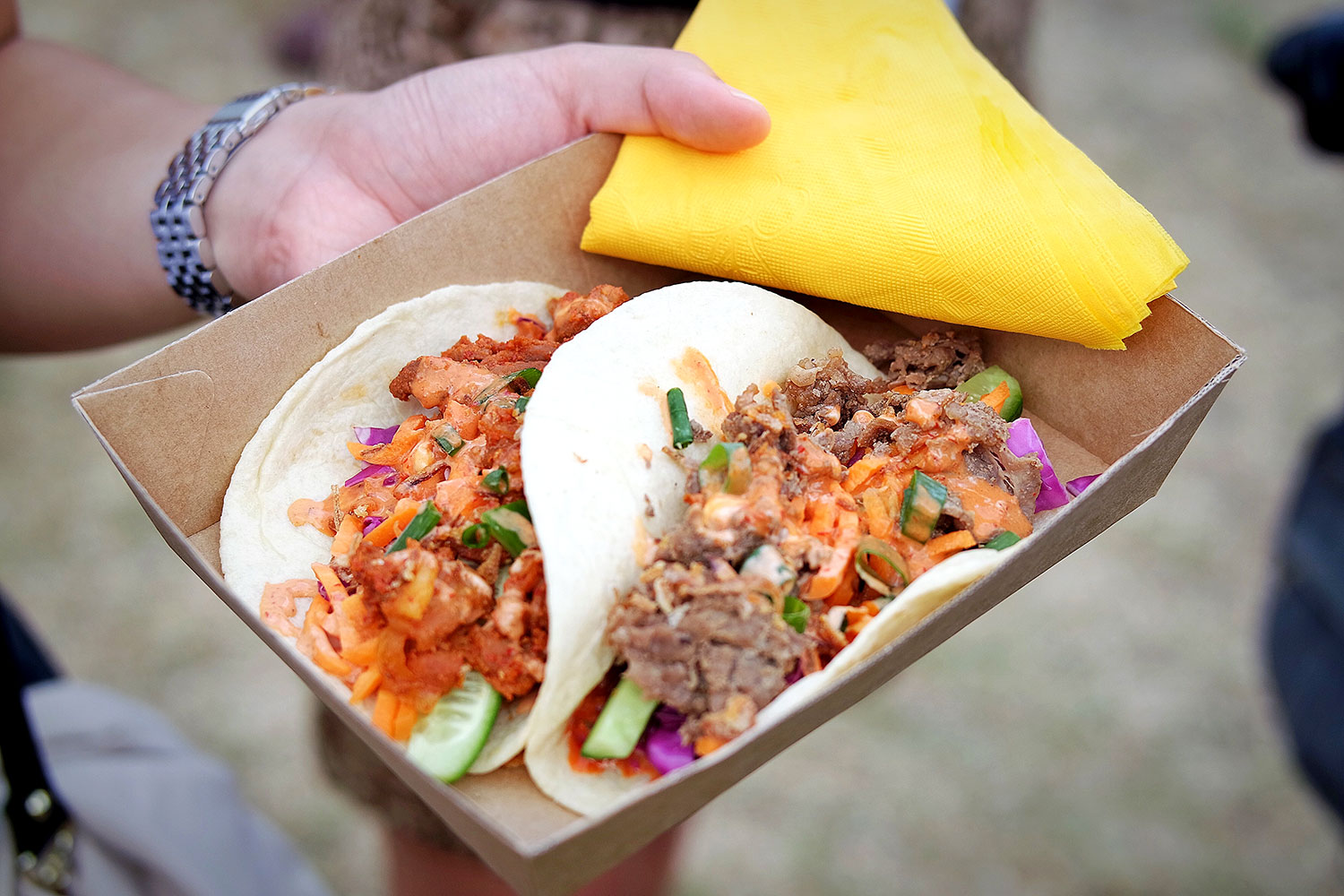
AI is accelerating the exploration of fusion cuisine, and several trends are emerging in 2026. Asian-Latin fusions remain popular, with dishes like Korean bulgogi tacos and Japanese-Peruvian ceviche continuing to gain traction. However, we’re also seeing more adventurous combinations.
African-European fusions are on the rise. Think Ethiopian berbere-spiced paella, or Moroccan tagine with a French Provençal twist. These combinations are driven by the AI’s ability to identify complementary flavors and techniques that might not be obvious to human chefs. The AI can analyze the chemical compounds in different ingredients to predict how they will interact.
Another trend is the rediscovery and reinterpretation of traditional recipes. AI is being used to analyze ancient cookbooks and historical culinary texts, identifying forgotten ingredients and techniques. Bloggers are then using these insights to create modern interpretations of classic dishes. For example, a recipe for a Roman garum-fermented sauce, recreated with modern ingredients and techniques.
One particularly interesting development is the emergence of 'hyper-local' fusion cuisine. AI is helping chefs connect with local farmers and producers, identifying ingredients that are unique to their region. This is leading to dishes that are deeply rooted in a sense of place.
- Ethiopian Berbere-Spiced Paella: A fusion of Ethiopian and Spanish flavors.
- Korean Bulgogi Tacos: A popular Asian-Latin fusion dish.
- Roman Garum-Fermented Sauce (Modern Interpretation): Rediscovering ancient Roman flavors.
Where AI hits a wall
Looking ahead, the potential limitations of AI in the culinary world are worth considering. AI is ultimately limited by the data it’s trained on. It can identify patterns and make predictions, but it can’t truly understand flavor in the same way a human chef does. It lacks the intuition, creativity, and emotional connection that are essential to culinary artistry.
Will AI eventually be able to create truly original recipes, or will it always be a tool for remixing and reimagining existing ones? The answer likely lies somewhere in the middle. AI may be able to generate novel combinations of ingredients, but it will still require human chefs to refine and perfect those creations.
The most exciting possibility is a collaboration between humans and AI, where AI handles the tedious tasks – recipe generation, ingredient analysis, SEO optimization – and humans focus on creativity, flavor development, and the overall dining experience. This partnership will unlock new levels of culinary innovation.
The future of food isn’t about replacing chefs with robots; it’s about empowering chefs with AI. It's about using technology to explore new flavors, rediscover forgotten traditions, and create a more vibrant and diverse culinary world.
Monetization Strategies for Food Bloggers Utilizing AI-Generated Recipes (2026)
| Monetization Method | Potential Benefits | Potential Drawbacks | Complexity of Implementation |
|---|---|---|---|
| Advertising | Relatively passive income stream; broad reach. | Can detract from user experience; reliance on ad networks; potential for lower revenue per visitor compared to other methods. | Low to Medium |
| Affiliate Marketing | Targeted revenue based on product recommendations; potential for higher commissions than advertising. | Requires building trust and transparency with audience; performance dependent on affiliate program terms; potential for conflicts of interest. | Medium |
| Sponsored Content | Higher earning potential per post; opportunities for long-term partnerships with brands. | Requires careful selection of sponsors to align with brand values; potential for audience skepticism if not clearly disclosed; time-consuming to negotiate and execute. | Medium to High |
| Premium Subscriptions (Recipe Access) | Recurring revenue stream; fosters a dedicated community; allows for exclusive content. | Requires consistently high-quality, unique content to justify subscription fee; potential barrier to entry for some users. | Medium to High |
| Digital Cookbooks (AI-Generated Collections) | One-time revenue; potential for broad reach through online marketplaces. | Requires significant upfront effort in recipe curation and editing; competition from other digital cookbooks. | Medium |
| Personalized Meal Planning Services | High value offering; potential for recurring revenue; leverages AI's recipe generation capabilities. | Requires robust infrastructure and potentially integration with grocery delivery services; higher customer support demands. | High |
| AI-Powered Recipe Customization (Pay-per-use) | Offers a unique service; caters to individual dietary needs and preferences. | Requires advanced AI capabilities and ongoing maintenance; pricing model needs careful consideration. | High |
Illustrative comparison based on the article research brief. Verify current pricing, limits, and product details in the official docs before relying on it.


No comments yet. Be the first to share your thoughts!