
Beyond the Oven: Summer 2026 Heat
Summer is arriving earlier and feeling hotter each year. The strain on our energy grids during heat waves is becoming a serious concern, and with electricity costs continuing to climb, many of us are looking for ways to keep cool and save money. It’s not just about comfort; it’s about being prepared for a changing climate.
The summer of 2026 is currently forecasted to be hotter than average across much of the country, according to preliminary reports from the National Oceanic and Atmospheric Administration released in early 2026. This means relying on our ovens – major energy consumers – will become increasingly difficult and expensive. We need solutions that don’t require cranking up the heat indoors.
This isn't about deprivation; it’s about adaptation. It’s about finding creative, delicious ways to enjoy summer food without contributing to the problem. This guide is a collection of 15 no-bake recipes designed to help you beat the heat, reduce your energy bill, and enjoy the season. It’s proactive cooking for a warmer world.
The No-Bake Advantage: Why It Matters
The benefits of no-bake cooking extend far beyond simply avoiding a hot kitchen. Consider the energy savings: a standard oven uses around 3,500 watts of power, and even a relatively efficient one can consume 1.5-2 kWh per hour. Over a summer, that adds up quickly.
Beyond energy costs, no-bake cooking also reduces humidity inside your home. Ovens release a significant amount of moisture, making your air conditioner work harder. Less humidity means a more comfortable living space, and potentially lower cooling bills. Plus, these recipes are often incredibly simple, making them perfect for beginner cooks or anyone short on time.
I think it's important to be realistic. While the environmental impact is a good bonus, most people are motivated by convenience and cost. Focusing on these aspects makes no-bake cooking accessible to everyone, regardless of their level of environmental concern. It's about making smart choices that benefit both your wallet and your well-being.
15 Recipes to Beat the Heat
Let's get to the good stuff: the recipes. We’ve focused on variety, including options for salads, desserts, appetizers, and even main courses that utilize pre-cooked ingredients. These recipes are designed to be light, refreshing, and easy to prepare.
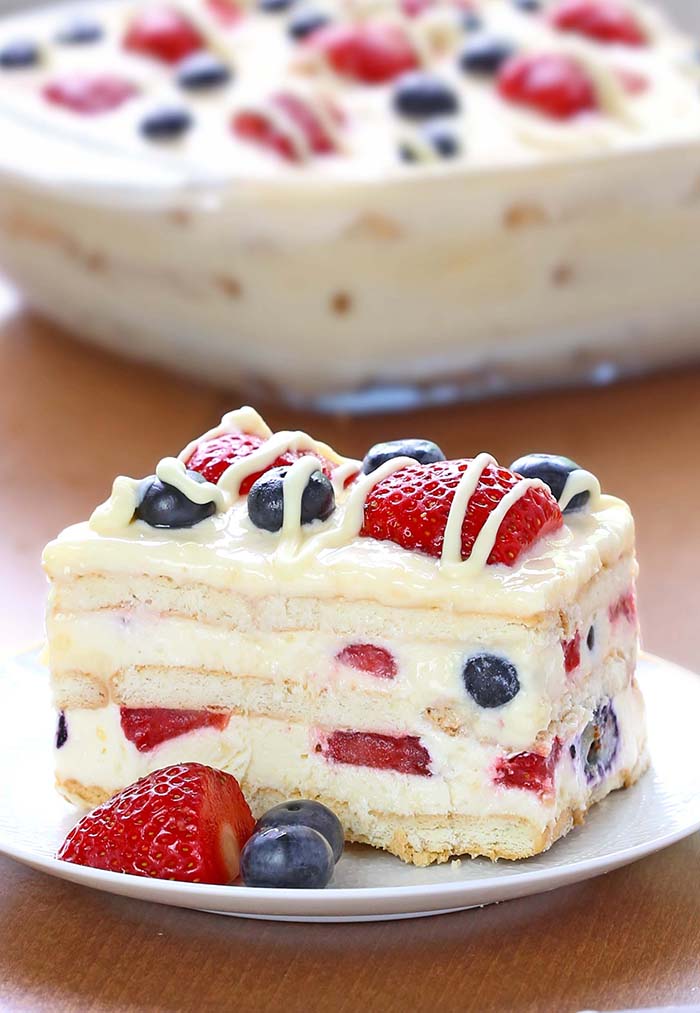
No-Bake Strawberry Fluff Pie: Inspired by the viral recipe on Facebook (viewed May 3, 2026), this classic dessert is a guaranteed crowd-pleaser. It requires just a few ingredients and comes together in minutes. Cream cheese, whipped cream, strawberry Jell-O, and fresh strawberries are all you need.
4-Ingredient Pineapple Fluff: From Cooking With Carlee, this recipe is the definition of simple. Canned pineapple, mini marshmallows, cream cheese, and whipped topping create a light and fluffy dessert that’s perfect for a hot day. It’s a great option for potlucks or picnics.
Lemon Fluff: The Kitchn’s take on this classic dessert is bright and zesty. Lemon pudding, whipped cream, and a touch of lemon zest combine for a refreshing treat. It's a lovely alternative to heavier desserts.
Cucumber and Avocado Salad: A light and hydrating salad featuring thinly sliced cucumbers, creamy avocado, red onion, and a simple lime vinaigrette. This is a fantastic side dish or light lunch.
Watermelon Feta Salad: The sweet and salty combination of watermelon and feta is a summer staple. Add some mint and a drizzle of balsamic glaze for extra flavor.
Caprese Skewers: Cherry tomatoes, mozzarella balls, and fresh basil leaves drizzled with balsamic glaze. A simple and elegant appetizer.
No-Bake Chocolate Peanut Butter Bars: A decadent treat made with crushed graham crackers, peanut butter, and melted chocolate. Chill for a few hours before slicing.
Tuna Salad Lettuce Wraps: A lighter take on tuna salad served in crisp lettuce cups. Use canned tuna, mayonnaise, celery, and onion.
Black Bean and Corn Salad: A colorful and flavorful salad with black beans, corn, red bell pepper, avocado, and a lime vinaigrette.
Shrimp Ceviche: Marinate cooked shrimp in lime juice with tomatoes, onions, and cilantro. Serve with tortilla chips.
Vietnamese Summer Rolls: Rice paper rolls filled with vermicelli noodles, shrimp, vegetables, and herbs. Serve with peanut sauce.
Gazpacho: A chilled Spanish soup made with blended vegetables like tomatoes, cucumbers, and peppers.
Yogurt Parfaits: Layers of yogurt, granola, and fresh berries. A quick and easy breakfast or snack.
No-Bake Energy Bites: Combine oats, peanut butter, honey, and chocolate chips for a healthy and satisfying snack.
Cooling Ingredients: A Summer Pantry Guide
Certain ingredients naturally feel cooling and are well-suited to no-bake summer cooking. Cucumbers, with their high water content, are incredibly hydrating. Watermelon, another high-water-content fruit, is also a great choice. Mint has a cooling effect, and citrus fruits like lemons and limes are refreshing.
Yogurt, especially Greek yogurt, is a good source of protein and probiotics, and it can be used in both sweet and savory dishes. Avocados provide healthy fats and a creamy texture, and they pair well with many summer flavors. These ingredients not only taste good but can also help you feel cooler on a hot day.
I'm not sure about the scientific basis of 'cooling foods,' but the perception of coolness is real. High water content and certain compounds may contribute to this sensation, but ultimately, it's about choosing ingredients that are light, refreshing, and hydrating.
Prep Smarter, Not Harder: Time-Saving Tips
No-bake cooking is already simpler than traditional cooking, but you can streamline the process even further with a few smart prep techniques. Pre-chopping vegetables on a cooler day can save you valuable time when the heat is on. Using pre-cooked proteins like rotisserie chicken or canned beans eliminates the need for cooking altogether.
Don't be afraid to buy pre-made sauces or dressings to save time and effort. Good knife skills are essential for quick and efficient prep. A mandoline slicer can quickly and evenly slice vegetables, while a food processor can chop, dice, and puree ingredients in seconds.
Batch prepping ingredients is a game-changer. Spend a few hours on a cooler evening preparing a large quantity of chopped vegetables, cooked grains, or pre-marinated proteins. This will make assembling meals a breeze throughout the week.
Flavor Boosters: No-Cook Sauces & Dressings
Simple, no-cook sauces and dressings can elevate your no-bake meals from good to great. A vibrant herb vinaigrette made with olive oil, lemon juice, and chopped fresh herbs is perfect for salads. A creamy avocado dressing made with avocado, lime juice, and cilantro adds a rich and flavorful touch.
A spicy peanut sauce made with peanut butter, soy sauce, lime juice, and chili garlic sauce is delicious with Vietnamese summer rolls. A tangy yogurt dip made with yogurt, cucumber, garlic, and dill is a refreshing accompaniment to vegetables.
These sauces and dressings are quick to make and require no cooking, making them ideal for hot-weather cooking. Experiment with different herbs and spices to create your own signature flavors.
- Herb Vinaigrette: Olive oil, lemon juice, chopped herbs
- Avocado Dressing: Avocado, lime juice, cilantro
- Spicy Peanut Sauce: Peanut butter, soy sauce, lime juice, chili garlic sauce
- Yogurt Dip: Yogurt, cucumber, garlic, dill
Standout Recipes: A Closer Look
Let's take a closer look at a few standout recipes from the list. Chilled Cucumber and Avocado Soup: Blend 2 cucumbers, 1 avocado, 1/2 cup yogurt, 1/4 cup chopped mint, and 1 tablespoon lime juice until smooth. Season with salt and pepper to taste. Garnish with extra mint and a drizzle of olive oil.
Watermelon Feta Salad: Combine 4 cups cubed watermelon, 1/2 cup crumbled feta cheese, 1/4 cup chopped mint, and a drizzle of balsamic glaze. This salad is best served chilled. For a bit of heat, add a pinch of red pepper flakes.
No-Bake Chocolate Peanut Butter Bars: Crush 1 1/2 cups graham crackers. Combine with 1/2 cup melted butter and press into a baking dish. Spread with 1 cup peanut butter. Melt 1 cup chocolate chips and spread over the peanut butter layer. Chill for at least 2 hours before slicing. This is a rich and satisfying dessert.
Keeping It Safe: Food Handling in the Heat
Food safety is especially important during warm weather. Always refrigerate perishable foods promptly. Avoid cross-contamination by using separate cutting boards and utensils for raw and cooked foods. Use fresh ingredients whenever possible.
Food should not sit at room temperature for more than two hours. If the temperature is above 90°F (32°C), reduce this time to one hour. For more information on food safety guidelines, consult the USDA () or the FDA ().


No comments yet. Be the first to share your thoughts!