
Flavor Forecast: 2026 & Beyond
The conversation around food is shifting. It’s no longer simply about what tastes good, but how that taste impacts the planet. By 2026, climate-resilient cooking won’t be a niche trend, but a defining characteristic of restaurant menus and home kitchens worldwide. We’re seeing a move towards ingredients that can thrive in a changing climate, require fewer resources, and offer robust nutritional value.
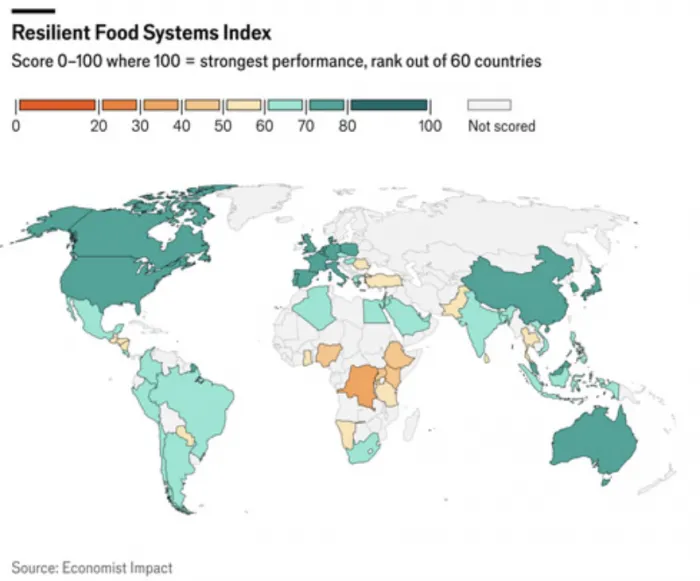
Global food systems face mounting pressures – increasingly erratic weather patterns, dwindling water supplies, and a growing population. These challenges aren’t prompting a retreat from flavor, but a fascinating period of adaptation and rediscovery. Chefs and consumers are actively seeking alternatives to ingredients becoming scarce or environmentally damaging. This isn’t about sacrifice; it’s about expanding our palates and embracing the incredible diversity of edible plants and proteins.
This isn’t a list of what we’ll be giving up, but what we’ll be gaining. Over the next few years, expect to see ten distinct flavors rising to prominence – ingredients that are both delicious and demonstrate a commitment to a more sustainable future. From ancient grains to oceanic vegetables and even innovative protein sources, these are the tastes that will define climate-resilient cooking in 2026 and beyond.
Moringa: The 'Miracle Tree' Takes Root
Often called the "miracle tree," moringa oleifera is gaining recognition for its exceptional nutritional profile and incredible climate resilience. Native to India and Africa, moringa thrives in arid conditions, making it a powerful ally in regions facing drought. Every part of the tree – leaves, pods, seeds, and roots – is edible and packed with vitamins, minerals, and antioxidants.
Chefs are increasingly experimenting with moringa, incorporating it into everything from smoothies and salads to soups and stews. The leaves, with their slightly peppery and earthy flavor, can be used similarly to spinach. The pods, when young and tender, resemble green beans. The seeds, possessing a nutty flavor, can be roasted or pressed for oil. The flavor is surprisingly subtle, which makes it a great addition to dishes without overpowering other flavors.
Beyond its flavor, moringa is a sustainable protein source. The plant’s ability to grow quickly and tolerate poor soil conditions makes it an environmentally friendly option. It’s being touted as a potential solution to malnutrition in developing countries, and its popularity is expanding globally as awareness of its benefits grows. It's a truly versatile ingredient.
Fonio: West Africa’s Ancient Grain
Fonio, a tiny grain native to West Africa, is experiencing a long-overdue revival. For centuries, it’s been a staple food for communities in the region, prized for its drought resistance and fast growth cycle – it matures in just 60-80 days. This rapid growth makes it an incredibly efficient crop, requiring minimal water and fertilizer.
Historically, fonio was often overlooked by the outside world, but chefs are now recognizing its unique qualities. Its small grain size creates a delightfully light and fluffy texture when cooked, almost like couscous. It's naturally gluten-free and packed with iron, magnesium, and amino acids. It has a mild, slightly nutty flavor that pairs well with both sweet and savory dishes.
Modern applications of fonio range from salads and pilafs to porridge and even desserts. Chefs are also experimenting with fonio flour in baking, creating gluten-free breads and pastries. The grain’s versatility and nutritional benefits position it as a key player in the future of sustainable cuisine. It's a fantastic example of rediscovering and celebrating indigenous ingredients.
Kelp: Ocean Greens Rise
Seaweed, and particularly kelp, is poised to become a mainstream ingredient in 2026. Unlike land-based agriculture, kelp farming is remarkably sustainable – it requires no freshwater, fertilizer, or land. In fact, kelp forests actively sequester carbon dioxide, helping to mitigate climate change. It’s a truly regenerative food source.
Kelp offers a unique umami flavor profile, often described as savory and slightly salty. This makes it an excellent substitute for salt or a natural flavor enhancer in soups, stews, and sauces. Different varieties of kelp offer distinct flavors – bull kelp is bolder, while sugar kelp is milder and sweeter. It’s also being used to create vegan "bacon" and other meat alternatives.
A common concern with seaweed is iodine content, and it’s a valid one. Consuming excessive iodine can be detrimental to health. However, moderate consumption of kelp is generally safe, and chefs are mindful of this when incorporating it into dishes. Many are using kelp powder or extracts to control the iodine levels. It’s becoming a staple in eco-conscious kitchens.
Teff: Ethiopia’s Tiny Superfood
Teff, an ancient grain originating in Ethiopia, is gaining global recognition as a nutritional powerhouse. These tiny grains are packed with iron, calcium, protein, and fiber. Remarkably resilient, teff thrives in harsh, arid climates where other grains struggle to grow, making it an ideal crop for a changing world.
Traditionally, teff is used to make injera, a spongy flatbread that’s a staple of Ethiopian cuisine. However, its versatility extends far beyond injera. Teff flour is naturally gluten-free and can be used in a variety of baking applications, from pancakes and muffins to breads and cookies. It has a slightly sweet, molasses-like flavor.
Chefs are experimenting with teff flour in unexpected ways – incorporating it into pasta, polenta, and even thickening sauces. Its unique flavor and nutritional profile make it a valuable addition to any kitchen. As demand grows, we can expect to see even more innovative uses for this remarkable grain.
Black Soldier Fly Protein: Beyond the 'Yuck' Factor
Insect protein is arguably the most controversial element on this list, but its sustainability credentials are undeniable. Black soldier fly larvae (BSFL) are particularly promising, as they efficiently convert organic waste into high-quality protein. They require significantly less land, water, and feed than traditional livestock.
The biggest hurdle, of course, is cultural acceptance. The idea of eating insects is unsettling for many people in Western cultures. However, companies are developing innovative ways to process BSFL into palatable ingredients – flours, protein isolates, and even oils. These ingredients can be incorporated into a wide range of foods, often without any noticeable change in taste or texture.
While it won’t appeal to everyone, BSFL protein offers a compelling solution to the growing demand for sustainable protein sources. It's an efficient way to reduce food waste and create a more circular food system. The environmental benefits are simply too significant to ignore, even if the initial reaction is one of hesitation. It’s a topic that demands open-minded consideration.
Sorghum: A Versatile Grain for Arid Climates
Sorghum is a drought-resistant grain that has been a staple food in Africa and Asia for centuries. It’s incredibly versatile, used both as a grain and as a source of syrup and flour. The plant thrives in hot, dry climates, making it a resilient crop in regions vulnerable to climate change.
Nutritionally, sorghum is a good source of fiber, protein, and antioxidants. It can be used in a variety of dishes, from porridge and flatbreads to salads and stews. Sorghum syrup, with its molasses-like flavor, is a natural sweetener. Sorghum flour can be used as a gluten-free alternative to wheat flour.
Chefs are recognizing sorghum’s potential as a substitute for corn in certain applications, such as polenta and grits. Its mild flavor and versatility make it a valuable addition to any pantry. It’s a reminder that many sustainable solutions already exist – we just need to rediscover and celebrate them.
Ube: Purple Yam’s Global Moment
Ube, a vibrant purple yam from the Philippines, has taken the culinary world by storm. Traditionally used in Filipino desserts, ube is now appearing in everything from ice cream and cakes to lattes and pastries. Its unique flavor – often described as a combination of vanilla and pistachio – and striking color make it a highly sought-after ingredient.
Ube’s popularity extends beyond its flavor and aesthetics. It’s also a good source of antioxidants and fiber. The yam’s growing global demand is helping to support Filipino farmers and promote the country’s culinary heritage. It’s a great example of how cultural exchange can drive innovation and sustainability.
Chefs are experimenting with ube in a variety of ways, incorporating it into both traditional and modern dishes. Its adaptability to different culinary traditions suggests that ube’s global moment is just beginning. It’s a fun, flavorful, and visually appealing ingredient that’s sure to remain popular for years to come.
Mushroom Mycelium: The Root of Innovation
Beyond the familiar cap, the root structure of fungi – known as mycelium – is emerging as a sustainable food source and packaging material. Companies are now growing mycelium-based products, offering alternatives to meat, leather, and plastic. The process is remarkably efficient and environmentally friendly.
Mycelium can be grown on agricultural waste, effectively turning trash into treasure. It’s a rapidly renewable resource that requires minimal water and energy. The texture of mycelium can be manipulated to mimic the fibrousness of meat, making it a promising meat substitute. The flavor profile varies depending on the species of mushroom, ranging from savory to earthy.
While still relatively new, mycelium-based products are gaining traction in the food industry. We’re seeing mycelium "bacon,’ ‘chicken,’ and even ‘steak’ appearing on restaurant menus and grocery store shelves. It’s a fascinating example of how biotechnology can contribute to a more sustainable food system. It"s a space to watch.
Pulses: The Power of Beans & Lentils
Let’s not forget the power of pulses – beans, lentils, chickpeas, and peas. These humble legumes are nutritional powerhouses, packed with protein, fiber, and essential nutrients. They’re also incredibly climate-resilient, with the ability to fix nitrogen in the soil, reducing the need for synthetic fertilizers.
For too long, pulses have been relegated to the role of side dishes. However, chefs are now recognizing their potential as the star of the show. From hearty stews and curries to innovative salads and dips, pulses are being elevated to new culinary heights. The sheer diversity within the pulse family offers endless possibilities.
Embracing pulses is one of the simplest and most effective ways to reduce our environmental impact and improve our health. They’re affordable, accessible, and incredibly versatile. It’s time to rediscover the incredible power of beans and lentils and incorporate them into our daily diets.




No comments yet. Be the first to share your thoughts!