
Fusion's New Flavor: AI in the Kitchen
Algorithms and flavor might seem like strange bedfellows, but AI-generated recipes are here. They're moving from novelty to a real tool for culinary exploration, with often surprising results appearing on home cooks' tablets and in professional kitchens.
While 2026 hasn't delivered robotic chefs, AI's ability to understand and manipulate flavor combinations has advanced significantly. This progress, fueled by better processing power, larger recipe datasets, and machine learning, augments chefs' creativity rather than replacing it.
The idea of AI crafting meals once felt off, given food's deep ties to culture, memory, and personal experience. While AI doesn't taste, it analyzes flavor compounds and predicts ingredient interactions. The output isn't always inspired, but the potential is clear.
Classic dishes are being reimagined in unexpected ways. AI blends culinary traditions, creating dishes that are both familiar and new—a culinary remix that's changing how we think about food.
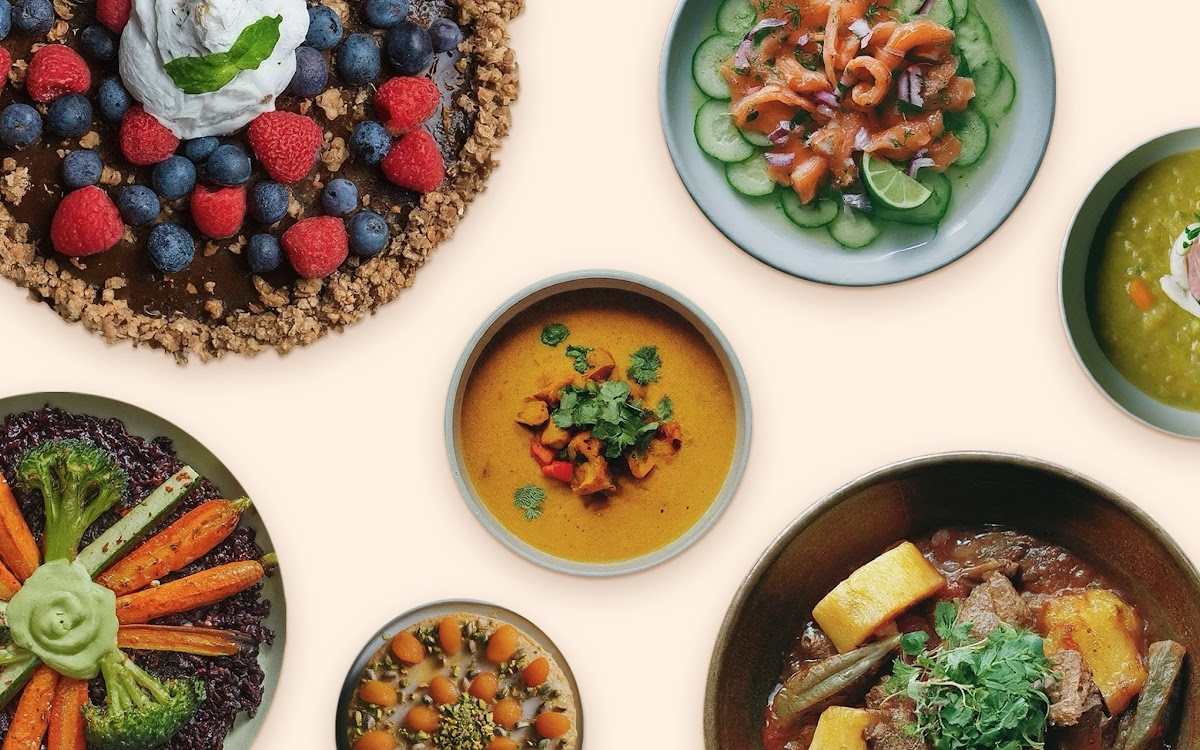
Food Fusion & Flavor Fusion: The Platforms Leading the Way
Two platforms lead this AI recipe movement: FoodFusion-app.com and FlavorFusion-hub.base44.app. Both offer AI recipe generation but use different approaches to suit varied user preferences.
Food Fusion uses a 'select two countries' model. Choose starting points, like Italy and Japan, and the AI generates blended cuisine recipes. The platform has over 240 explored recipes, with a clean interface for customizing by difficulty and meal type.
Flavor Fusion takes a more open-ended approach. Describe your craving, like 'something spicy and comforting,' and the AI generates recipes. You can also input available ingredients to minimize waste. They claim 5-second recipe generation, and it's free to start.
Food Fusion's structured approach makes exploring specific cultural combinations easy, ideal for guided experiences. Flavor Fusion is more flexible for adventurous cooks, though this can lead to less predictable results. User experience appears to be the focus for both.
- Food Fusion: Select two countries, structured approach, over 240 recipes.
- Flavor Fusion: Describe your craving, flexible, generates recipes in 5 seconds.
AI Fusion Platforms: A Comparison
- Food Fusion – This platform focuses on broad culinary exploration, offering fusion suggestions based on ingredient compatibility and global cuisine pairings. It’s known for a user-friendly interface suitable for beginners.
- Flavor Fusion – Flavor Fusion leans towards more adventurous combinations, often suggesting unexpected pairings based on flavor profiles and chemical compounds. It requires a slightly steeper learning curve.
- Ease of Use – Food Fusion generally receives higher marks for its intuitive design and guided recipe creation process. Flavor Fusion offers more control, but can be overwhelming for novice users.
- Recipe Variety – Both platforms boast extensive databases of classic recipes. Flavor Fusion’s algorithm can generate a wider range of novel fusions, but the results aren't always palatable.
- Customization Options – Flavor Fusion allows users to fine-tune parameters like spice levels, dietary restrictions, and preferred cooking techniques to a greater degree than Food Fusion.
- Community Features – Food Fusion has a more active community forum where users share their creations and provide feedback on generated recipes. Flavor Fusion’s community is smaller, but more focused on experimental cuisine.
- Cost – Food Fusion operates on a freemium model, with limited access to features in the free version and a subscription for unlimited use. Flavor Fusion is currently available as a one-time purchase.
- Ingredient Focus – Both platforms allow users to input available ingredients to generate recipes, minimizing food waste. Flavor Fusion also incorporates seasonality data for optimal flavor combinations.
Beyond the Algorithm: How Recipes Are Generated
AI recipe generation is complex, despite simple user interfaces. It identifies patterns and relationships within vast recipe datasets, learning which flavors and techniques work well together, rather than randomly combining ingredients.
Large language models (LLMs) are a likely key component. Trained on massive text data from cookbooks, food blogs, and articles, these models understand recipe structure, ingredient roles, and cooking techniques, enabling them to generate new recipes adhering to culinary principles.
AI focuses on ingredient swaps, technique blending, and flavor profile matching when fusing cuisines. It's a probabilistic process; AI predicts palatable combinations rather than 'understanding' flavor like a human chef.
Limitations exist. AI quality depends on its training data; bias or incompleteness leads to flawed recipes. It struggles with complex flavor interactions and cultural sensitivities. While powerful, it doesn't replace human culinary expertise.
Reimagined Classics: Examples in Action
AI-generated fusion recipes yield intriguing results. Miso Carbonara, a Japanese-Italian fusion, replaces guanciale with miso-glazed pork belly and adds soy sauce to the creamy sauce. Many find it a harmonious blend of umami and richness.
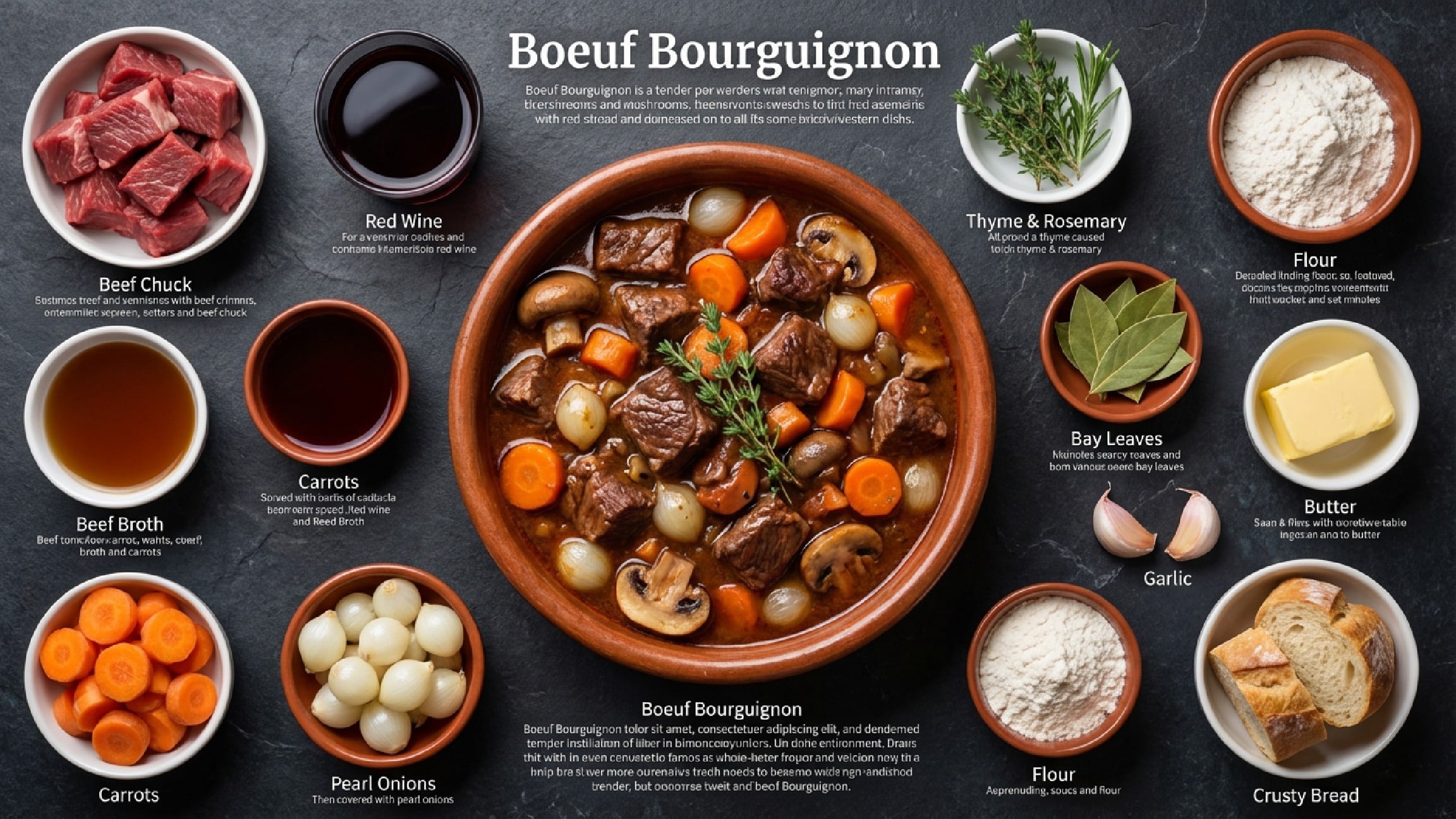
Wasabi Pesto Genovese adds wasabi's kick to classic Italian pesto, creating a green sauce with subtle heat, delicious with pasta, grilled fish, or as a sandwich spread. A Korean-French Boeuf Bourguignon with Gochujang reportedly clashed in flavor.
undefined saffron, chorizo, and preserved lemons.
A particularly interesting example is a Thai-inspired Shepherd’s Pie. The traditional mashed potato topping is replaced with a sweet potato and coconut milk puree, and the meat filling is flavored with red curry paste and lemongrass. It’s a clever twist on a comfort food classic. Finally, a German-Ethiopian fusion has led to a recipe for Injera-style Spätzle, using the traditional Ethiopian flatbread as a base for the German egg noodles.
It’s worth noting that not every AI-generated recipe is a winner. Some combinations simply don’t work, and the AI sometimes produces recipes that are technically edible but lack culinary finesse. But the sheer volume of experimentation is leading to some genuinely innovative and delicious creations.
The Human Element: Chefs & AI Collaboration
AI isn’t poised to replace chefs anytime soon, but it is becoming a valuable tool in their arsenal. Many chefs are using AI as a source of inspiration, a way to overcome creative blocks, or to streamline recipe development. It can quickly generate variations on a theme, allowing chefs to explore new possibilities without spending hours in the kitchen.
Some chefs are even actively involved in training AI models, providing feedback on generated recipes and helping to refine the algorithms. This collaboration is crucial for ensuring that the AI understands the nuances of flavor and the importance of cultural context. It’s a symbiotic relationship: the AI provides chefs with new ideas, and chefs provide the AI with valuable insights.
However, there’s also a healthy dose of skepticism within the culinary community. Many chefs believe that AI lacks the creativity and intuition necessary to truly innovate. They argue that cooking is an art form, and that art requires human emotion and experience. This is a valid point, and it’s unlikely that AI will ever fully replicate the artistry of a skilled chef.
As of late 2026, I haven't found widespread evidence of restaurants featuring exclusively AI-generated dishes on their menus. However, several chefs are experimenting with AI-assisted recipe development and incorporating elements of AI-generated cuisine into their tasting menus. It's a gradual process, but the trend is clear: AI is becoming an increasingly important part of the culinary landscape.
Flavor Profiles & Cultural Sensitivity
This is where things get tricky. AI doesn’t understand cultural context. It can easily create combinations that are disrespectful or inappropriate, even if they’re technically edible. For example, an AI might suggest combining sacred ingredients from different cultures without understanding their significance.
The ethical considerations of AI-generated fusion recipes are paramount. We need to ensure that these recipes are created with sensitivity and respect for different cultures. This requires careful vetting by human chefs and a deep understanding of culinary traditions. It’s not enough to simply combine ingredients; we need to consider the cultural implications of those combinations.
Some combinations might just not work for cultural reasons, even if they’re technically palatable. Certain ingredients may be considered taboo in specific cultures, or certain cooking methods may be seen as disrespectful. Ignoring these nuances can lead to offense and cultural appropriation. It’s crucial to approach fusion cuisine with humility and a willingness to learn.
The responsibility lies with the developers of AI recipe generators and with the chefs who use them. They need to prioritize cultural sensitivity and ensure that their creations are respectful and appropriate. This is not simply a matter of avoiding bad taste; it’s a matter of ethical responsibility.
Looking Ahead: What’s Next for AI & Food?
The future of AI in the kitchen is full of possibilities. We’re likely to see AI-powered appliances that can automatically adjust recipes based on available ingredients, minimizing food waste and maximizing flavor. Imagine a smart oven that suggests substitutions based on what you have in your pantry.
Personalized recipes are another likely trend. AI could analyze our individual dietary needs, preferences, and even genetic predispositions to create recipes that are tailored to our specific requirements. This could revolutionize the way we approach nutrition and health.
Perhaps the most ambitious possibility is the creation of entirely new cuisines. AI could identify novel flavor combinations and cooking techniques that humans haven’t yet discovered, leading to a culinary renaissance. However, this will require careful consideration of cultural sensitivity and ethical implications.
The biggest challenges that need to be addressed include data bias, cultural sensitivity, and ensuring food safety. We need to ensure that AI models are trained on diverse datasets and that they are capable of generating recipes that are both delicious and safe to eat. The future of food is undoubtedly intertwined with AI, but it’s a future that requires careful planning and responsible innovation.
Standout Recipes: Worth a Second Look
Of all the AI-generated fusion recipes I’ve encountered, the Miso Carbonara and the Thai-inspired Shepherd’s Pie stand out as particularly successful. The Miso Carbonara is a masterclass in umami blending, with the miso-glazed pork belly adding a depth of flavor that complements the creamy sauce perfectly. It’s a surprisingly balanced and satisfying dish.
The Thai Shepherd’s Pie is another winner. The sweet potato and coconut milk puree provides a unique and flavorful twist on the traditional mashed potato topping, and the red curry paste and lemongrass add a fragrant and spicy kick to the meat filling. It’s a comforting yet exotic dish that’s sure to impress.
What makes these recipes work so well? Both rely on complementary flavor profiles and techniques. The miso in the Carbonara adds umami, which is already present in the Parmesan cheese and egg yolks. The coconut milk and lemongrass in the Shepherd’s Pie complement the savory flavors of the meat and vegetables. They are not just random combinations; they are carefully considered fusions that showcase the potential of AI-generated cuisine.


No comments yet. Be the first to share your thoughts!