
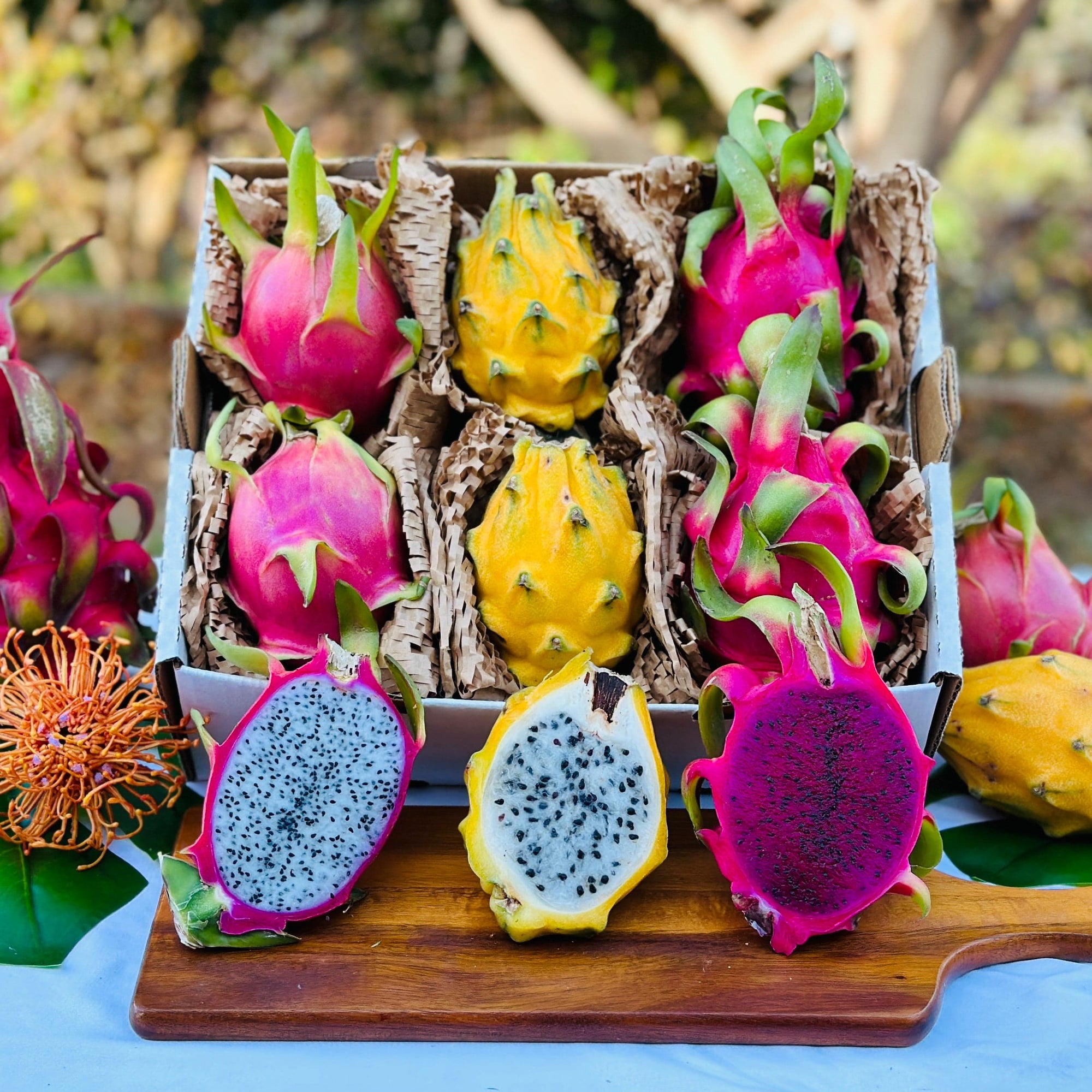
7 Exotic Dragon Fruits You Need to Try in 2024: A Complete Guide to Asian Superfruit Varieties - Part 1
Dragon fruit has captured the attention of health enthusiasts and adventurous food lovers worldwide, and 2024 is proving to be the year this exotic superfruit truly shines. With its striking appearance and impressive nutritional profile, dragon fruit offers more than just Instagram-worthy appeal. As someone who has spent years exploring unique ingredients in the kitchen, I can tell you that understanding the different varieties of this Asian superfruit opens up a world of culinary possibilities.
Native to Central America but now extensively cultivated across Asia, dragon fruit belongs to the cactus family and thrives in tropical climates. What makes these fruits particularly exciting is the diversity of varieties available, each offering distinct flavors, textures, and nutritional benefits. From the familiar white-fleshed varieties found in most supermarkets to rare purple-skinned specimens that command premium prices, the world of dragon fruit is far more complex than many realize.

The Nutritional Powerhouse Behind the Exotic Appearance
Before diving into specific varieties, it's essential to understand why dragon fruits have earned their superfruit status. These remarkable fruits are packed with vitamin C, containing up to 60% of your daily requirement in a single serving. They're also rich in iron, magnesium, and B vitamins, while being naturally low in calories and high in fiber. The antioxidants found in dragon fruit, particularly betalains in red-fleshed varieties, contribute to their anti-inflammatory properties and potential heart health benefits.
What sets dragon fruit apart from other tropical fruits is its unique combination of hydration and nutrition. With a water content of approximately 90%, these fruits provide excellent hydration while delivering essential nutrients. The natural sugars are balanced with fiber, making dragon fruit a smart choice for those monitoring their blood sugar levels.
Understanding Dragon Fruit Classifications
Dragon fruits are primarily classified by their flesh color and skin characteristics. The three main categories include white-fleshed varieties with their mild, refreshing taste; red-fleshed types offering sweeter, more intense flavors; and the rare yellow-skinned varieties that provide unique taste profiles. Each category encompasses multiple cultivars, with subtle differences in sweetness, texture, and growing requirements.
Test Your Dragon Fruit Knowledge: Exotic Varieties Quiz
Dragon fruit has evolved far beyond the common white-fleshed variety found in most grocery stores. With exotic cultivars emerging from Southeast Asia offering unique flavors, colors, and nutritional profiles, there's a whole world of pitaya to explore. Test your knowledge about these fascinating superfruit varieties and discover how much you know about the dragon fruits taking the culinary world by storm in 2024.
The cultivation of dragon fruit has expanded significantly across Southeast Asia, with countries like Vietnam, Thailand, and Malaysia becoming major producers. This expansion has led to the development of new varieties specifically bred for enhanced flavor, improved shelf life, and resistance to common diseases. Understanding these regional differences helps explain why dragon fruits from different sources can vary considerably in taste and quality.
What to Look for When Selecting Dragon Fruits
Choosing the perfect dragon fruit requires understanding the visual and tactile cues that indicate ripeness and quality. A ripe dragon fruit should have bright, evenly colored skin without dark spots or excessive softness. The skin should yield slightly to gentle pressure, similar to a ripe avocado. The scales or bracts on the exterior should appear fresh and vibrant, not dried or browning.
Storage plays a crucial role in maintaining dragon fruit quality. Unripe fruits can be left at room temperature for 2-3 days to soften, while ripe fruits should be refrigerated and consumed within a week. The flesh should appear translucent and firm when cut, with seeds that are small and evenly distributed throughout.
Price variations in dragon fruit often reflect the variety, origin, and seasonality. While common white-fleshed varieties are increasingly affordable, exotic red-fleshed and yellow varieties command premium prices due to their limited availability and superior flavor profiles.
Exotic Fruit Commodity Price Comparison
Agricultural commodity prices as of April 2026 - Premium exotic fruit varieties
| Asset | Current Price | 24h | 7d | 30d | Market Cap |
|---|---|---|---|---|---|
| Dragon Fruit (Exotic Varieties) DRAGONFRUIT | $8.45 | +1.2% | +4.8% | +18.7% | $2.1B |
| Avocado AVOCADO | $2.85 | -0.8% | +2.1% | +7.3% | $4.8B |
| Mango MANGO | $3.20 | +0.5% | +1.9% | +12.4% | $3.6B |
| Passion Fruit PASSIONFRUIT | $6.75 | +2.1% | +6.2% | +15.8% | $1.4B |
| Kiwi Fruit KIWI | $4.15 | -0.3% | +1.4% | +8.9% | $2.7B |
| Papaya PAPAYA | $2.95 | +0.7% | +2.8% | +9.6% | $2.2B |
Analysis Summary
Dragon fruit commands the highest premium at $8.45 per pound, reflecting its exotic status and limited supply chains. Passion fruit follows at $6.75, while traditional fruits like avocado and papaya remain more affordable. All exotic varieties show strong 30-day growth, with dragon fruit leading at +18.7%.
Key Insights
- Dragon fruit prices have surged 18.7% in 30 days due to increased superfruit demand and limited exotic variety availability
- Passion fruit shows the strongest weekly momentum at +6.2%, driven by growing use in premium beverages and desserts
- Avocado maintains the largest market cap at $4.8B despite recent price softening, reflecting its established global distribution network
Prices represent wholesale commodity rates per pound for premium grade fruits. Market caps reflect estimated annual global trade value for each fruit category.
Disclaimer: Stock prices are highly volatile and subject to market fluctuations. Data is for informational purposes only and should not be considered investment advice. Always do your own research before making investment decisions.
In the next section of this guide, we'll explore four specific exotic dragon fruit varieties that are making waves in 2024, including detailed flavor profiles, nutritional comparisons, and practical tips for incorporating each variety into your culinary repertoire. From the sweet intensity of red-fleshed varieties to the unique characteristics of rare yellow-skinned specimens, these exotic options will transform your understanding of what dragon fruit can offer.
Exotic Dragon Fruit Varieties: The Hidden Gems
While white and red-fleshed dragon fruits dominate supermarket shelves, the world of exotic dragon fruits extends far beyond these common varieties. These lesser-known Asian superfruits offer extraordinary flavors, enhanced nutritional profiles, and unique culinary applications that make them essential discoveries for 2024.
3. Yellow Dragon Fruit (Selenicereus megalanthus)
Often called the golden pitaya, this Colombian native stands apart with its bright yellow skin covered in small spikes and translucent white flesh. The flavor profile is significantly sweeter than its pink-skinned cousins, with tropical notes reminiscent of pineapple and banana. Yellow dragon fruit contains higher levels of natural sugars and vitamin C, making it particularly appealing to those seeking both taste and nutrition.
4. Purple Dragon Fruit (Hylocereus guatemalensis)
This rare variety features deep purple skin with magenta flesh that's intensely sweet and aromatic. The purple dragon fruit offers the highest antioxidant content among all varieties, with betalains responsible for its rich color providing powerful anti-inflammatory benefits. Its complex flavor combines notes of grape, berry, and tropical fruit.
5. Pink Dragon Fruit (Hylocereus purpusii)
Distinguished by its pale pink skin and white flesh with a subtle pink tinge, this Mexican variety offers a delicate floral flavor with hints of rose and lychee. The pink dragon fruit is prized for its smooth texture and sophisticated taste profile, making it ideal for gourmet applications and fine dining presentations.
6. Giant Dragon Fruit (Hylocereus triangularis)
True to its name, this variety can weigh up to 2 pounds and features thick pink skin with white flesh. The giant dragon fruit offers a more concentrated flavor and denser texture, with a taste that's both sweet and slightly tart. Its size makes it perfect for sharing and creates impressive visual impact in fruit displays.
7. Sweet Dragon Fruit (Hylocereus ocamponis)
This Central American variety is considered the sweetest of all dragon fruits, with sugar content reaching up to 15 Brix. The sweet dragon fruit has bright pink skin with white flesh and offers an intensely sweet flavor without the sometimes bland aftertaste of common varieties.
Test Your Dragon Fruit Knowledge: Exotic Varieties Quiz
Dragon fruit has evolved far beyond the common white-fleshed variety found in most grocery stores. With exotic varieties offering unique flavors, colors, and nutritional profiles, there's a whole world of pitaya to explore. How well do you know these fascinating superfruit varieties and their distinctive characteristics? Test your knowledge of dragon fruit's most intriguing cultivars.
Nutritional Powerhouse: Why These Exotic Varieties Matter
Each exotic dragon fruit variety brings unique nutritional advantages. Yellow dragon fruit contains 25% more vitamin C than white varieties, while purple dragon fruit delivers three times the antioxidant capacity. These Asian superfruits are naturally low in calories, high in fiber, and packed with essential minerals including iron, magnesium, and potassium.
Where to Find and How Much to Expect
Sourcing exotic dragon fruit varieties requires knowing where to look and what to budget. Specialty Asian markets, high-end grocery stores, and online retailers are your best options for finding these rare varieties.
Selecting and Storing Your Exotic Dragon Fruits
Choosing the perfect exotic dragon fruit requires attention to specific indicators. Look for fruits with vibrant, evenly colored skin without dark spots or excessive softness. The skin should yield slightly to gentle pressure but not feel mushy.
Culinary Applications: Beyond Fresh Consumption
While these exotic dragon fruits are delicious eaten fresh, their unique flavors and colors make them exceptional ingredients for creative culinary applications. Yellow dragon fruit's sweetness works beautifully in desserts, while purple dragon fruit's intense color creates stunning smoothie bowls and natural food coloring.
Growing Trend: The Future of Exotic Dragon Fruits
The exotic dragon fruit market is experiencing unprecedented growth, with specialty varieties commanding premium prices and increasing availability. As consumer interest in unique flavors and superfruit nutrition continues to expand, these seven varieties represent the forefront of tropical fruit innovation. Whether you're a health-conscious consumer, culinary enthusiast, or simply curious about new flavors, exploring these exotic dragon fruit varieties offers an exciting journey into the diverse world of Asian superfruits.

No comments yet. Be the first to share your thoughts!