
Why exotic fruits are trending in 2026
The global palate is shifting away from standard supermarket staples toward produce that offers distinct visual drama and complex flavor profiles. This year, the surge in demand for exotic fruits is driven by a desire for unique culinary experiences that combine striking appearances with health-focused benefits. Consumers are increasingly seeking out non-native varieties that challenge the familiar textures of apples and oranges, looking instead for the creamy richness of cherimoya or the tart punch of passion fruit.
These exotic fruits are not just novelties; they represent a broader movement toward diverse, nutrient-dense eating. The 2026 trend highlights how distinctive flavors and textures—from the fibrous bite of jackfruit to the gelatinous sweetness of rambutan—are reshaping modern diets. This shift is supported by culinary education and a growing appreciation for global agricultural diversity, making these once-rare items accessible to home cooks and food enthusiasts alike.
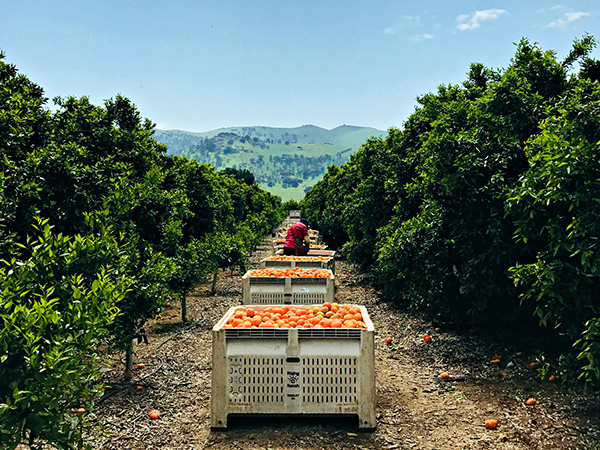
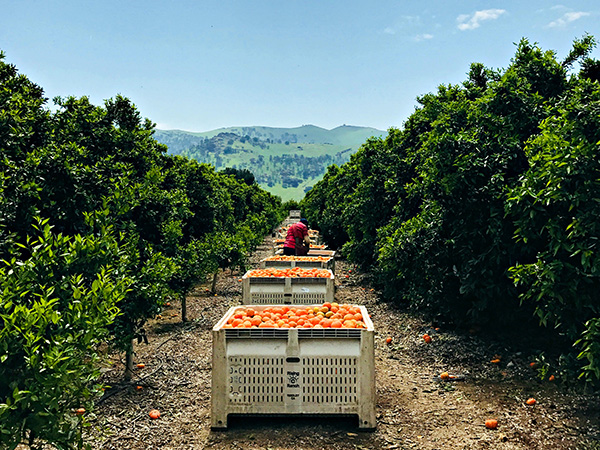
As supply chains improve and consumer curiosity grows, these five dominant exotic fruits are moving from specialty markets to mainstream visibility. Their rise marks a significant change in how we approach produce, prioritizing flavor complexity and visual appeal alongside nutritional value.
5 Exotic Fruits Dominating Global Taste Trends
The global palate is shifting toward bold, unapologetic flavors, with five exotic fruits rising to prominence in 2026. These contenders are redefining culinary standards through complex flavor profiles, unique textures, and striking visual appeal.
-
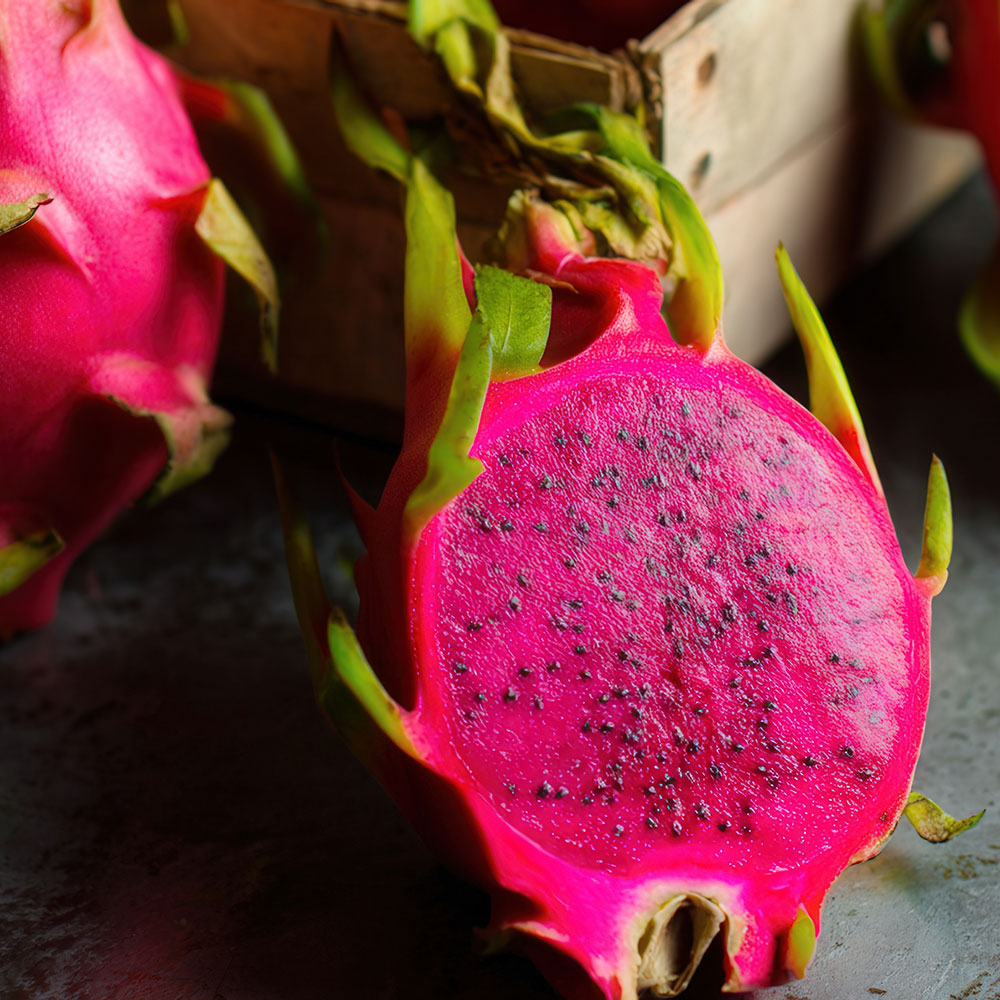
Dragon fruit: The visual staple
Dragon fruit commands attention with its vibrant magenta skin and speckled white or red flesh, offering a mild, refreshing taste reminiscent of a cross between kiwi and pear. Its unique appearance makes it a centerpiece for fruit platters and smoothie bowls, while its subtle sweetness allows it to pair effortlessly with tangy citrus or rich yogurt, providing a striking visual contrast without overpowering the palate. -
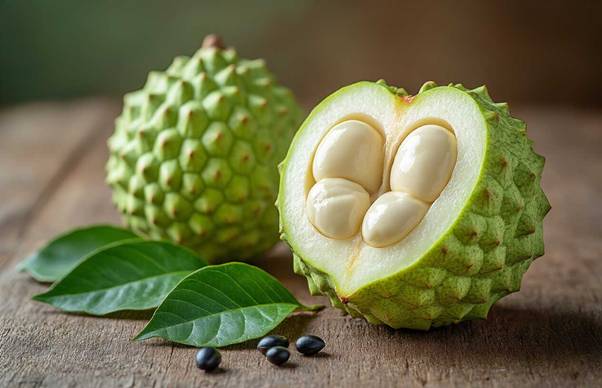
Cherimoya: The creamy custard apple
Often called the custard apple, cherimoya delivers a rich, silky texture that melts on the tongue, blending notes of banana, strawberry, and vanilla. This South American native offers a luxurious mouthfeel unlike any other fruit, making it ideal for desserts or eaten fresh by the spoonful. Its complex flavor profile and smooth consistency have earned it a devoted following among culinary adventurers seeking deeper, more nuanced fruit experiences. -
Passion fruit: The tart flavor booster
Passion fruit bursts with intense, aromatic acidity and tropical sweetness, encapsulated in a hard purple rind surrounding gelatinous, seed-filled pulp. This potent ingredient elevates cocktails, salad dressings, and desserts with its bright, tangy punch. Its high acidity balances rich creams and sweet syrups, adding a sophisticated layer of complexity that transforms simple recipes into vibrant, restaurant-quality creations with minimal effort. -

Jackfruit: The versatile meat alternative
Young, unripe jackfruit possesses a neutral flavor and fibrous texture that mimics pulled pork or chicken when cooked, making it a staple in plant-based cuisine. Its ability to absorb marinades and spices allows it to take on savory profiles, from BBQ to tacos. This versatile fruit bridges the gap between fruit and vegetable, offering a sustainable, protein-rich alternative that satisfies hearty appetites without the ethical or environmental concerns of traditional meats. -
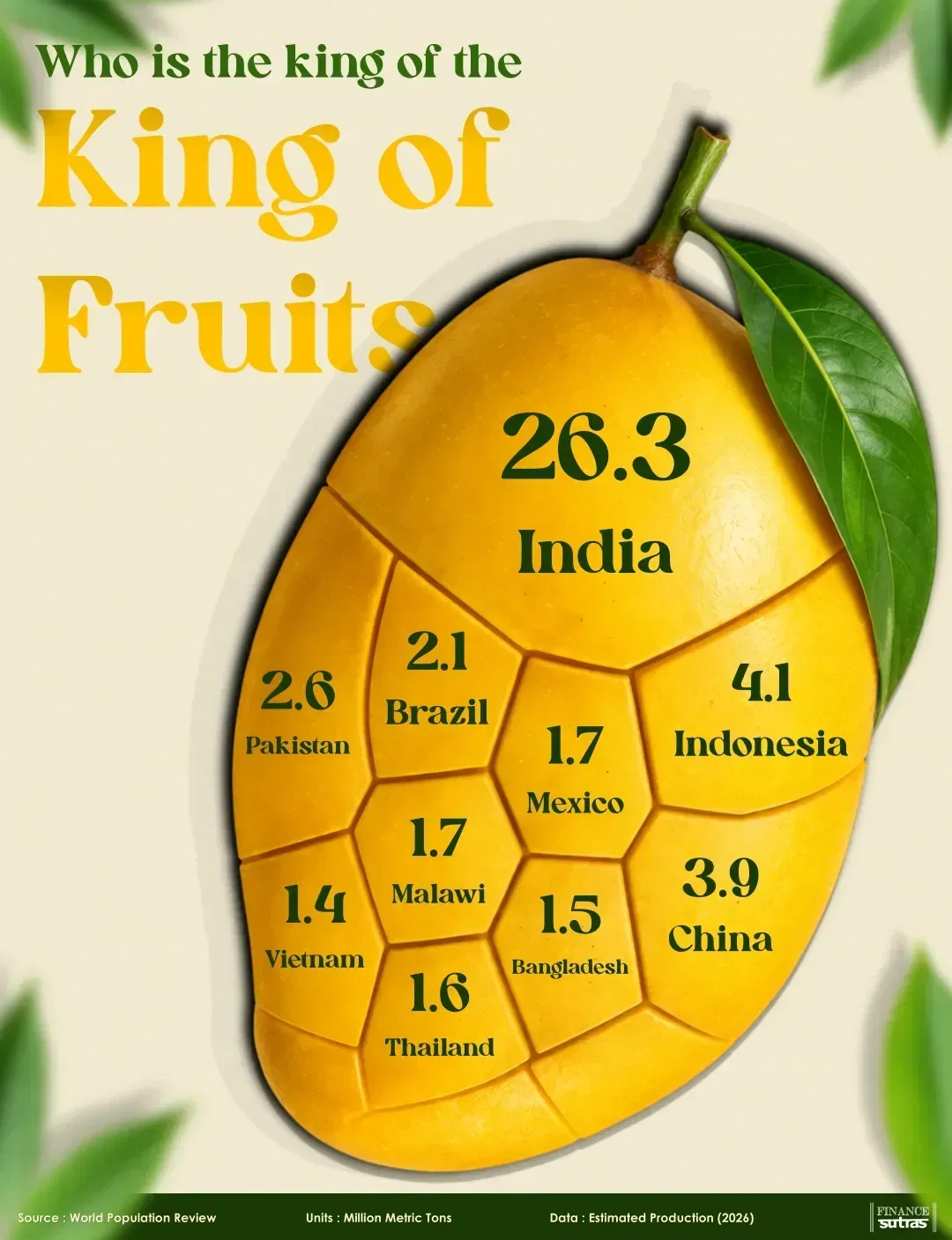
Mango: The global flavor king
Mango reigns supreme with its golden flesh and unmistakable, sweet-tart aroma that defines tropical flavor. From the floral notes of Alphonso to the fibrous sweetness of Ataulfo, its versatility spans fresh eating, chutneys, and smoothies. Its rich, buttery texture and vibrant color add depth to both sweet and savory dishes, cementing its status as the world’s most beloved fruit and an essential ingredient in global culinary traditions.
Common questions about exotic fruits
Exotic fruits are non-native fruits with distinctive flavors, textures, and appearances sourced from around the world. Think rambutan, mangosteen, kaki fruit, and lychee. They offer culinary experiences that go beyond the standard apple or banana.
What are exotic fruits?
Exotic fruits are non-native fruits with distinctive flavors, textures, and appearances sourced from around the world. Think rambutan, mangosteen, kaki fruit, and lychee. They offer culinary experiences that go beyond the standard apple or banana.
How do I pick a ripe dragon fruit?
Look for skin that is bright pink and slightly soft to the touch, similar to a ripe avocado. Avoid fruits with shriveled skin or large brown spots, which indicate over-ripeness. The flesh should be vibrant and firm when cut open.
What does a mangosteen taste like?
Mangosteen has a sweet, tangy, and slightly floral flavor profile. The texture is soft and juicy, resembling a grape or a peach. It is often described as a cross between a strawberry, a peach, and a lychee.
Are exotic fruits hard to find?
While some varieties like dragon fruit and rambutan are increasingly common in major supermarkets, others like cherimoya or soursop may require a trip to a specialty tropical fruit shop or a farmers market. Online retailers also offer curated boxes for hard-to-find items.

No comments yet. Be the first to share your thoughts!