
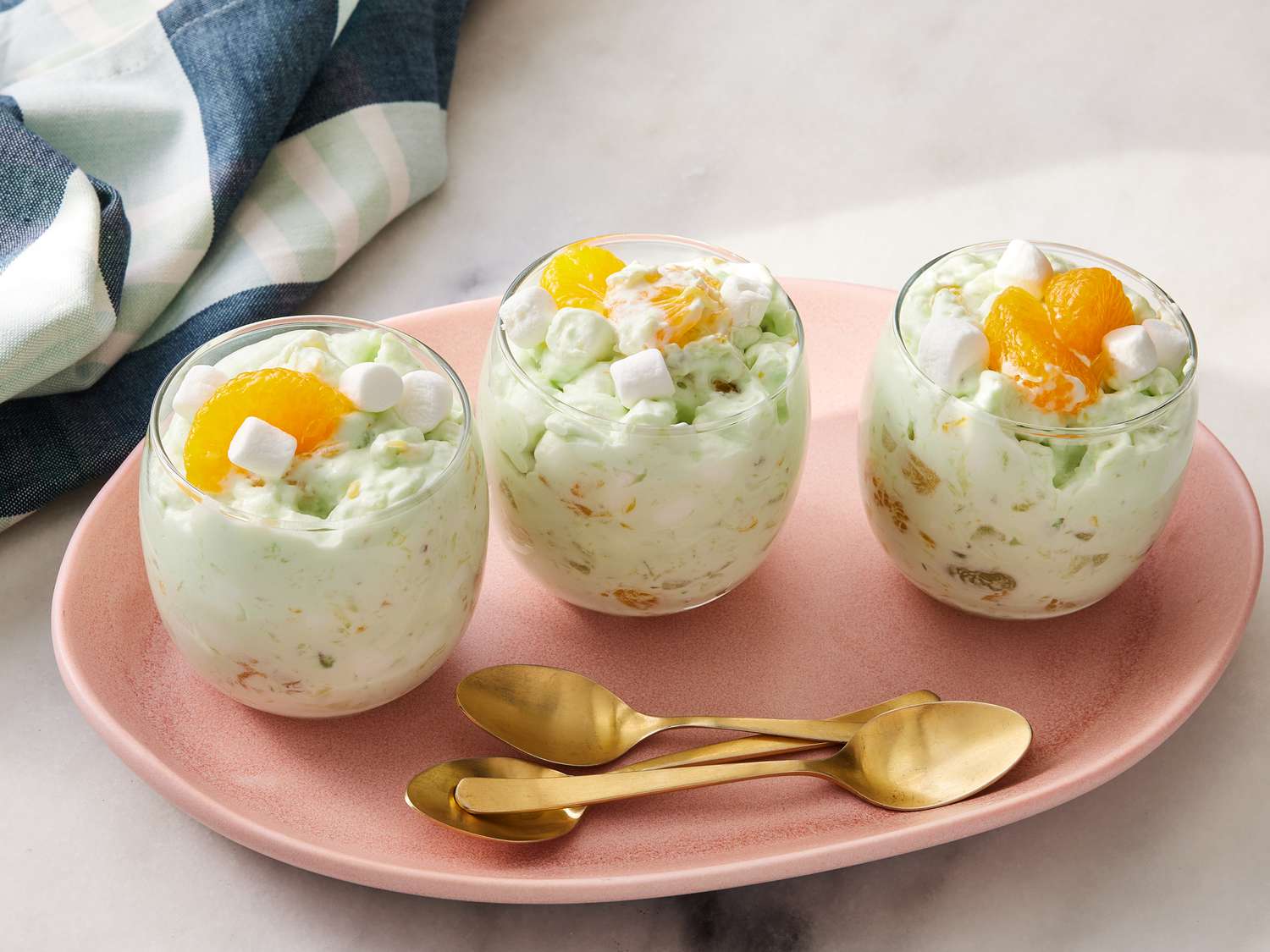
Get food fluff right
Before you start mixing, clarify which "fluff" you are making. The term covers two very different foods: the sweet American marshmallow spread and the savory West African swallow. Confusing the two leads to wrong ingredients and failed textures.
American Marshmallow Fluff
American fluff is a light, airy confection made from sugar, corn syrup, egg whites, and vanilla. The key is the aeration process. Traditional recipes use a specific batch method that traps air without cooking the eggs, creating a smooth, stable foam. This texture is delicate; over-whipping causes it to collapse into a sticky mess. You need precise sugar temperature control to keep it fluffy.
African Fufu
African fufu, often misspelled as "fluff" in casual conversation, is a dense, dough-like staple. It is made by boiling starchy roots like cassava or yams, then pounding or blending them into a smooth, elastic ball. Unlike the airy American version, fufu requires vigorous mechanical action to break down the starches. It is served as an utensil for soups, not as a sweet treat. The texture should be stretchy and smooth, with no lumps.
Choosing Your Path
If you are making sandwiches or desserts, you need the marshmallow mixture. If you are preparing for a West African stew, you need the pounded dough. Check your recipe title carefully. Marshmallow fluff is still produced using the original 100-year-old batch process, ensuring consistent quality. African fufu requires fresh or frozen cassava and a strong pounding arm or high-speed blender.
Common Mistakes with Exotic Fruits and Fluff
Even seasoned fruit lovers trip up when handling unfamiliar textures. The most frequent error is treating delicate exotic fruits like standard apples or oranges. You cannot wash, peel, and slice them with the same force. For instance, dragon fruit and kiwi skins are edible but often bitter; removing them requires a knife, not a peeler. Mangoes have a large, flat pit that runs through the center, which can ruin a dish if you miss it during slicing.
Another common pitfall involves the "fluff" category, which spans two very different culinary traditions. If you are preparing a West African meal, you are likely looking for fufu, a swallow food made from cassava or yams. This requires boiling and pounding until it reaches a smooth, dough-like consistency. It is not a dessert spread. Confusing fufu with American-style marshmallow fluff leads to incorrect ingredient lists and failed dishes.
When using marshmallow fluff in desserts, texture control is everything. The classic New England Fluffernutter sandwich relies on the spread's ability to stay soft without soaking into the bread too quickly. Using a cold, stiff jar of fluff makes spreading difficult and creates an uneven layer. Letting the jar sit at room temperature for ten minutes restores its natural smoothness, ensuring every bite is balanced.
Food fluff: what to check next
Before you head to the store or start mixing, here are the practical answers to the most common questions about these two very different "fluffs."

No comments yet. Be the first to share your thoughts!