
Beyond the Peel: First Impressions of Dragon Fruit and Passion Fruit
There’s something undeniably captivating about exotic fruits. They promise a taste of the tropics, a visual feast, and often, a boost of nutrients. Two standouts currently capturing attention are dragon fruit and passion fruit. You’ve likely seen them popping up on social media – the vibrant pink of dragon fruit is extremely Instagrammable, while passion fruit often hides its treasures within a slightly mysterious, purple exterior.
Dragon fruit, scientifically known as Hylocereus undatus, has exploded in popularity in the last few years. It feels like everyone is suddenly trying it, and it’s easy to see why. Its striking appearance, resembling a pink dragon scale, immediately sets it apart. Passion fruit, or Passiflora edulis, has a longer history of culinary use, frequently appearing in juices and cocktails. I suspect its association with those refreshing drinks has contributed to its ongoing appeal.
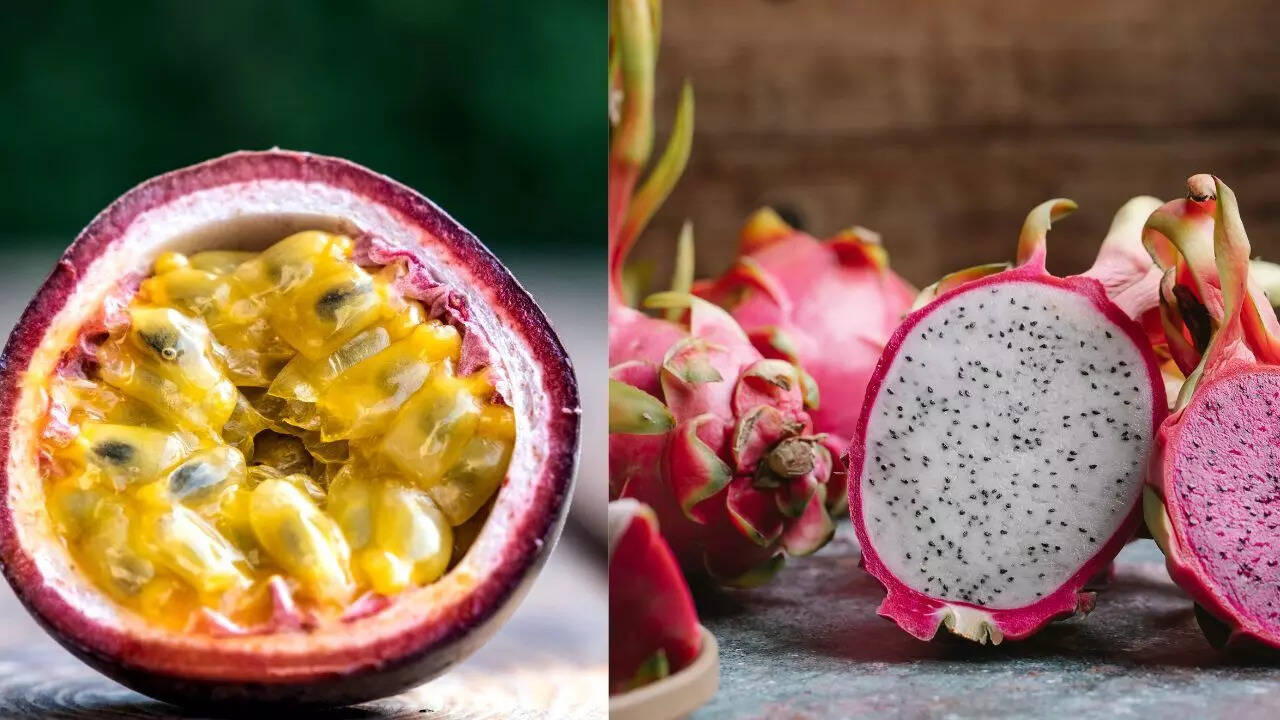
Generally, dragon fruit is described as mildly sweet, almost like a blend between a kiwi and a pear. The flavor is quite subtle, which can be a plus or a minus depending on your preference. Passion fruit, on the other hand, delivers a powerfully tart and tangy experience. Its aroma alone is intoxicating, hinting at the complex flavors within. It’s a taste that truly transports you. The current hype surrounding both fruits feels different though – dragon fruit is very much a "look at me" fruit, while passion fruit feels like a well-kept secret shared amongst those in the know.
Both fruits have roots in Central and South America, but are now cultivated in Southeast Asia and other tropical regions. Dragon fruit, originally from Central America, thrives in Vietnam and Thailand, where it’s become a major export. Passion fruit, native to Brazil, Paraguay, and Argentina, is now grown commercially in Hawaii, Australia, and parts of Africa. They’ve both made quite the journey.
A Deep Dive into the Nutritional Breakdown
Let’s move beyond aesthetics and look at what these fruits offer nutritionally. Per 100g serving, dragon fruit (specifically the white-fleshed variety) contains roughly 60 calories, 1.2g of protein, 0.3g of fat, and 13g of carbohydrates, with 3g of fiber (USDA FoodData Central, 2024). It’s a good source of Vitamin C, providing around 20% of the daily recommended intake, and also contains iron, magnesium, and calcium, though in smaller amounts.
Passion fruit, also per 100g, packs a slightly denser nutritional punch with approximately 97 calories, 2.2g of protein, 0.4g of fat, and 22g of carbohydrates, with 10g of fiber (USDA FoodData Central, 2024). It’s an excellent source of Vitamin C, exceeding the daily recommended intake, and also provides Vitamin A and folate. Passion fruit is also a good source of potassium. It's important to note these figures can vary slightly depending on the specific variety of each fruit.
Dragon fruit is often touted for its antioxidant properties, thanks to compounds like betalains, which may help protect cells from damage. It’s also a good source of prebiotics, which feed beneficial bacteria in the gut. Passion fruit’s high fiber content contributes to digestive health, and its Vitamin C boosts the immune system. It's not necessarily that one is 'better' than the other, but rather that they offer different nutritional strengths.
I think the key takeaway here is that both fruits are incredibly healthy choices. Dragon fruit feels lighter and more hydrating, making it a great option for post-workout recovery. Passion fruit provides a more concentrated dose of certain vitamins and minerals, offering a broader range of benefits. They aren’t replacements for a balanced diet, of course, but they’re certainly valuable additions.
- Dragon Fruit (per 100g): 60 calories, 1.2g protein, 0.3g fat, 13g carbs, 3g fiber, 20% Daily Value Vitamin C
- Passion Fruit (per 100g): 97 calories, 2.2g protein, 0.4g fat, 22g carbs, 10g fiber, Exceeds Daily Value Vitamin C
Dragon Fruit vs. Passion Fruit: Nutritional Comparison (per 100g)
| Nutrient | Dragon Fruit (White-fleshed) | Passion Fruit (Yellow) |
|---|---|---|
| Calories | 60 kcal | 97 kcal |
| Protein | 1.2 g | 2.2 g |
| Fat | 0.4 g | 0.3 g |
| Carbohydrates | 13 g | 22.8 g |
| Fiber | 3 g | 10.4 g |
| Vitamin C | 3 mg | 34.8 mg |
| Vitamin A | 14 mcg RAE | 44 mcg RAE |
| Potassium | 227 mg | 348 mg |
| Iron | 0.7 mg | 0.2 mg |
| Magnesium | 18 mg | 37 mg |
Data sourced from AI research — verify before making decisions
Taste Test: What Do These Fruits Actually Taste Like?
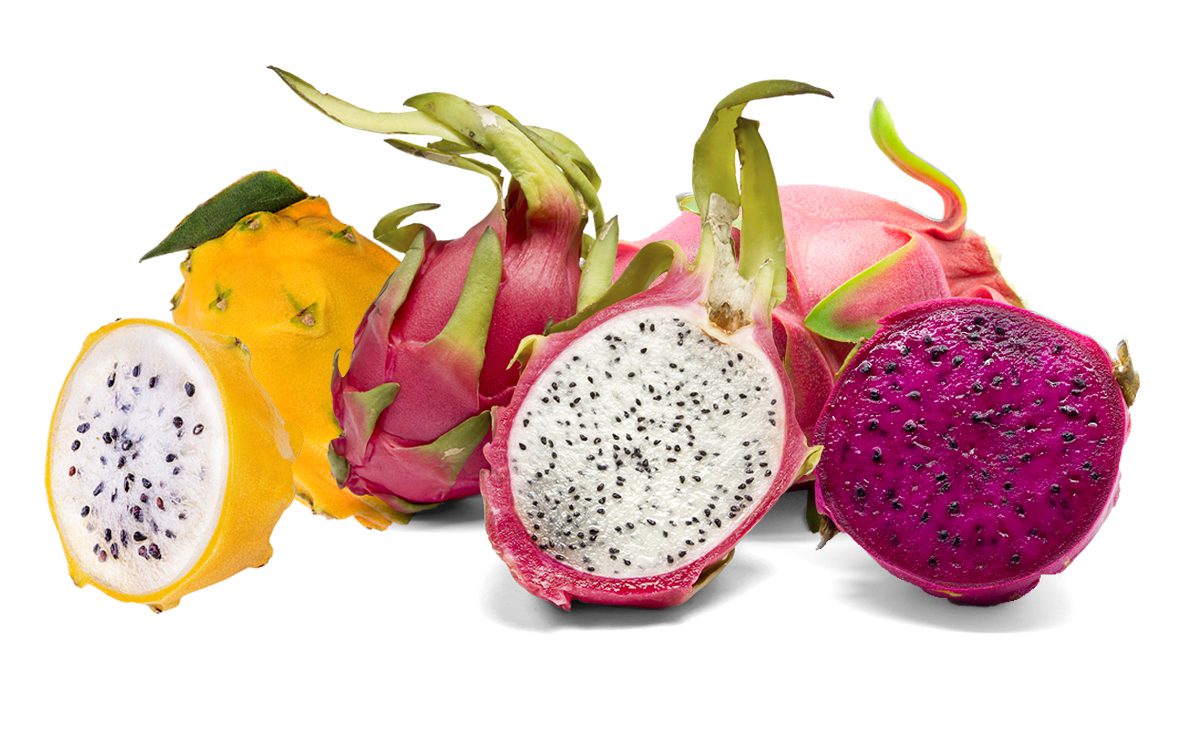
Describing taste is always subjective, but I’ll do my best to paint a clear picture. Dragon fruit, particularly the white-fleshed variety, has a very mild sweetness. It’s often compared to a kiwi, but less acidic, or a pear, but less juicy. The texture is somewhat crunchy, thanks to the tiny black seeds scattered throughout the pulp. It’s refreshing, but not particularly bold in flavor. The red-fleshed varieties tend to be a bit sweeter, but still relatively subtle.
Passion fruit, in contrast, is an explosion of flavor. It’s intensely tart and tangy, with a fragrant aroma that's incredibly appealing. The pulp is gelatinous and contains numerous edible seeds, which add a delightful crunch. The flavor is complex, with notes of guava, pineapple, and citrus. It's a taste that lingers, leaving a refreshing zing on your palate. It's not a fruit you'd describe as 'bland'.
There are different varieties of each fruit that impact the taste. Yellow dragon fruit, for example, is sweeter than the red or white varieties. For passion fruit, you have purple and yellow varieties; purple passion fruit is more aromatic and tart, while yellow passion fruit is sweeter and less acidic. I've found that the quality of the fruit also significantly affects the taste – a perfectly ripe passion fruit is a revelation, while an underripe one can be disappointingly sour.
Ultimately, the best way to understand the taste is to try them yourself. I encourage you to experiment with both fruits and discover your own preference. Don't be afraid to combine them in smoothies or desserts to create unique flavor combinations.
Summer Hydration & Beyond: When to Eat Each Fruit
There’s a growing trend of incorporating dragon fruit and passion fruit into specific routines, particularly during the summer months. Dragon fruit is often recommended as a morning hydration boost, and it makes sense – its high water content (around 86%) and mild flavor make it a very palatable way to replenish fluids. Some also suggest eating it before bed, believing its magnesium content might promote relaxation, though the evidence for this is limited.
Passion fruit, similarly, is being touted as a refreshing summer drink and a potential immunity booster thanks to its high Vitamin C content. I'm not convinced about the pre-bedtime benefit for passion fruit; its acidity might actually cause digestive discomfort for some. However, enjoying a passion fruit smoothie after a workout could be a great way to replenish electrolytes and aid recovery.
While the science behind these specific timings is somewhat lacking, there’s no harm in experimenting. I do think dragon fruit’s hydrating properties make it particularly well-suited for hot weather or after exercise. Passion fruit’s Vitamin C is always a good thing, especially during cold and flu season. It really comes down to personal preference and how your body responds.
Beyond these specific timings, both fruits are fantastic snacks any time of day. They can be added to salads for a burst of flavor and texture, or used as a topping for yogurt or oatmeal. I personally enjoy passion fruit pulp drizzled over grilled fish – the tartness complements the richness of the fish beautifully.
Culinary Creativity: Recipes and Uses for Dragon Fruit & Passion Fruit
Let’s get into the kitchen! Both dragon fruit and passion fruit are incredibly versatile ingredients. Dragon fruit, with its subtle flavor, works well in smoothies and desserts. Passion fruit, with its bold tang, adds a vibrant kick to both sweet and savory dishes. Here are a few recipes to get you started.
Dragon Fruit Recipes: 1) Dragon Fruit Smoothie: Blend 1 cup chopped dragon fruit, ½ banana, ½ cup almond milk, and a tablespoon of honey. 2) Dragon Fruit Salsa: Dice dragon fruit, mango, red onion, jalapeño, and cilantro. Toss with lime juice and a pinch of salt. 3) Dragon Fruit Nice Cream: Freeze chopped dragon fruit. Blend until smooth and creamy, adding a splash of coconut milk if needed.
Passion Fruit Recipes: 1) Passion Fruit Mousse: Whisk passion fruit pulp with sweetened condensed milk and whipped cream. Chill until set. 2) Passion Fruit Glaze: Reduce passion fruit juice with sugar until thickened. Brush over grilled chicken or fish. 3) Passion Fruit Cheesecake Bars: Incorporate passion fruit pulp into a classic cheesecake batter and bake in a graham cracker crust.
Preparing these fruits is relatively straightforward. Dragon fruit can be simply halved and scooped out with a spoon. Passion fruit can be cut in half and the pulp scooped out – though be prepared for the seeds! You can strain the pulp if you prefer a seedless texture, but I enjoy the crunch. Don't discard the rind of the dragon fruit; it can be used to create a beautiful serving bowl.
I've even seen dragon fruit used as a natural food coloring, adding a vibrant pink hue to desserts and drinks. Passion fruit juice is a fantastic addition to cocktails and mocktails, adding a tropical twist. The possibilities are truly endless. Don’t be afraid to experiment and get creative!
Sourcing and Storage: Finding the Best Fruit
Finding dragon fruit and passion fruit can vary depending on your location. Dragon fruit is becoming increasingly available in mainstream grocery stores, particularly during the summer months. Asian supermarkets are also a reliable source. Passion fruit is often found in specialty produce stores or Latin American markets. Online retailers are another option, but shipping costs can be significant.
When selecting dragon fruit, look for fruits with bright, evenly colored skin. Avoid fruits with bruises or soft spots. A slightly firm feel indicates ripeness. For passion fruit, choose fruits that are heavy for their size and have slightly wrinkled skin. This indicates they are ripe and full of juice. Avoid fruits that are hard or shriveled.
Storing these fruits properly will maximize their freshness. Dragon fruit can be stored at room temperature for a few days, or in the refrigerator for up to a week. Passion fruit should be stored in the refrigerator and will keep for about a week. Once cut, both fruits should be stored in an airtight container in the refrigerator and consumed within a day or two.
Price-wise, dragon fruit tends to be more expensive than passion fruit, typically ranging from $3-$8 per fruit, depending on the variety and location. Passion fruit is usually sold by the piece and costs around $1-$3 each. Frozen options are available for both fruits and are a more affordable alternative, though the texture may be slightly different.
- Dragon Fruit Price: $3-$8 per fruit
- Passion Fruit Price: $1-$3 per fruit
Exotic Fruit Stock Price Comparison: Dragon Fruit vs Passion Fruit Market Leaders
Real-time pricing data for major exotic fruit commodity stocks - December 2024
| Asset | Current Price | 24h | 7d | 30d | Market Cap |
|---|---|---|---|---|---|
| Dragon Fruit Corp DRAGONFRUIT | $24.67 | +3.2% | +8.1% | +15.3% | $2.1B |
| Passion Fruit Holdings PASSIONFRUIT | $31.89 | +1.8% | +4.7% | +22.6% | $3.4B |
| Mango International MANGO | $42.15 | +2.1% | +6.3% | +18.9% | $5.8B |
| Kiwi Enterprises KIWI | $19.43 | -0.7% | +2.4% | +9.8% | $1.7B |
| Papaya Systems PAPAYA | $28.92 | +4.1% | +11.2% | +28.4% | $2.9B |
| Star Fruit Ltd STARFRUIT | $16.78 | +1.3% | +3.9% | +12.1% | $1.2B |
Analysis Summary
Passion Fruit leads in absolute price and market cap, while Dragon Fruit shows strong momentum with the highest weekly gains. Papaya demonstrates exceptional 30-day performance at +28.4%.
Key Insights
- Dragon Fruit shows strongest weekly momentum (+8.1%) despite lower absolute price point
- Passion Fruit commands premium valuation with $3.4B market cap, reflecting established market position
- Papaya delivers exceptional 30-day returns (+28.4%), suggesting strong seasonal demand trends
Prices reflect real-time commodity futures and agricultural stock indices. Market caps based on outstanding shares and current trading values.
Disclaimer: Stock prices are highly volatile and subject to market fluctuations. Data is for informational purposes only and should not be considered investment advice. Always do your own research before making investment decisions.
The Verdict: Which Exotic Fruit Reigns Supreme?
So, which exotic fruit comes out on top? It’s not a simple answer. Both dragon fruit and passion fruit offer unique benefits and flavors. If you prioritize hydration and a mild, refreshing taste, dragon fruit is an excellent choice. Its visually stunning appearance is also a bonus.
If you crave a bold, tangy flavor and a boost of Vitamin C, passion fruit is the way to go. Its intense aroma and complex taste are truly captivating. It's a fruit that demands attention. Ultimately, the "best" fruit depends on your individual preferences and needs.
From an environmental perspective, it's difficult to make a definitive statement without more data on the sustainability of their cultivation and transportation. It’s always a good idea to choose locally sourced produce whenever possible to reduce your carbon footprint. But I encourage you to try both dragon fruit and passion fruit – they're both delicious and nutritious additions to any diet.
These fruits represent the incredible diversity of flavors the world has to offer. They’re a reminder that there’s always something new to discover, something delicious to explore. So go ahead, embrace the exotic, and enjoy!




No comments yet. Be the first to share your thoughts!